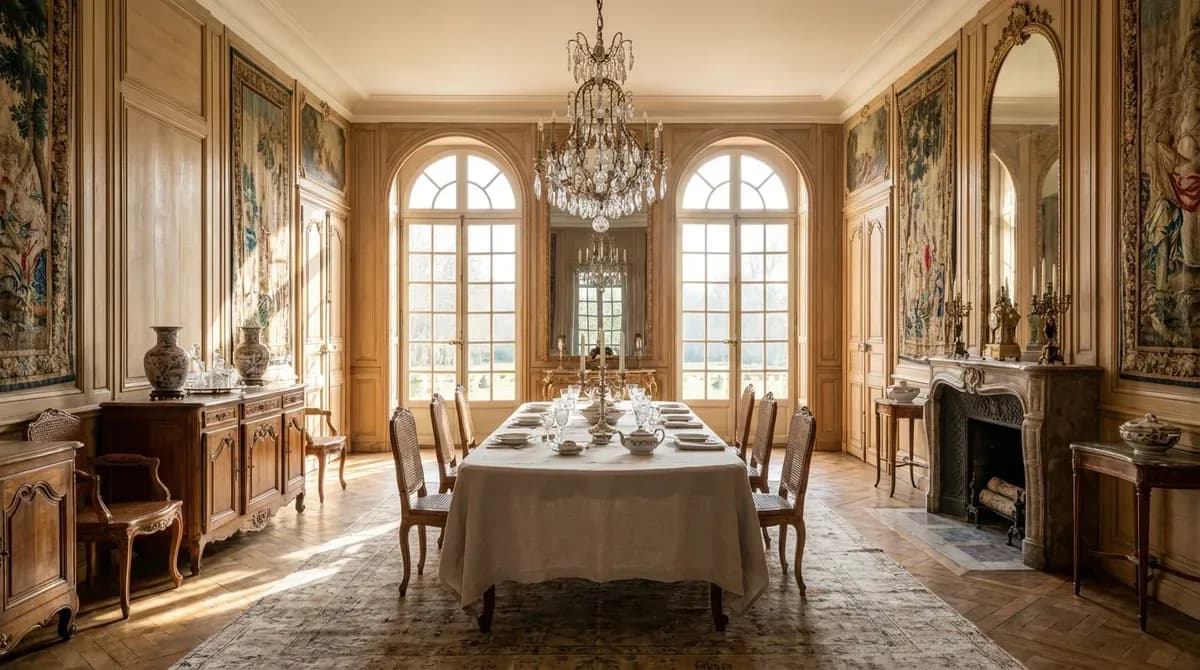
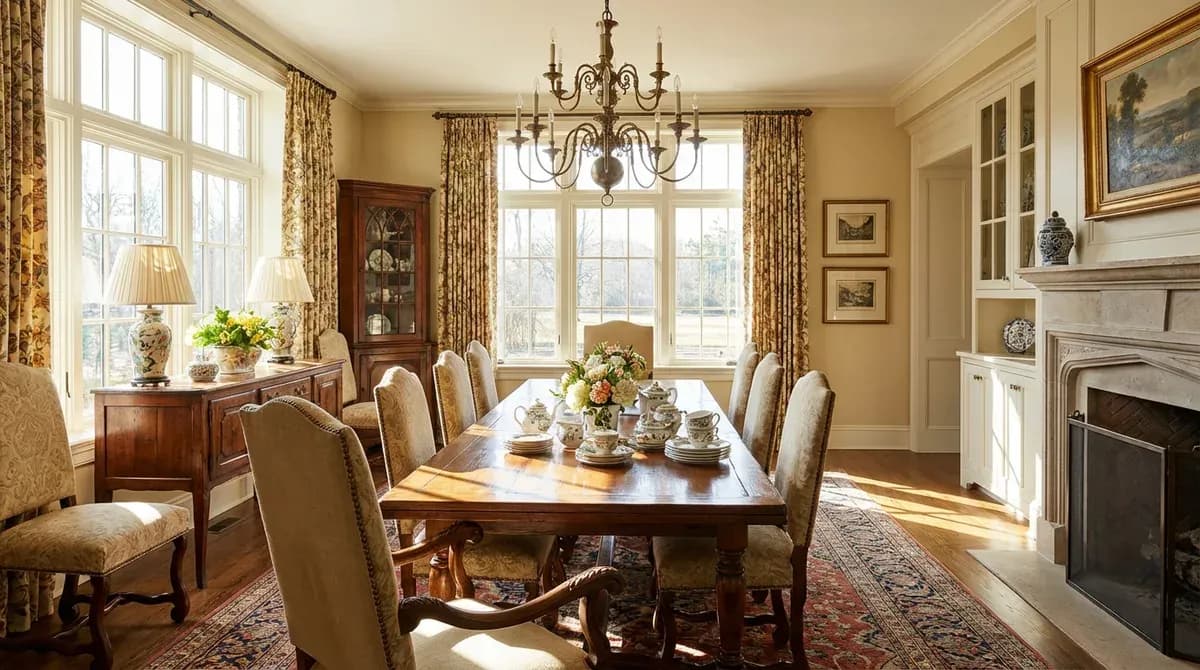
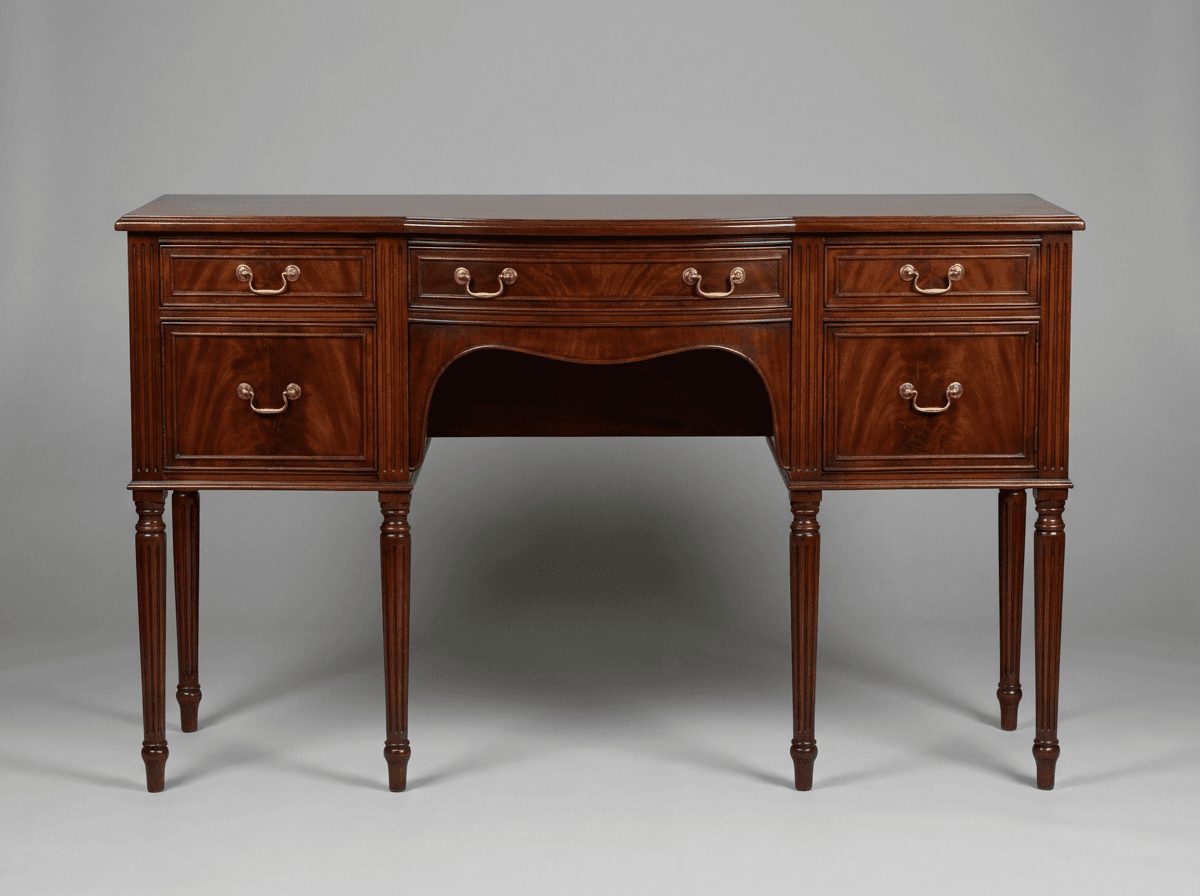
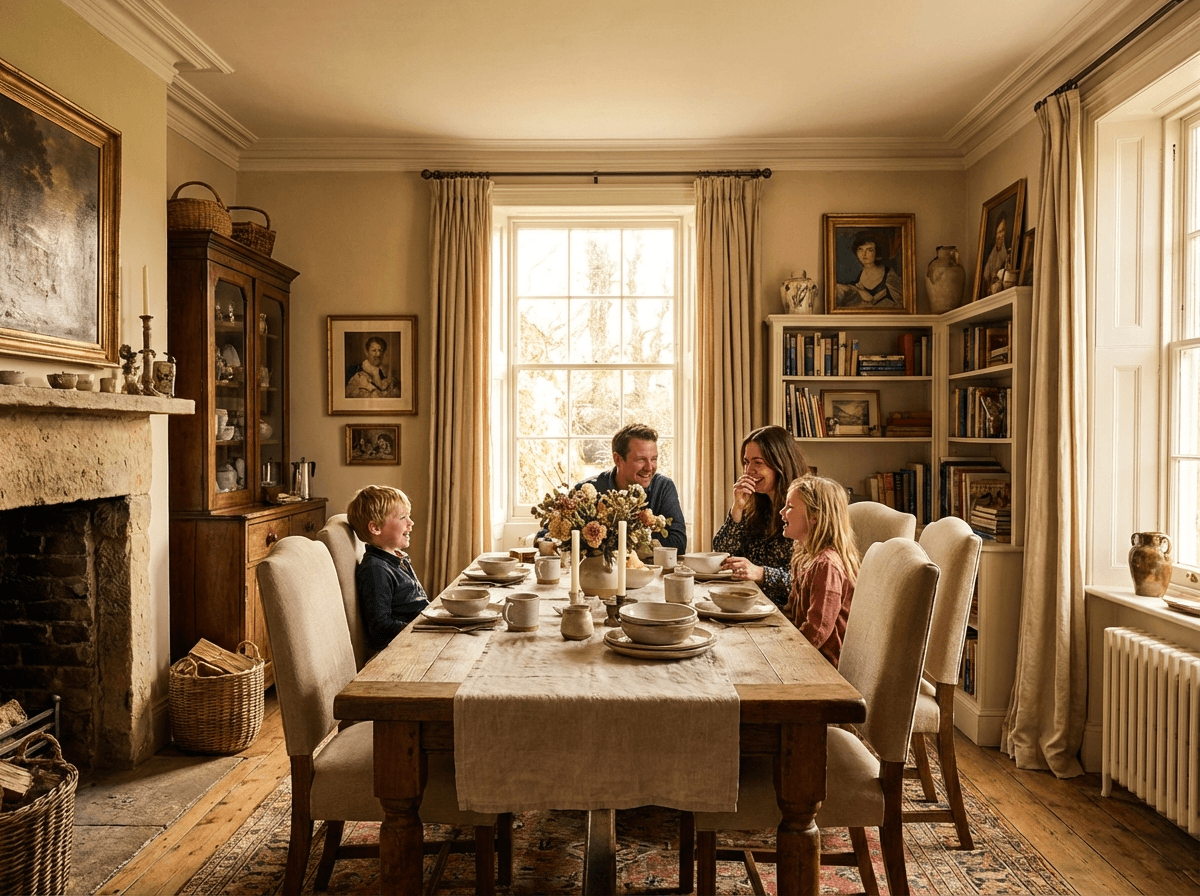
La sala da pranzo classica è uno dei pochi ambienti domestici concepiti esplicitamente per la cerimonia. Esiste per il pasto condiviso — la domenica in famiglia, il pranzo delle feste, la serata con gli amici di sempre — e ogni elemento della stanza è al servizio di questo scopo. Il tavolo campeggia al centro, generoso nelle dimensioni; l'illuminazione è calda e raccolta; il mobilio circostante — credenza, vetrina per le porcellane — è pensato per sostenere il rito del mangiare insieme. In un'epoca di pasti consumati al bancone della cucina o davanti alla televisione, la sala da pranzo classica rivendica il valore del rallentare.
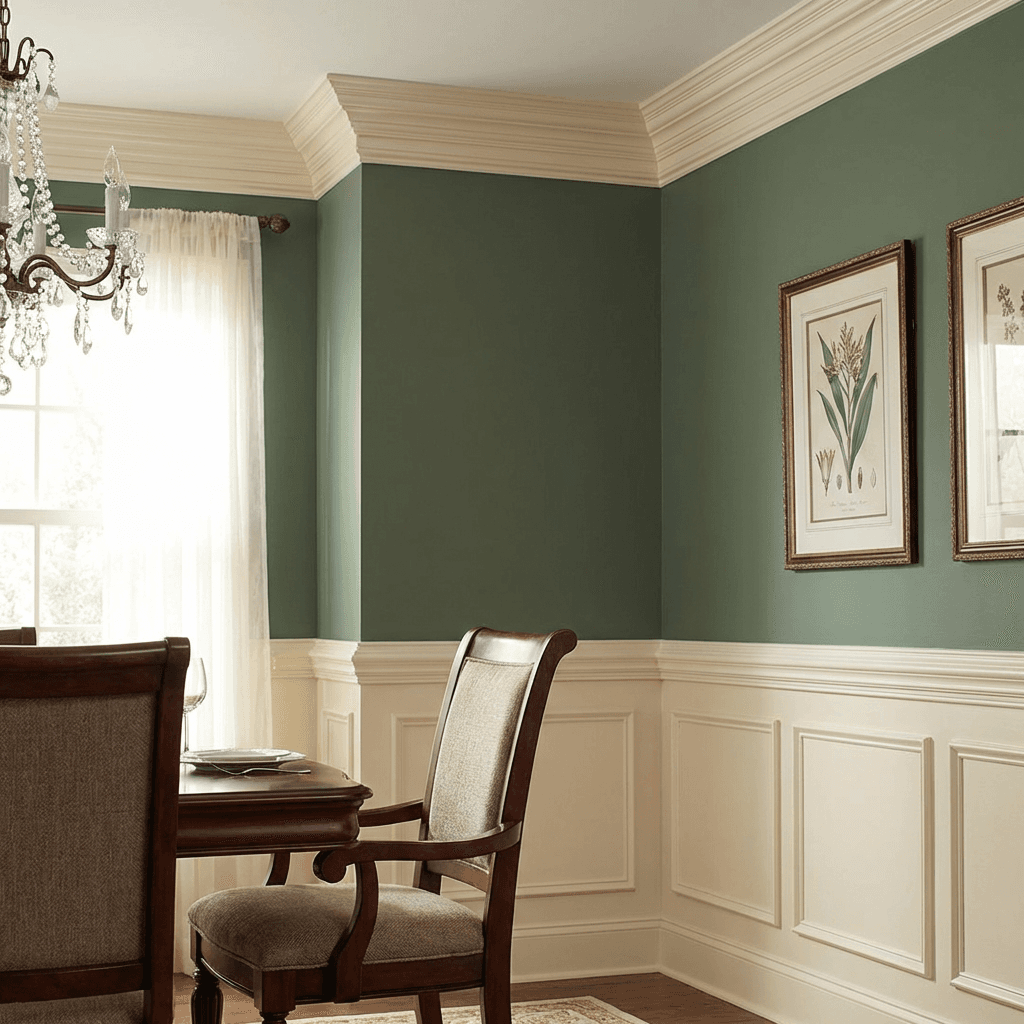
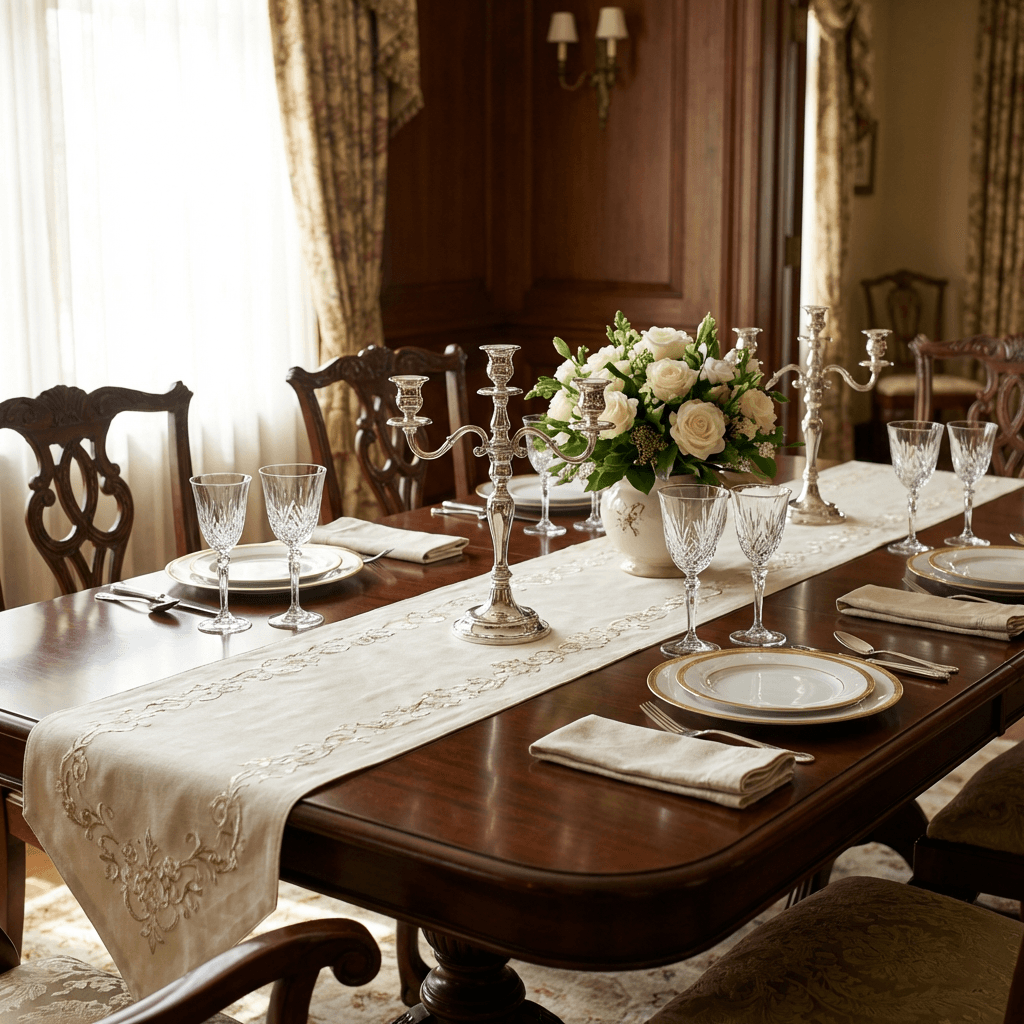
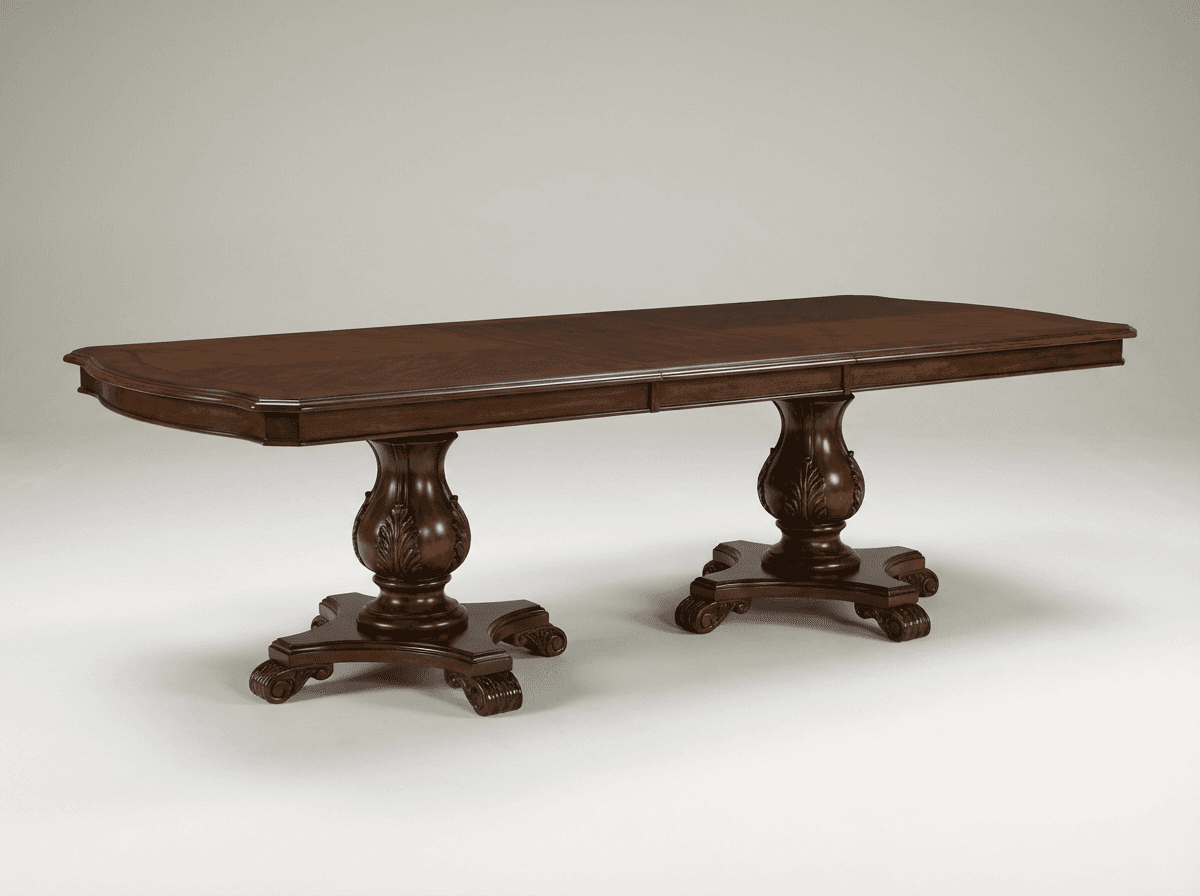
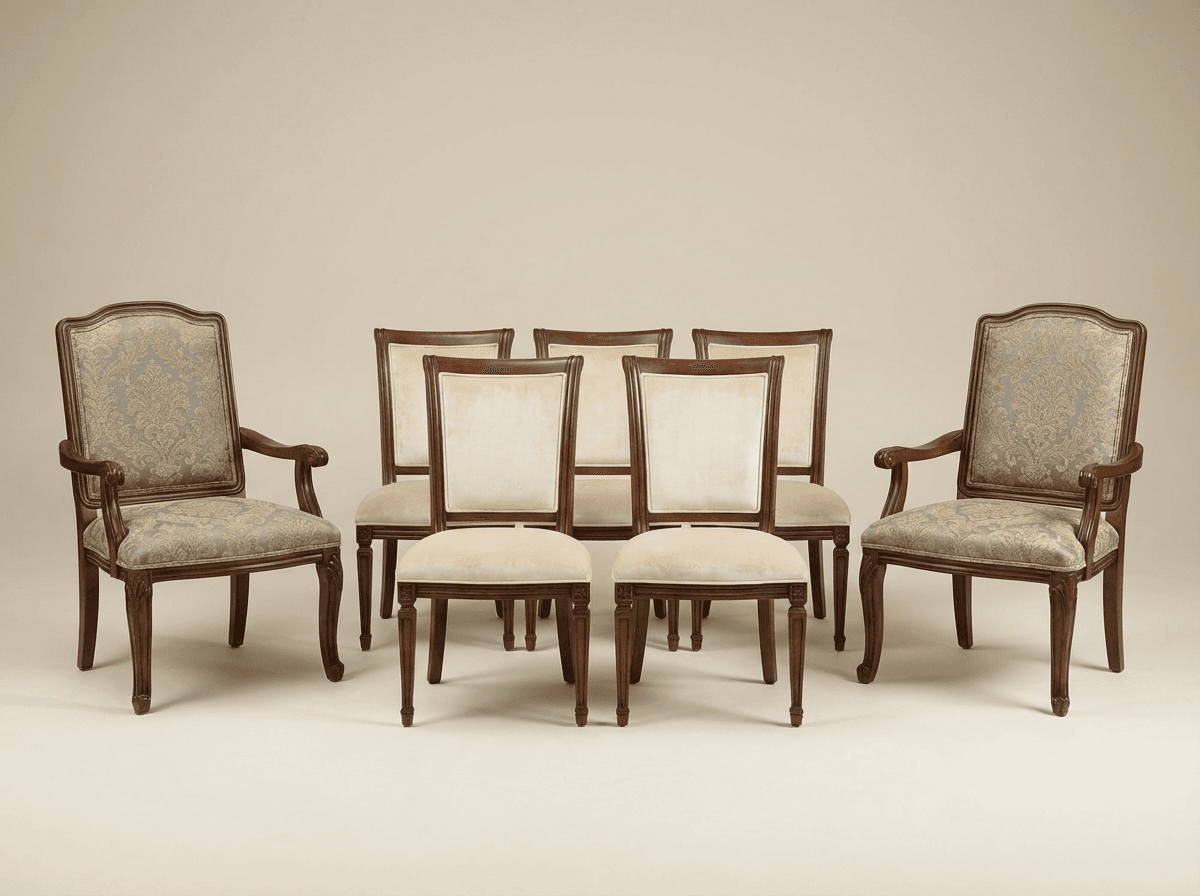
La palette è ricca e avvolgente. Pareti in blu navy, borgogna o verde intenso creano un senso di contenimento che di sera, sotto la luce delle candele e il bagliore del lampadario, diventa profondamente intimo. Cornicioni e boiserie in bianco o avorio spezzano il colore profondo e aggiungono quei dettagli architettonici stratificati che comunicano formalità. Il tavolo in ciliegio scuro o mogano presidia il centro della stanza, circondato da sedie imbottite che invitano gli ospiti a restare seduti più a lungo.
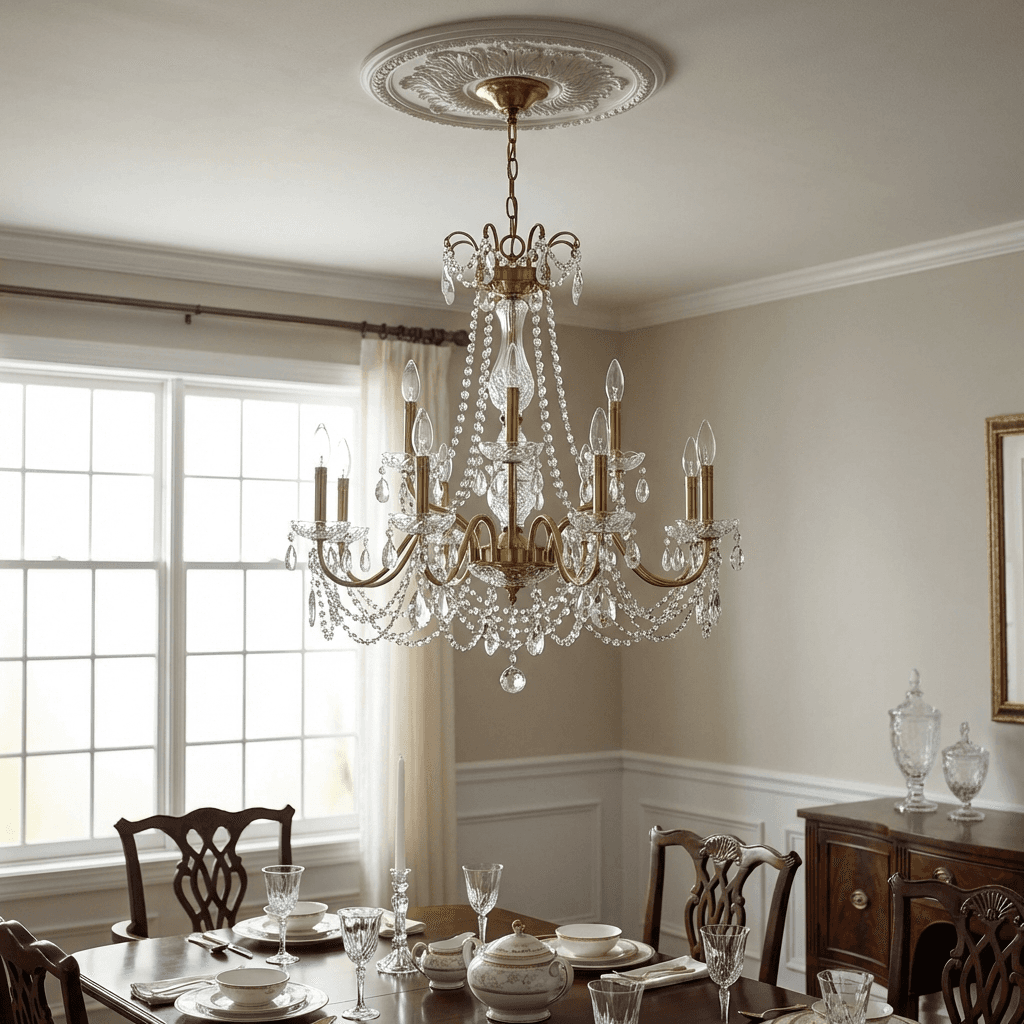
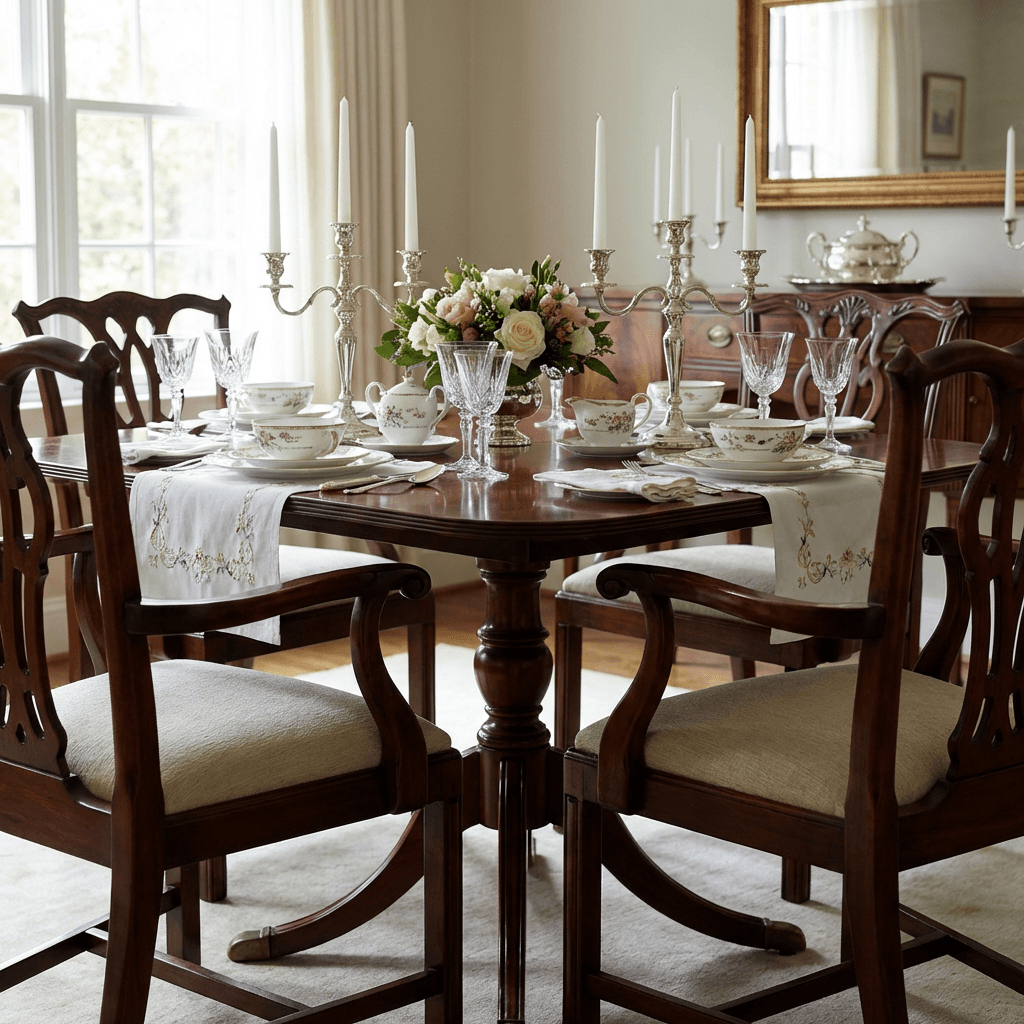
La simmetria è il principio ordinatore. Lampade abbinate sulla credenza, applique a coppia ai lati di uno specchio, sedie identiche lungo i due lati del tavolo: questo equilibrio bilaterale genera un senso inconscio di ordine ed eleganza. Il tocco finale è sempre il lampadario: un apparecchio che attira lo sguardo verso l'alto, riflette la luce delle candele e trasforma anche una semplice cena infrasettimanale in qualcosa di più consapevole e prezioso.