Perché il Japandi È Diventato lo Stile d'Interni Che Definisce il Decennio
Il Japandi è emerso da una filosofia condivisa tra Giappone e Scandinavia: che il buon design è inseparabile dalla funzione e che la bellezza vive nella sobrietà. In un'era di sovrastimolazione visiva, le stanze Japandi sono come un respiro profondo — calme, ordinate e considerate con intenzione.
Secondo i report di tendenza di Pinterest, il Japandi è stato tra gli stili d'interni più cercati per tre anni consecutivi. Gli interior designer lo segnalano come l'estetica più richiesta dai clienti di tutte le fasce demografiche. Funziona in appartamenti, case familiari e spazi commerciali.
Gli Elementi Fondamentali dello Stile Japandi
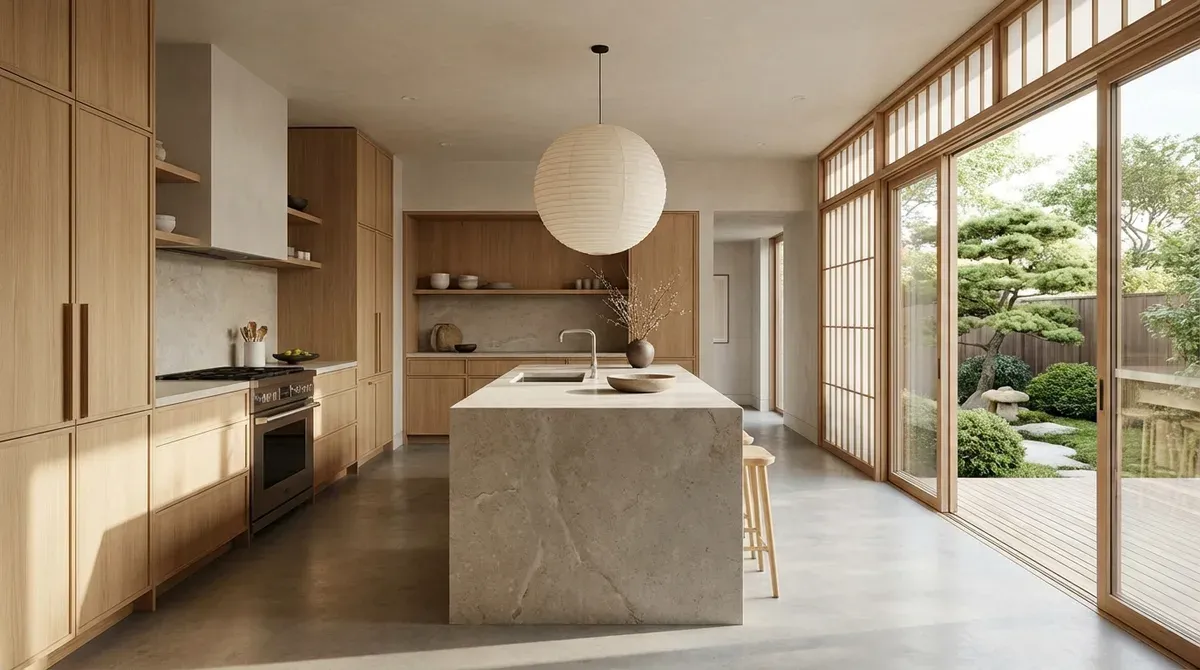
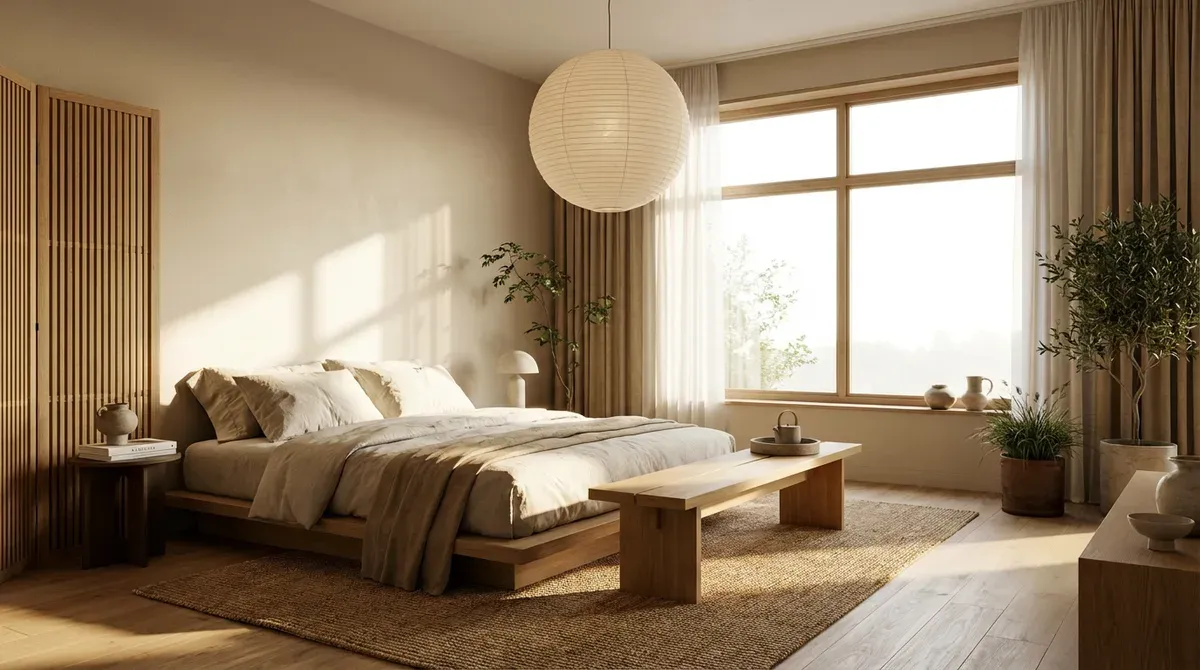
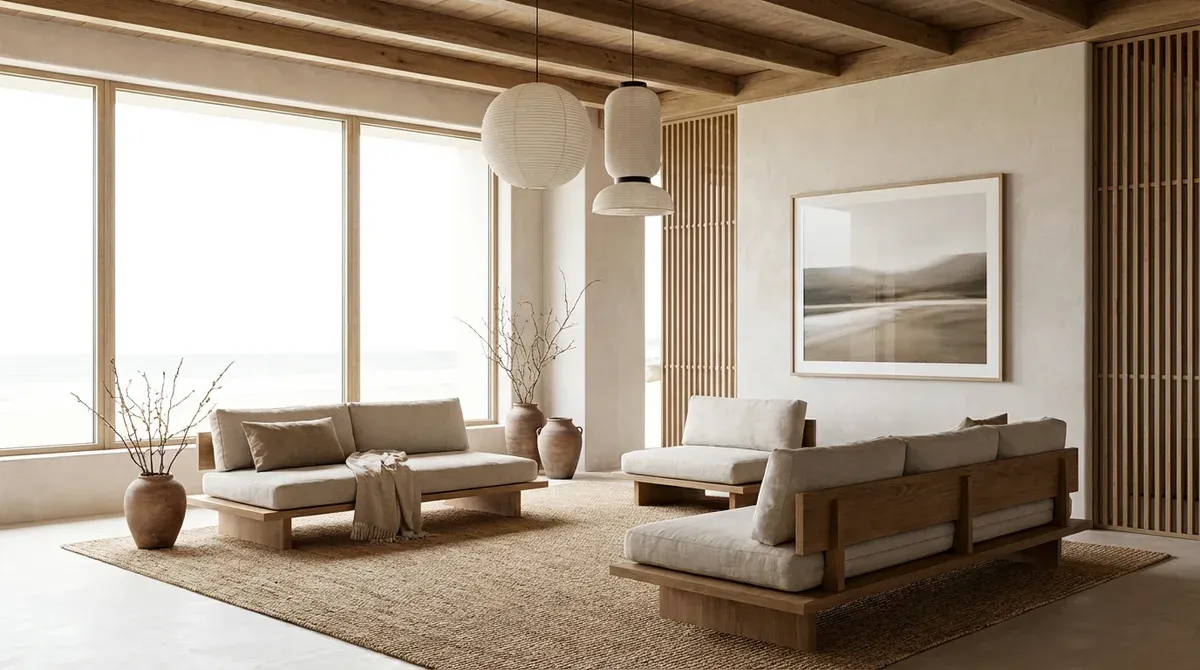
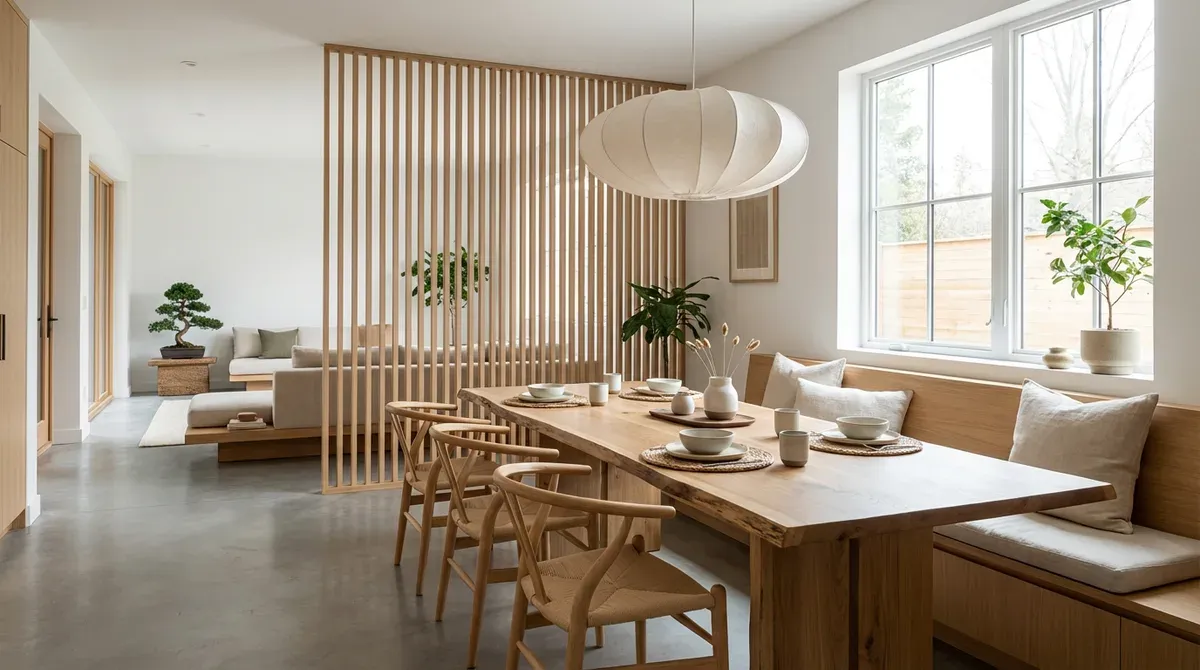
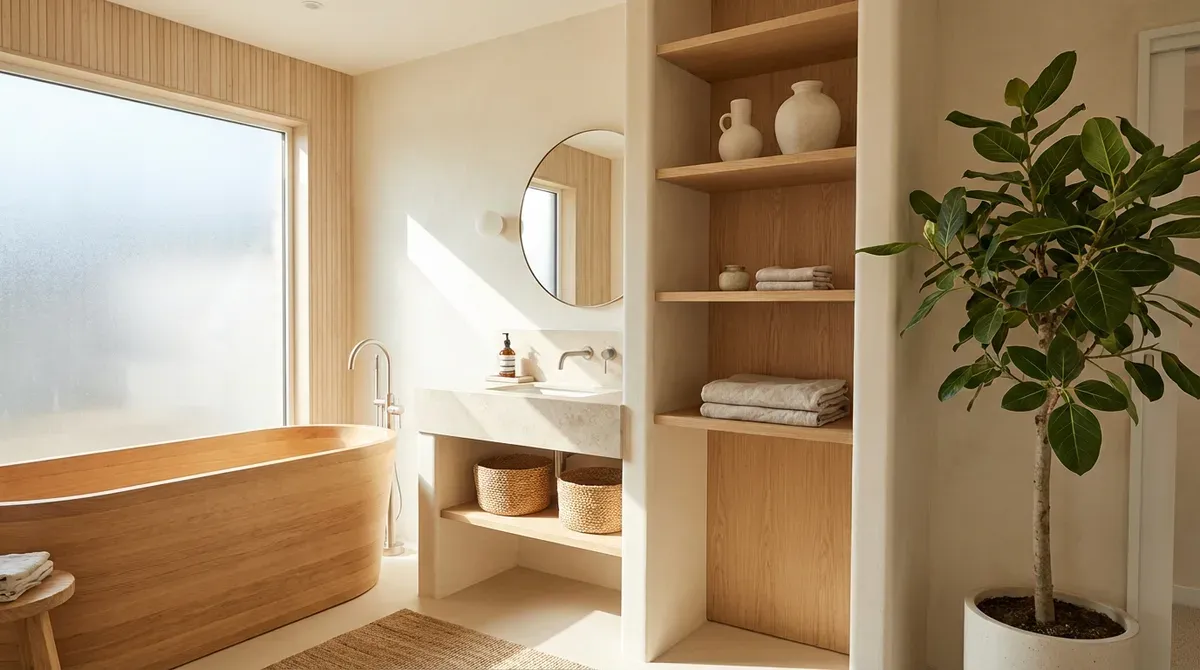
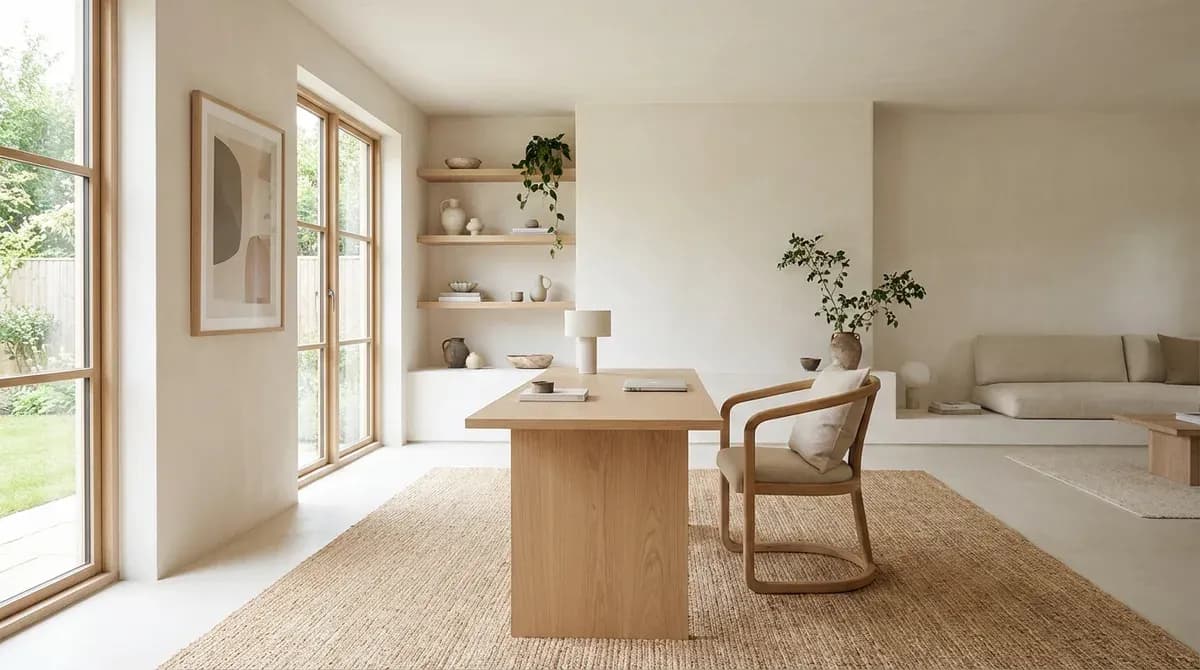
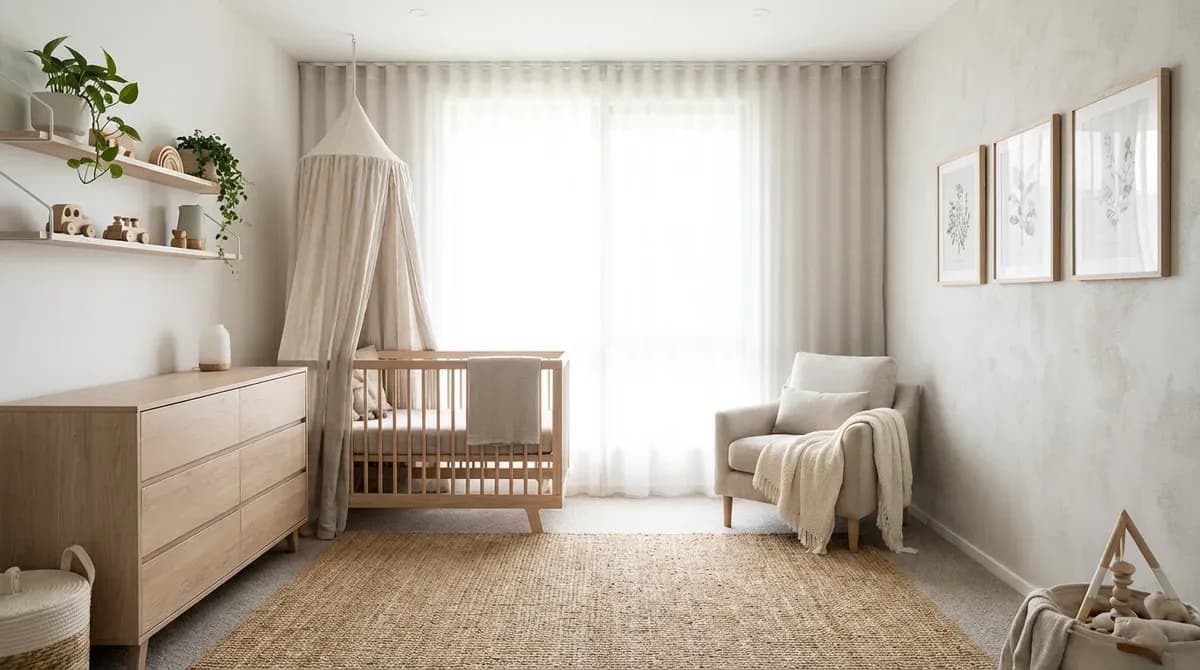
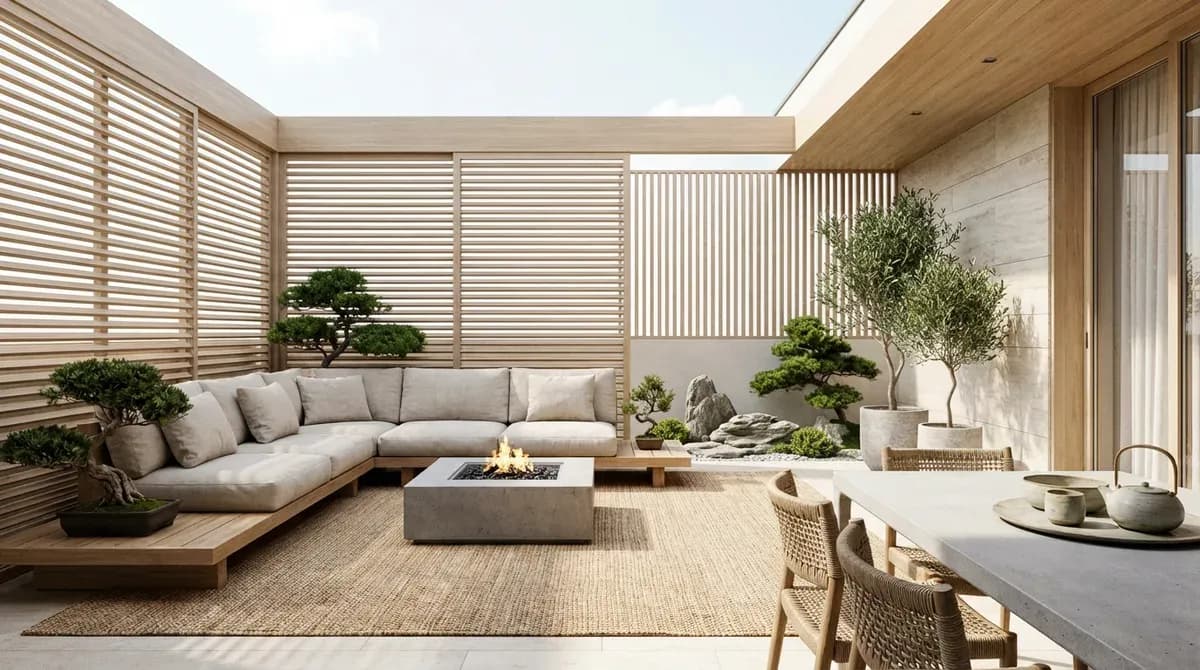
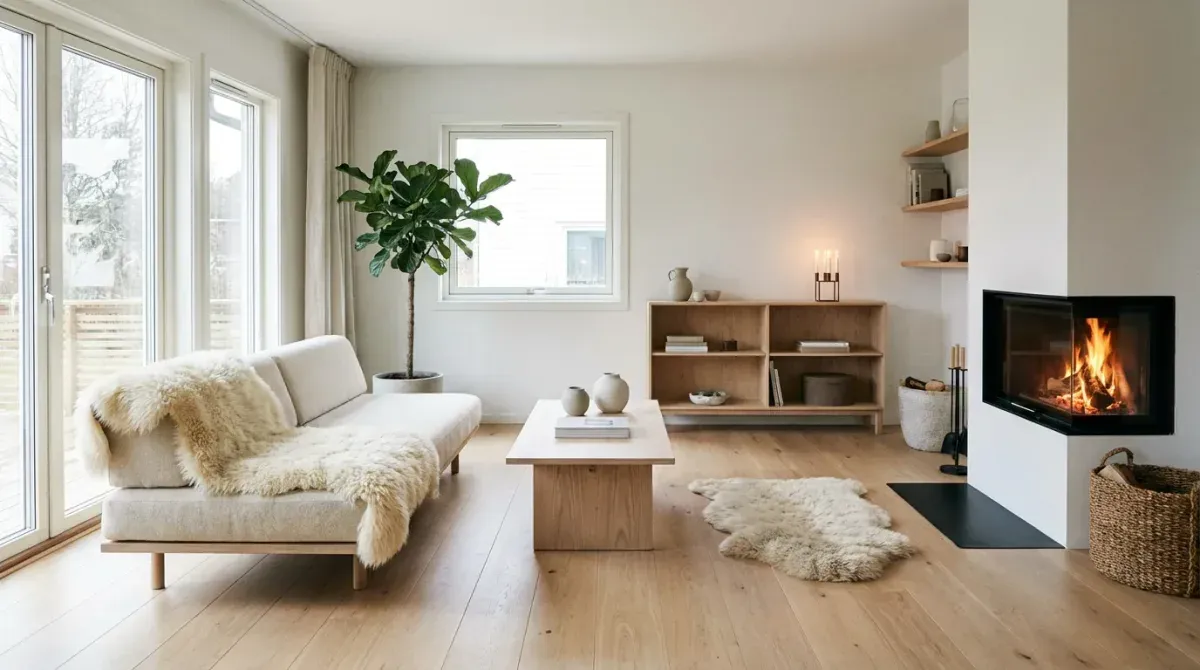
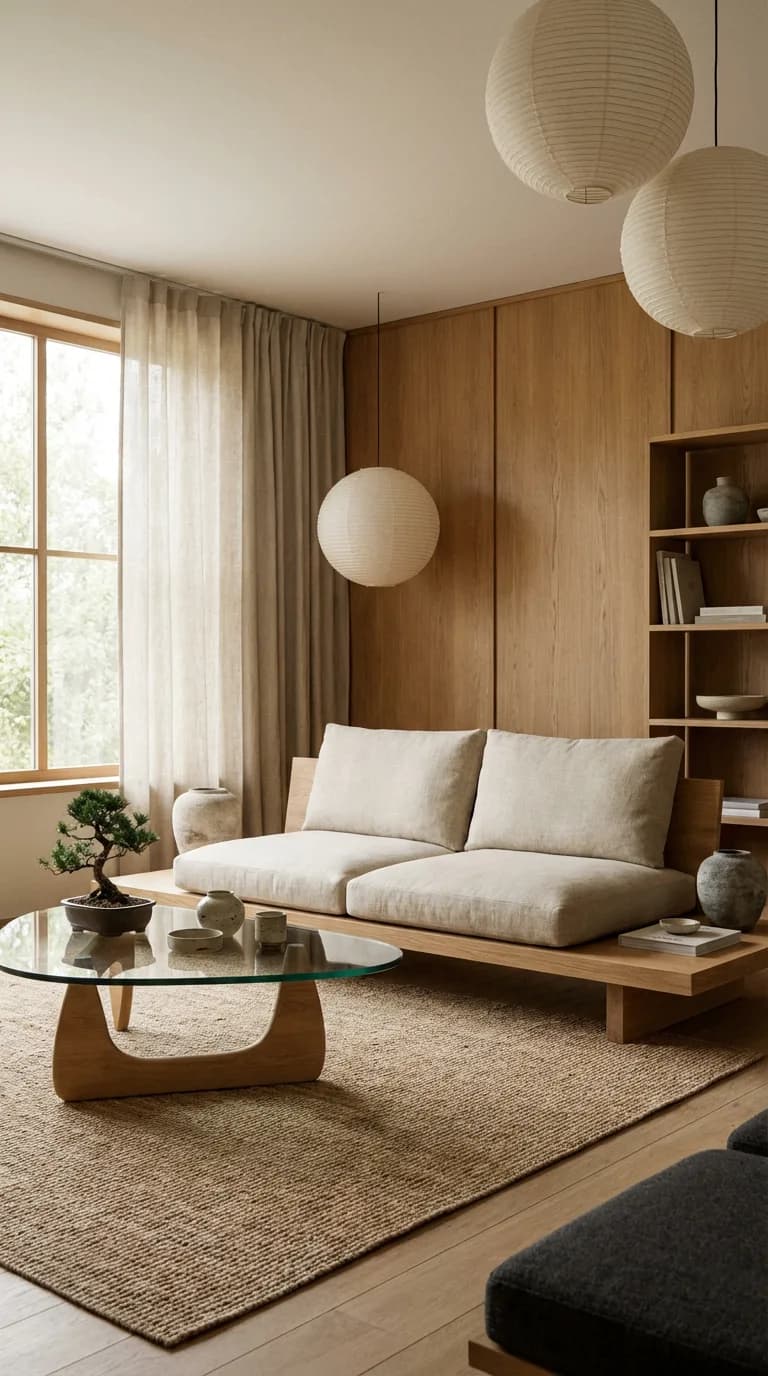
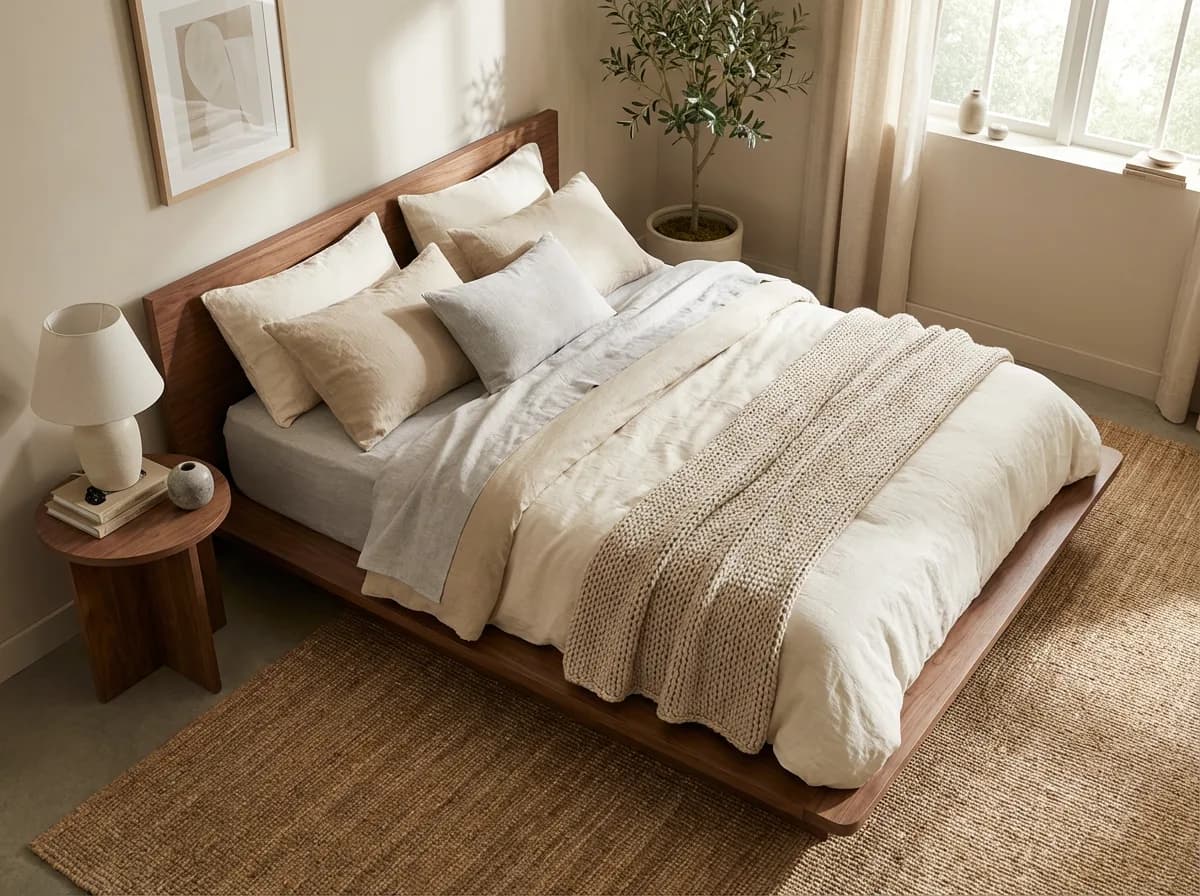
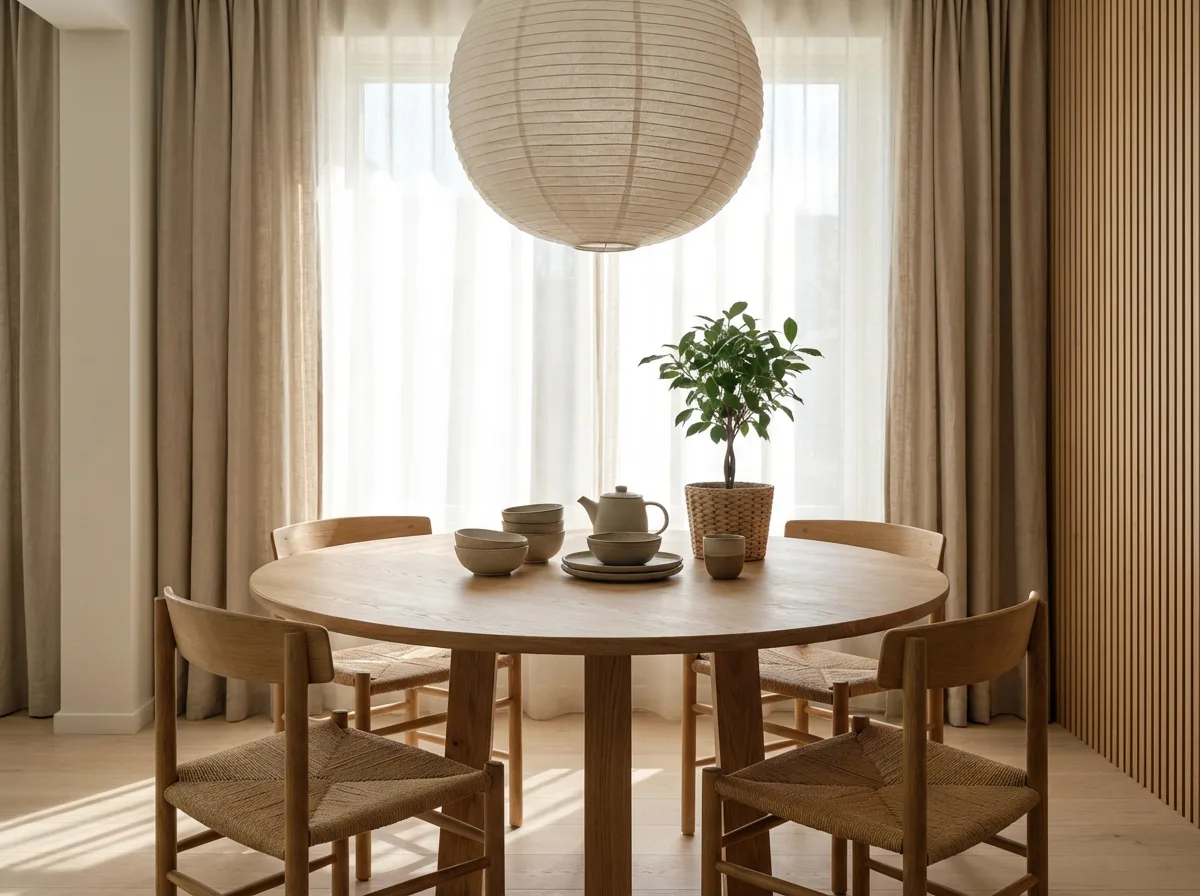
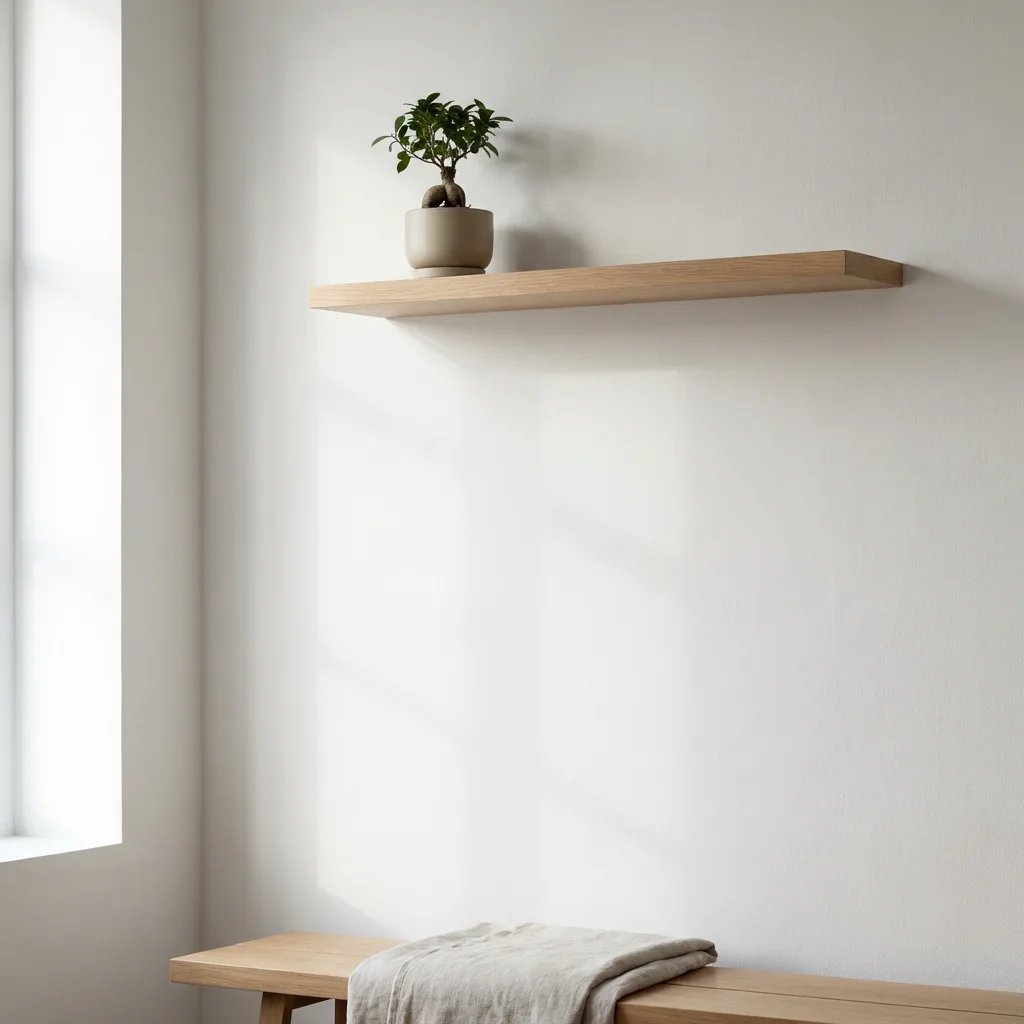
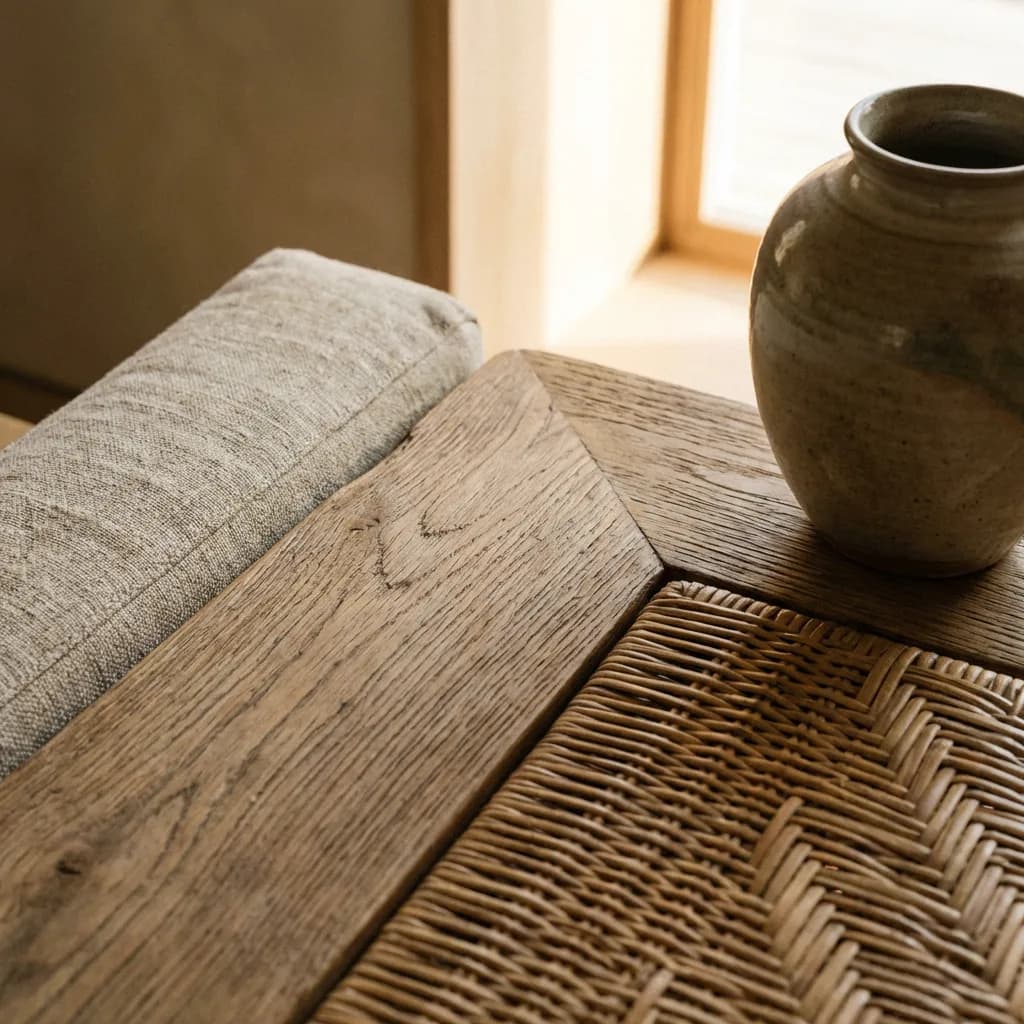
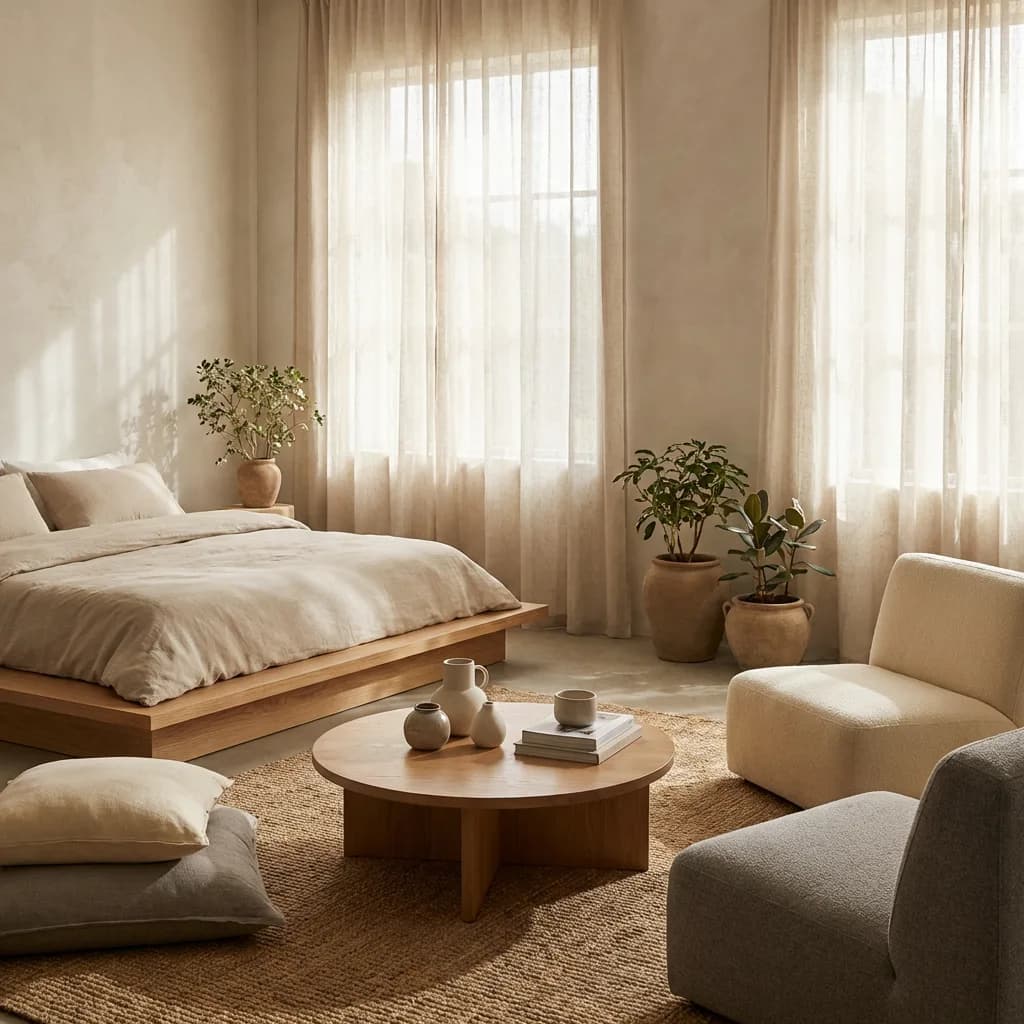
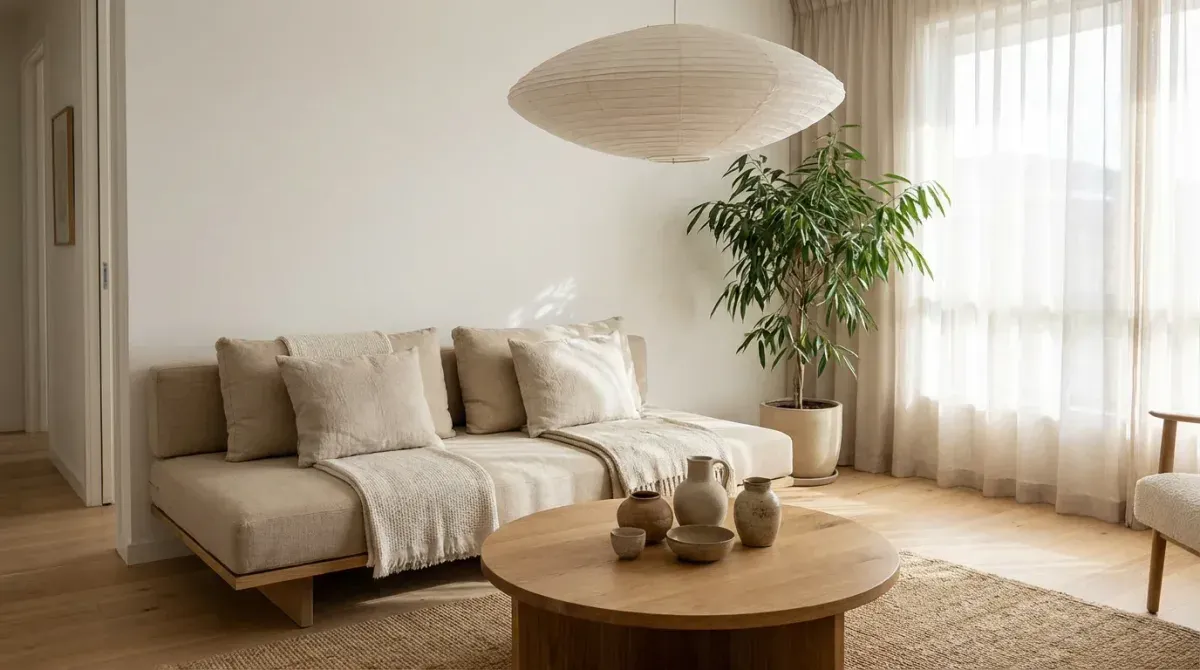
Gli interni Japandi autentici condividono un vocabolario coerente: palette neutre calde (bianco caldo, crema, sabbia, tortora, antracite), materiali naturali (rovere, noce, rattan, ceramica, lino), mobili dal profilo basso con linee pulite e spazio negativo deliberato. Il disordine viene eliminato non nascondendo le cose, ma possedendo meno oggetti di migliore qualità.
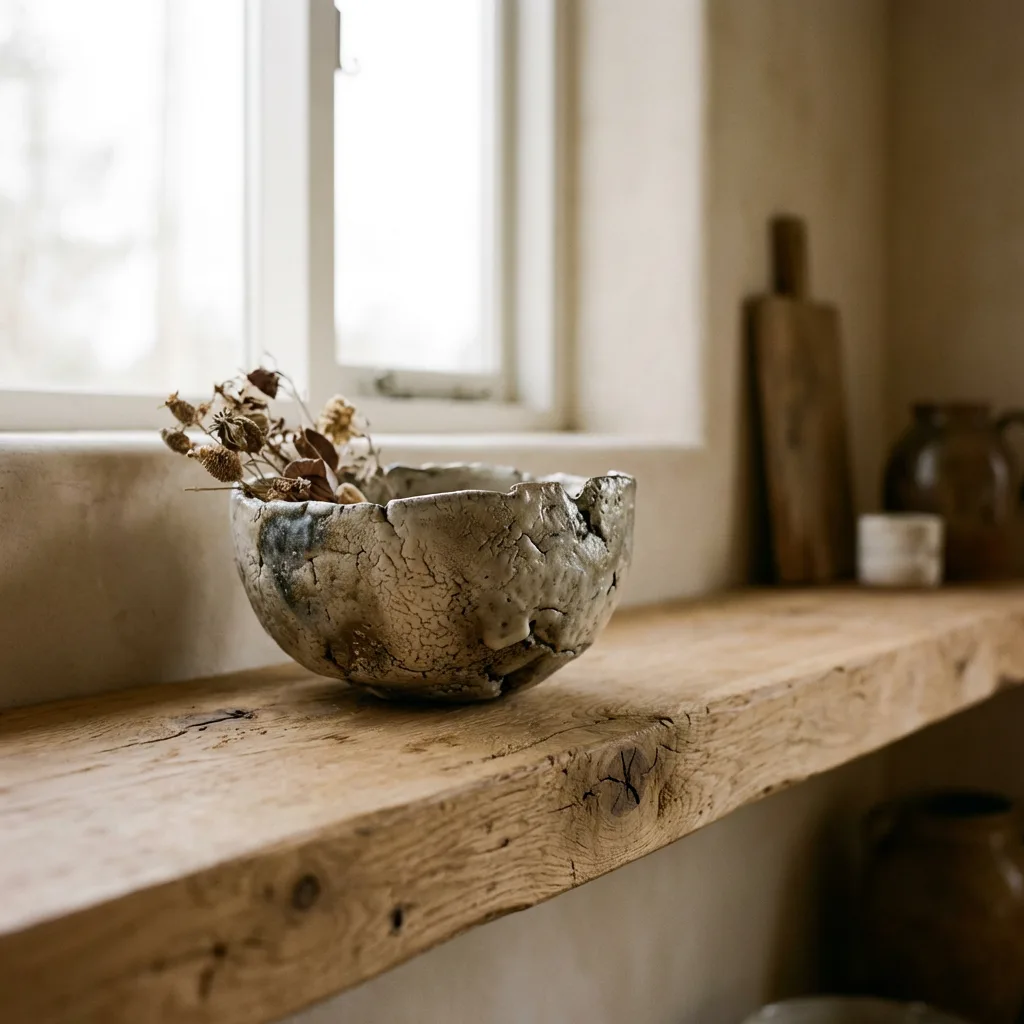
Il concetto giapponese di wabi-sabi — apprezzare la bellezza dell'imperfezione — aggiunge texture organica: un vaso in ceramica leggermente irregolare, un plaid in lino con pieghe naturali, un pavimento in legno che mostra le sue venature. Questo impedisce al Japandi di risultare sterile, come talvolta accade con il minimalismo puro.
Per Interior Designer
Il Japandi è uno degli stili più difficili da comunicare nei moodboard perché il suo fascino è tattile e atmosferico. I render AI delle stanze risolvono questo problema — i clienti possono vedere esattamente come una credenza in rovere tenue contrasta con una parete bianca calda, o come un lampadario in rattan intrecciato cambia il carattere di una stanza.
I render 3D tradizionali per stanze Japandi costano 200-500 € per stanza e richiedono 2-5 giorni. RoomLift genera alternative fotorealistiche in meno di 60 secondi a 1-5 € per immagine, permettendo ai designer di presentare molteplici varianti Japandi — diversi toni di legno, scelte tessili, disposizioni dei mobili — in un'unica sessione con il cliente.
Per Agenti Immobiliari e Sviluppatori
Lo staging Japandi è una scelta strategica per annunci rivolti a professionisti urbani e acquirenti attenti al design. Lo stile fotografa eccezionalmente bene: linee pulite, texture morbide e luce naturale si traducono perfettamente nelle foto degli annunci. A differenza degli stili di tendenza, il Japandi evita di alienare acquirenti che preferiscono estetiche classiche o moderne.
Gli immobili con foto allestite di alta qualità si vendono il 73% più velocemente secondo la National Association of Realtors. Lo staging Japandi AI offre questo vantaggio a circa 1/100 del costo dello staging fisico.
Per Proprietari che Pianificano una Ristrutturazione
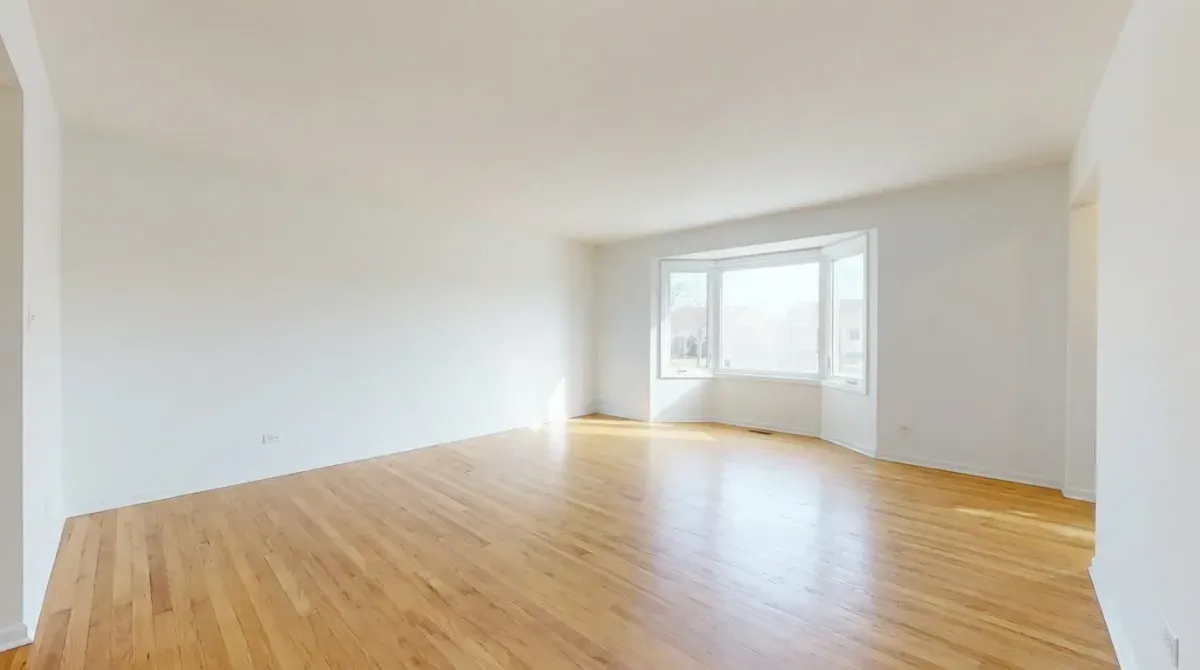
Prima di impegnarti in una ristrutturazione Japandi — nuova pavimentazione, acquisti di mobili, colori delle pareti — visualizza esattamente come lo stile apparirà nel tuo spazio reale. Prova toni di rovere caldo vs noce freddo. Confronta pareti bianco-lino vs greige caldo. Scopri se le proporzioni della tua stanza si adattano a mobili bassi o beneficerebbero di arredi più alti.