
Immobilienvideo-Statistiken: 30+ Zahlen für 2026
Aug 13, 2026 · 9 Min. Lesezeit
Immobilienvideo-Statistiken für 2026: Käuferverhalten, Anfragequoten, Social-Shares und Video-ROI-Daten von NAR, Inman, Wordstream, HubSpot und Wyzowl.
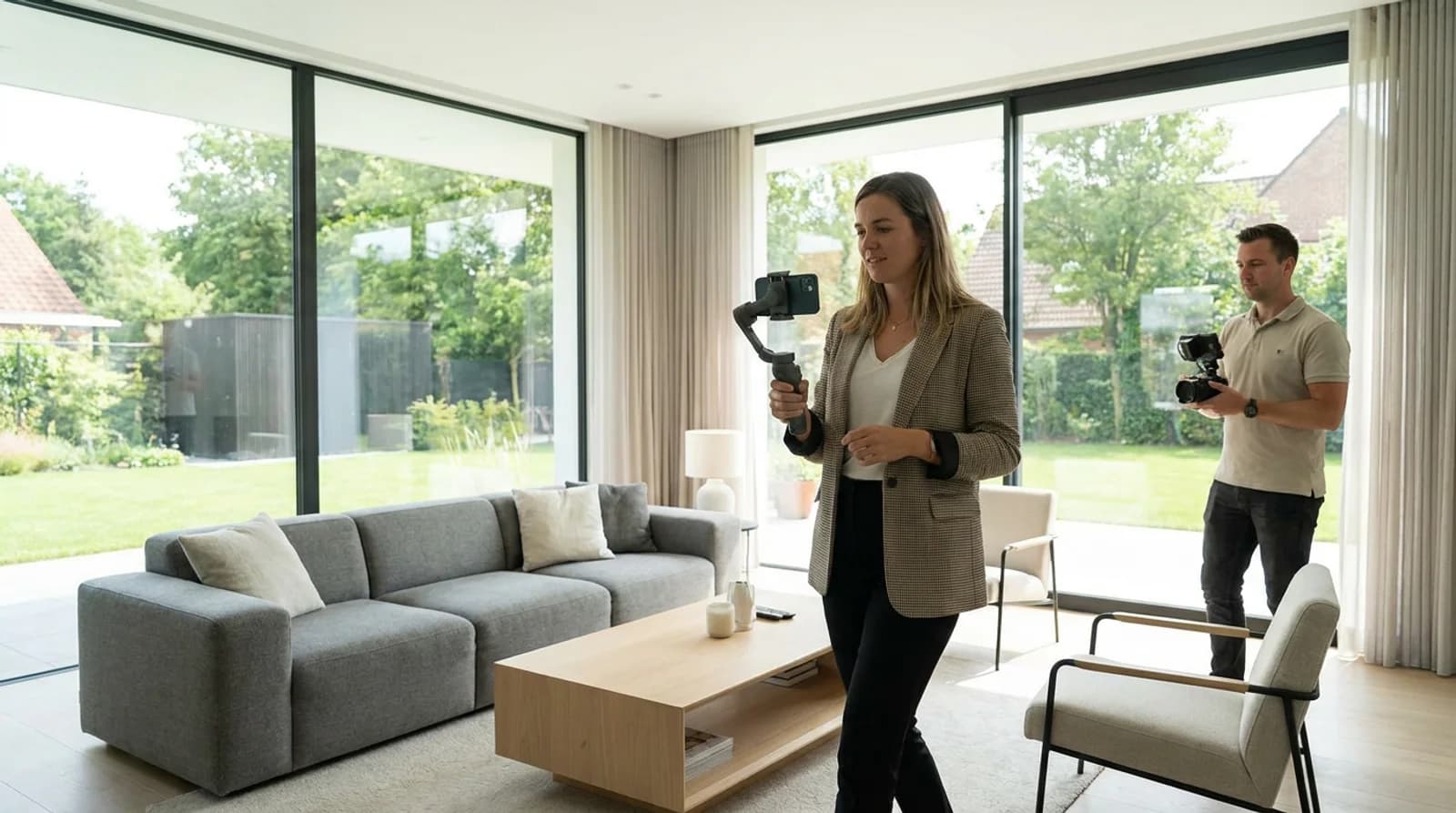
Immobilienvideo-Statistiken zeigen bei jeder Quelle, die sie misst, dasselbe Muster: Video schlägt reine Fotos. Inserate mit Video bekommen 403 % mehr Anfragen als reine Foto-Inserate (Inman), Videoinhalte werden 1.200 % häufiger geteilt als Text und Bilder zusammen (Wordstream), und 97 % der Käufer starten ihre Haussuche mittlerweile online (NAR) – dort ist Video oft das Erste, was sie sehen. Die folgenden Zahlen stehen hinter diesen Schlagzeilen, gegliedert nach Käuferverhalten, Inserats-Performance, Social Reichweite und ROI, jede mit Angabe der Quelle, die sie veröffentlicht hat.
Warum Immobilienvideo-Statistiken gerade jetzt zählen
Video ist in dem Moment zur Pflicht geworden, in dem die Suche ins Netz gewandert ist. Da 97 % der Käufer ihre Suche am Bildschirm beginnen, gehört die Videopräsenz eines Maklers – oder ihr Fehlen – zum ersten Eindruck eines Inserats, lange bevor überhaupt eine Besichtigung gebucht wird. Die folgenden Statistiken stammen aus benannten Studien (NAR, Inman, Wordstream, HubSpot und Wyzowl) statt aus Schätzungen, sodass Sie sie in einer Inseratspräsentation mit Sicherheit zitieren können.
Statistiken zum Käuferverhalten
Daten zum Käuferverhalten erklären, warum die Video-Statistiken Jahr für Jahr weiter steigen: Die Haussuche findet inzwischen fast vollständig online statt, und Video ist das Format, das die Aufmerksamkeit hält, sobald Käufer dort ankommen.
| Statistik zum Käuferverhalten | Wert | Quelle |
|---|---|---|
| Hauskäufer, die ihre Suche online starten | 97 % | National Association of Realtors (NAR) |
| Verbraucher, die nach einem Video zum Kauf überzeugt wurden | 89 % | Wyzowl |
| Menschen, die ein Erklärvideo angesehen haben, um mehr über ein Produkt oder eine Dienstleistung zu erfahren | 96 % | Wyzowl |
| Verbraucher, die mehr Videos von Marken sehen wollen, die sie bereits unterstützen | 54 % | HubSpot |
Die 97-%-Zahl von NAR ist das Fundament für alles Weitere auf dieser Liste: Wenn der erste Kontaktpunkt fast jedes Käufers ein Bildschirm ist, entscheidet das dort gezeigte Format – statisches Fotoraster gegen bewegtes Video – direkt darüber, wie lange jemand bei einem Inserat verweilt, bevor er weiterklickt. Die 89-%- und 96-%-Werte von Wyzowl stammen aus branchenübergreifender Verbraucherforschung, nicht speziell aus der Immobilienbranche, beschreiben aber denselben Käufer, der eben auch gerade ein Haus sucht – das Verhalten überträgt sich also.
Statistiken zur Inserats-Performance
Das ist der Abschnitt, der für einen aktiven Makler am meisten zählt: was mit den Zahlen eines Inserats tatsächlich passiert, sobald Video dazukommt.
| Statistik zur Inserats-Performance | Wert | Quelle |
|---|---|---|
| Mehr Anfragen bei Inseraten mit Video vs. reinen Fotos | +403 % | Inman |
| Mehr Shares für Video vs. Text und Bilder zusammen | +1.200 % | Wordstream |
| Eingerichtete Häuser, die schneller verkaufen als nicht eingerichtete Vergleichsobjekte | 73 % schneller | NAR |
| Verkaufspreis-Aufschlag bei eingerichteten vs. nicht eingerichteten Häusern | 1–5 % mehr | Real Estate Staging Association (RESA) |
| Käufer, die sagen, visuelle Inhalte machten es leichter, sich ein Haus als eigenes vorzustellen | 81 % | NAR |
Die 403-%-Anfragensteigerung von Inman ist die meistzitierte Zahl in dieser ganzen Übersicht, und das zu Recht: Sie misst genau die Kennzahl, die Maklern wirklich wichtig ist – ein Käufer, der zum Hörer greift, nicht nur ein Aufruf. Die staging-nahen Werte von NAR und RESA sind für sich genommen keine Video-Statistiken, dokumentieren aber denselben Mechanismus: Visuelle Inhalte, die einem Käufer helfen, sich selbst in einem Raum vorzustellen, konvertieren besser als solche, die das nicht tun – egal ob es sich um ein eingerichtetes Foto oder eine bewegte Aufnahme handelt. Eine tiefere Aufschlüsselung dieses Mechanismus finden Sie in unserem Beitrag darüber, ob eingerichtete Häuser wirklich schneller verkaufen.
Statistiken zu Social Media und Short-Form-Video
Die meiste Video-Reichweite eines Maklers steckt heute in Short-Form-Content, und die Statistiken spiegeln vor allem eine plattformgetriebene Verschiebung wider, keine branchenspezifische.
- 1.200 % mehr Shares. Laut Wordstream-Analyse wird Videoinhalt mehr als 12-mal so oft geteilt wie Text- und Bildposts zusammen – der Mechanismus, durch den ein einzelner Inserats-Walkthrough weit über die eigenen Follower hinaus reicht.
- 54 % wollen mehr Video von Marken, denen sie bereits folgen. HubSpots Forschung zu Content-Präferenzen zeigt, dass mehr als die Hälfte der Verbraucher aktiv mehr Video will, nicht weniger, von Accounts, denen sie bewusst folgen – zu häufiges Posten ist also selten das Risiko, das Makler befürchten.
- 91 % der Unternehmen setzen Video als Marketinginstrument ein. Wyzowls State-of-Video-Marketing-Umfrage beziffert die Video-Nutzung branchenübergreifend auf 91 % – ein Makler ohne Videopräsenz ist damit die Ausnahme, nicht die Regel.
Bei Immobilieninhalten zahlt sich besonders aus, jedes Inserat als mehrere einzelne Clips statt als einen langen Walkthrough zu behandeln. Unser Leitfaden zu Social-Media-Post-Ideen für Immobilienmakler stellt Formate jenseits des Walkthroughs vor, die einen Feed zwischen Inseraten aktiv halten.
Verwandeln Sie die Fotos Ihres nächsten Inserats mit RoomLifts Compose in Minuten in eine Videotour für MLS und Social Media.
Stage your first room in 20 seconds. No design skills needed.
Statistiken zum ROI von Video-Marketing
Diese Zahlen stammen aus branchenübergreifender Forschung statt aus immobilienspezifischen Studien, erklären aber, warum sich der Return von Video im Umsatz eines Maklers zeigt, auch wenn er nicht als eigener Posten abgerechnet wird.
| ROI-Statistik | Wert | Quelle |
|---|---|---|
| Unternehmen, die Video als Marketinginstrument einsetzen | 91 % | Wyzowl |
| Video-Vermarkter, die sagen, Video steigere den Umsatz direkt | 87 % | Wyzowl |
| Verbraucher, die nach einem Video zum Kauf überzeugt wurden | 89 % | Wyzowl |
| Mehr Anfragen pro Inserat mit Video | +403 % | Inman |
Das Muster fällt auf: Keine dieser Zahlen beschreibt Video als nettes Extra. Wyzowls 87-%-Wert unter Vermarktern bezieht sich auf den direkten Umsatzeffekt, nicht auf Markenbekanntheit, und Inmans 403 % werden in tatsächlichen Käuferanfragen gemessen – der Kennzahl, aus der Besichtigungen und Angebote werden. Unser Leitfaden zu AI-Tools für Immobilienmakler beleuchtet die konkreten Tools hinter dieser Inman-Zahl, einschließlich der Frage, wo AI-generiertes Video neben einem echten Walkthrough-Dreh seinen Platz hat.
Formate und Spezifikationen für Immobilienvideos 2026
Statistiken bringen nichts, wenn das Video am Ende nicht im Format vorliegt, das die jeweilige Plattform akzeptiert. So sehen die Spezifikationen für die Kanäle aus, auf denen Makler am häufigsten posten.
| Plattform | Seitenverhältnis | Ideale Länge |
|---|---|---|
| MLS / Inseratsseite | 16:9 | 60–120 Sek. |
| YouTube | 16:9 | 60–180 Sek. |
| Instagram Reels / TikTok | 9:16 | 15–30 Sek. |
| Instagram Feed / Facebook | 1:1 oder 4:5 | 15–30 Sek. |
Ein Dreh, der von Anfang an alle vier Formate mitdenkt, liefert aus demselben Ausgangsmaterial eine MLS-taugliche Tour, ein YouTube-Upload und mehrere vertikale Cutdowns – statt für jede Plattform separat zu drehen.
Was diese Zahlen für Ihr nächstes Inserat bedeuten
Zusammengenommen sagen die Daten drei Dinge klar. Erstens: Video ist kein Premium-Extra mehr – laut Wyzowl behandeln 91 % der Unternehmen es bereits als Standard-Marketing, ein Inserat ohne Video liegt damit hinter dem Markt statt davor. Zweitens: Der Return zeigt sich in genau der Kennzahl, die Maklern am wichtigsten ist – Anfragen –, wo Video laut Inman 403 % mehr bringt als reine Fotos. Drittens: Das Format zählt fast genauso wie die Tatsache, überhaupt Video zu haben, denn vertikale 9:16-Cuts und horizontale 16:9-MLS-Touren erreichen aus demselben Material völlig unterschiedliche Zielgruppen.
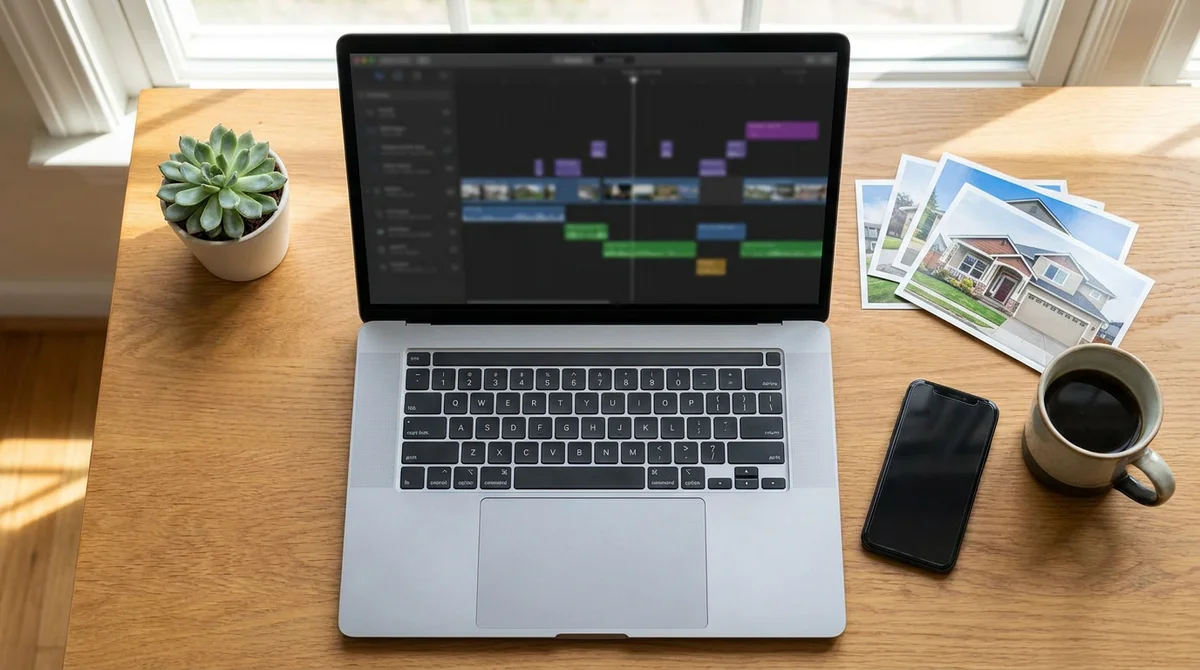
Woran die meisten Makler wirklich scheitern, ist nicht der Wille, sondern die Produktion. Ein dedizierter Videograf kostet 300 € bis 500 € pro Inserat zusätzlich zur Fotografie, und die Lieferzeit kann fast eine ganze Woche dauern. RoomLifts Compose schließt genau diese Lücke: Es verwandelt Inseratsfotos, die Sie bereits haben, in eine fertige Videotour – mit Timeline-Editor, Presets für Objekttouren und Vorher-Nachher-Reveals, AI-Kamerabewegung, die Standfotos in weiche, bewegte Aufnahmen verwandelt (inklusive generierter Nahaufnahmen aus einem einzelnen Bild), sowie AI-Voiceover mit passender Hintergrundmusik. Sie können außerdem Fotos und Objektdetails direkt aus einer Inserats-URL importieren, statt alles per Hand hochzuladen, und aus einem Projekt heraus in 16:9, 9:16, 1:1 und 4:5 exportieren. Einen echten Walkthrough-Dreh ersetzt das nicht, wenn ein Objekt ihn verlangt, aber für die große Mehrheit der Immobilien macht es aus den Zahlen oben in Minuten statt Tagen ein tatsächliches Video – zu einem Bruchteil dessen, was ein Videograf für 300 € bis 500 € verlangt. Wenn Sie abwägen, wo Video neben Ihren anderen Zusatzleistungen steht, schlüsselt unser Leitfaden zu den Preisen für Immobilienfotografie die margenstärksten Services daneben auf. Für die Bearbeitung der zugrunde liegenden Fotos selbst übernimmt RoomLifts Immobilien-Fotobearbeitung Staging, Twilight-Umwandlung und Cleanup im selben Workflow.
Häufig gestellte Fragen
Bekommen Immobilieninserate mit Video mehr Anfragen?
Ja. Inserate mit Video erhalten laut Inman 403 % mehr Anfragen als Inserate mit reinen Fotos. Video wird laut Wordstream außerdem 1.200 % häufiger geteilt als Text und Bilder zusammen, was die Anfragenzahl zusätzlich erhöht, sobald ein Inserat weiterverbreitet wird.
Wie viel Prozent der Hauskäufer starten ihre Suche online?
97 % der Hauskäufer starten ihre Suche laut National Association of Realtors online, und Video gehört mittlerweile zu den ersten Formaten, die ihnen begegnen, bevor sie überhaupt einen Makler anrufen. Damit entscheidet sich in den ersten Sekunden, ob das Video eines Inserats überzeugt – oder eben fehlt.
Bringt Video-Marketing für Makler tatsächlich einen Return?
Ja. Branchenübergreifend setzen laut Wyzowls State-of-Video-Marketing-Studie inzwischen 91 % der Unternehmen Video als Marketinginstrument ein, und 87 % der Video-Vermarkter sagen, es steigere den Umsatz direkt. Bei Immobilien zeigt sich dieser Return in mehr Anfragen pro Inserat statt als eigener Posten in der Kalkulation.
Was kostet ein Immobilienvideograf?
Ein dedizierter Immobilienvideograf verlangt üblicherweise 300 € bis 500 € pro Inserat allein für das Video, zusätzlich zum Fotohonorar. AI-Tools wie RoomLifts Compose verwandeln vorhandene Inseratsfotos für einen Bruchteil dieser Kosten in eine fertige Videotour, ohne einen zweiten Dienstleistertermin.
Welche Länge und welches Format sollte ein Immobilienvideo haben?
Für MLS und Inseratsseiten funktionieren 60 bis 120 Sekunden im horizontalen 16:9-Format am besten, während Social-Cuts für Reels, TikTok und Stories 15 bis 30 Sekunden im vertikalen 9:16-Format laufen. Quadratische (1:1) und Hochformat-Zuschnitte (4:5) decken Instagram-Feed-Posts ab – ein einziges Shooting sollte idealerweise alle vier Formate liefern.
Reagieren Käufer wirklich stärker auf Video als auf reine Fotos?
Ja. Video erzielt laut Wordstream 1.200 % mehr Shares als Text und Bilder zusammen, und Inserate mit Video bekommen laut Inman 403 % mehr Anfragen. Unabhängig davon sagen laut Wyzowl 89 % der Verbraucher, ein Video habe sie zum Kauf eines Produkts oder einer Dienstleistung überzeugt – ein Muster, das auch bei der größten Anschaffung im Leben der meisten Menschen greift.
Bereit, Ihre Anzeigen zu transformieren?
Richten Sie Ihren ersten Raum ein in 20 Sekunden. Keine Designkenntnisse nötig.