Verkaufen sich eingerichtete Häuser schneller? (Home-Staging-Statistiken 2026)
Jun 26, 2026 · 8 Min. Lesezeit
Verkaufen sich eingerichtete Häuser schneller? Ja. Die NAR bestätigt es, und eingerichtete Objekte erzielen im Schnitt 1-5 % mehr. Die Home-Staging-Statistiken, auf die es 2026 ankommt.
Verkaufen sich eingerichtete Häuser schneller? Ja. Die National Association of Realtors berichtet, dass sich eingerichtete Häuser schneller verkaufen als vergleichbare leere Objekte, und die Real Estate Staging Association nennt im Schnitt 1-5 % mehr beim Verkaufspreis. Der Grund ist einfach: 81 % der Käufer sagen, dass eine Einrichtung es ihnen leichter macht, sich eine Immobilie als die eigene vorzustellen. Hier finden Sie eine Übersicht 2026 der Home-Staging-Statistiken, auf die es ankommt, was sie für Ihre Inserate bedeuten und wie Sie jede Immobilie zum Preis eines Kaffees einrichten.
Verkaufen sich eingerichtete Häuser schneller? (Die kurze Antwort)
Ja. Quer durch die meistzitierten Branchenstudien schneiden eingerichtete Häuser bei Tempo und Preis durchweg besser ab als leere. Ein leerer Raum zwingt Käufer zum Kopfrechnen: Wohin kommt das Sofa, passt mein Bett, wie groß ist das eigentlich? Die meisten können das schlicht nicht. Eine Einrichtung beantwortet diese Fragen für sie, nimmt das Zögern und verkürzt die Vermarktungsdauer.
Der Haken war früher der Preis. Physisches Staging kostet 500-3.000 € pro Raum, deshalb richteten Makler nur die wichtigsten Räume ein oder ließen es bei günstigeren Inseraten ganz. Virtuelles Staging mit AI hat diese Hürde beseitigt: Sie richten ein Foto heute für rund 1-5 € in unter einer Minute ein, sodass jede Anzeige möbliert wirken kann, nicht nur die im Luxussegment.
Wichtige Home-Staging-Statistiken (2026)
Hier die zentralen Zahlen, jeweils so formuliert, dass Sie sie einzeln zitieren können:
| Statistik | Wert | Quelle |
|---|---|---|
| Eingerichtete Häuser verkaufen sich schneller als leere | Über alle Inserate bestätigt | National Association of Realtors (NAR) |
| Durchschnittlicher Preisaufschlag durch Einrichtung | 1-5 % mehr | Real Estate Staging Association (RESA) |
| Käufer, denen eine Einrichtung die Vorstellung als eigenes Zuhause erleichtert | 81 % | National Association of Realtors (NAR) |
| Kosten für virtuelles Staging mit AI pro Bild | 1-5 € | RoomLift |
| Kosten für physisches Staging pro Raum | 500-3.000 € / Monat | Branchendurchschnitt |
Jede dieser Zahlen steht für sich, gemeinsam ergeben sie aber einen Punkt: Eine Einrichtung bewegt zuverlässig die beiden Größen, die Verkäufern am wichtigsten sind, nämlich die Vermarktungsdauer und den erzielten Verkaufspreis.
Was "schneller verkaufen" für eine Anzeige wirklich bedeutet
Ein schnellerer Verkauf ist nicht bloß angenehm. Die Vermarktungsdauer ist ein Signal. Je länger eine Anzeige steht, desto eher vermuten Käufer, dass etwas nicht stimmt, und desto wahrscheinlicher werden niedrige Gebote oder eine Preisreduzierung. Eine eingerichtete Anzeige, die schnell Gebote erzeugt, schützt den Angebotspreis, weil sie genau diese Abwärtsspirale vermeidet.
Die Einrichtung wirkt schon weit vorher, nämlich in den Fotos. Die meisten Käufer starten online, und ein möblierter, warmer Raum schlägt im Feed einen kahlen: mehr Klicks, mehr gespeicherte Inserate, mehr Besichtigungsanfragen. Die erste Besichtigung findet auf dem Bildschirm statt, und genau dort rechnet sich die Einrichtung.
Am deutlichsten sehen Sie den Grund, wenn Sie denselben Raum leer und eingerichtet vergleichen:
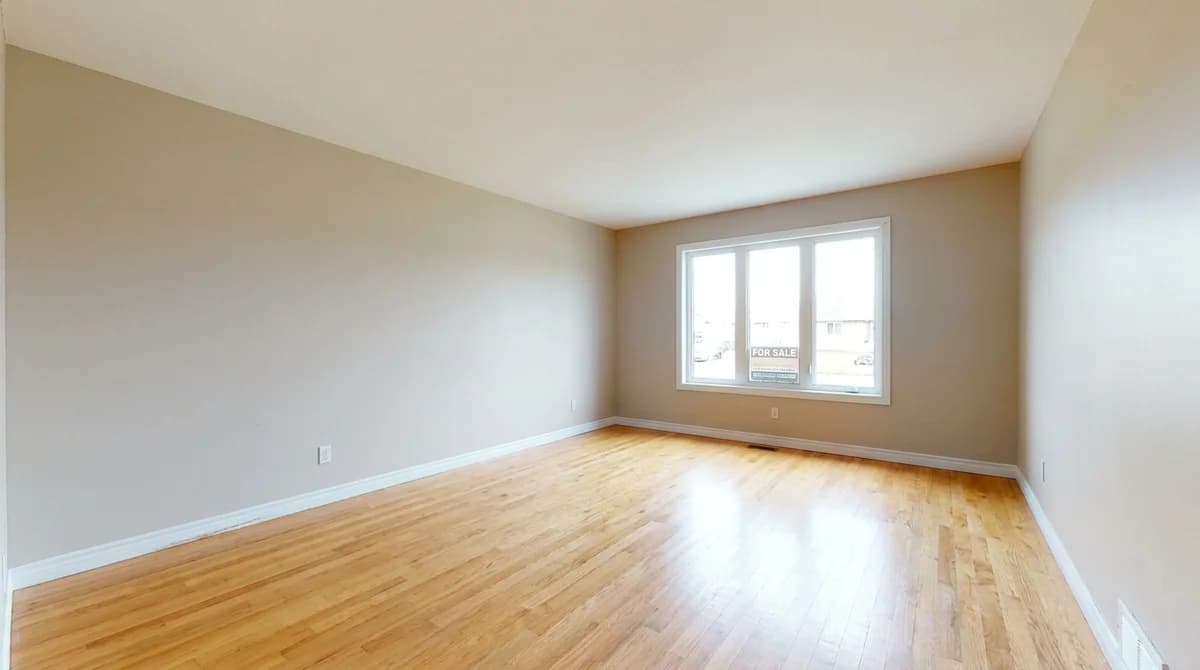
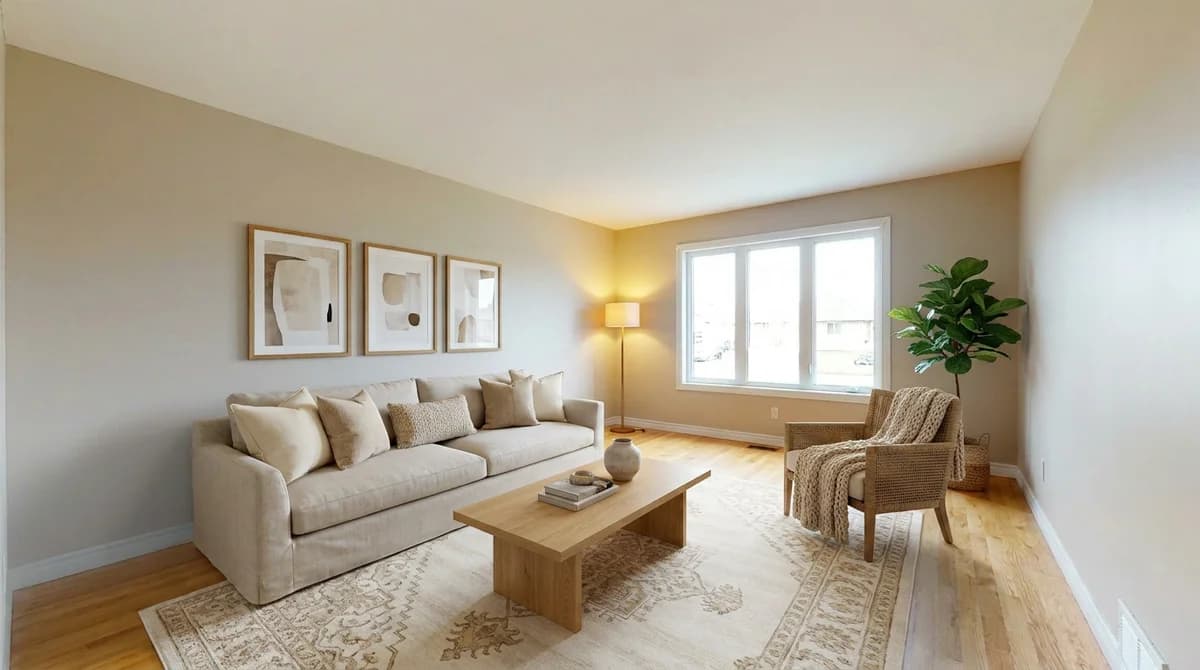
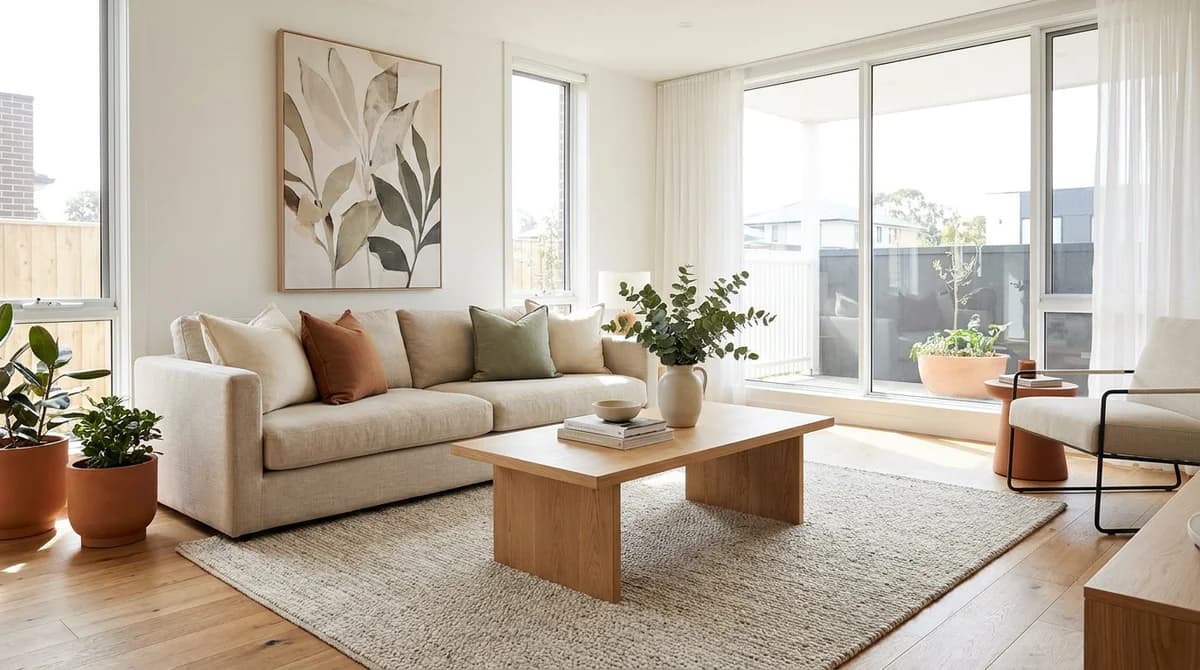
Der leere Raum ist schwer zu lesen. Die eingerichtete Version gibt Käufern Größenverhältnisse, Raumfluss und einen Grund, sich ein Leben dort vorzustellen, und sie war in unter einer Minute fertig.
Wie viel mehr erzielen eingerichtete Häuser?
Die Real Estate Staging Association berichtet, dass eingerichtete Häuser im Schnitt 1-5 % mehr erzielen. Diese Spanne ist entscheidend, weil sie sich gegen die Kosten der Einrichtung verrechnet.
| Angebotspreis | 1 % Aufschlag | 3 % Aufschlag | 5 % Aufschlag |
|---|---|---|---|
| 300.000 € | 3.000 € | 9.000 € | 15.000 € |
| 500.000 € | 5.000 € | 15.000 € | 25.000 € |
| 750.000 € | 7.500 € | 22.500 € | 37.500 € |
Stellt man diese Zahlen einer Staging-Rechnung von wenigen Euro pro Foto gegenüber, ist das Verhältnis eindeutig. Selbst der vorsichtigste Aufschlag von 1 % bei einer eher günstigen Anzeige übersteigt die Kosten, jeden Raum digital einzurichten, bei Weitem. Eine vollständige Aufschlüsselung der Zahlen finden Sie in unserem Leitfaden zum ROI von virtuellem Staging.
Warum Staging wirkt: die 81-%-Statistik
Die nützlichste Home-Staging-Statistik dreht sich nicht um den Preis, sondern um Psychologie. 81 % der Käufer sagen, dass eine Einrichtung es leichter macht, sich ein Haus als das eigene vorzustellen. Diese eine Zahl erklärt sowohl die schnelleren Verkäufe als auch die höheren Preise.
Käufer kaufen keine Grundrisse, sie kaufen ein Gefühl für ein künftiges Leben. Ein leerer Raum bietet nichts, woran sich dieses Gefühl festmachen ließe. Die Einrichtung liefert es: eine Leseecke am Fenster, ein Esstisch für die ganze Familie, ein Schlafzimmer, das ruhig wirkt. Hat ein Käufer sich erst einmal vorgestellt, dort zu wohnen, wird jede weitere besichtigte Anzeige an diesem Bild gemessen.
Physisches Staging vs. virtuelles Staging vs. keine Einrichtung
Eine Einrichtung wirkt, aber wie Sie einrichten, verändert die Rechnung vollständig.
| Faktor | Keine Einrichtung | Virtuelles Staging | Physisches Staging |
|---|---|---|---|
| Kosten | 0 € | 1-5 € / Bild | 500-3.000 € / Raum |
| Bearbeitungszeit | Sofort | Unter 60 Sekunden | 3-5 Tage Vorlauf |
| Verkauft schneller | Ausgangswert | Ja | Ja |
| Online-Wirkung | Schwach | Stark | Stark |
| Stilauswahl | Keine | Hoch | Gering |
Physisches Staging behält seinen Wert bei hochwertigen Inseraten, bei denen Käufer durch das Objekt gehen und die Räume vor Ort möbliert erleben sollen. Bei allem anderen, und besonders bei leeren Inseraten, die vor allem online verkauft werden, sichert virtuelles Staging den Tempo- und Preisvorteil zu rund einem Hundertstel der Kosten. Viele Makler machen beides: virtuell fürs Inseratsfoto, ein paar physische Akzente für die Besichtigung. Einen ausführlicheren Vergleich lesen Sie unter Lohnt sich virtuelles Staging.
Jede Anzeige zum Preis eines Kaffees einrichten
Der alte Einwand gegen Staging war das Budget. Als ein einziger eingerichteter Raum so viel kostete wie eine Monatsrate, musste man rationieren. Diese Einschränkung ist weg. Bei virtuellem Staging mit AI für 1-5 € pro Bild kostet das Einrichten einer kompletten Anzeige weniger als der Kaffee für eine Woche voller Besichtigungen.
Das ändert die Strategie. Statt nur das Wohnzimmer einzurichten und zu hoffen, dass die leeren Schlafzimmer Käufer nicht abschrecken, richten Sie jeden Raum ein, testen mehrere Stile passend zum wahrscheinlichen Käufer und halten die Anzeige rundum hochwertig. Laden Sie ein Foto von einem beliebigen Raum hoch, wählen Sie eine Gestaltungsrichtung, und Sie haben in unter einer Minute ein eingerichtetes, fotorealistisches Bild.
Sie können ein Inseratsfoto virtuell einrichten und das Ergebnis gegen Ihre eigene leere Anzeige halten, bevor Sie überhaupt zahlen. Die Statistiken sagen, dass eine Einrichtung schneller und teurer verkauft. Die einzige offene Frage ist, ob Sie einen Raum oder alle einrichten, und bei ein paar Euro pro Stück beantwortet sich diese Frage von selbst.
Häufig gestellte Fragen
Verkaufen sich eingerichtete Häuser schneller als leere?
Ja. Die National Association of Realtors berichtet, dass sich eingerichtete Häuser schneller verkaufen als vergleichbare leere Objekte, weil eine Einrichtung Käufern hilft, sich selbst in den Räumen zu sehen. 81 % der Käufer sagen, dass eine eingerichtete Immobilie ihnen die Vorstellung als künftiges Zuhause erleichtert, und diese schnellere emotionale Bindung führt zu schnelleren Geboten.
Wie viel mehr erzielen eingerichtete Häuser?
Die Real Estate Staging Association berichtet, dass eingerichtete Häuser im Schnitt 1-5 % mehr erzielen. Bei einer Anzeige über 400.000 € sind selbst vorsichtige 1 % schon 4.000 €, also weit mehr als die Kosten fürs Einrichten, besonders bei virtuellem Staging mit AI für rund 1-5 € pro Bild.
Wie viele Käufer sagen, dass Staging hilft?
81 % der Käufer sagen, dass eine Einrichtung es leichter macht, sich ein Haus als das eigene vorzustellen. Eine Einrichtung gibt Käufern ein Gefühl für Größenverhältnisse, Möbelstellung und Lebensgefühl, das ein kahles Inseratsfoto nicht vermitteln kann.
Hilft auch virtuelles Staging beim schnelleren Verkauf?
Ja. Virtuelles Staging bringt denselben Wahrnehmungsvorteil wie physisches Staging zu einem Bruchteil der Kosten. Virtuelles Staging mit AI kostet rund 1-5 € pro Bild und ist in unter 60 Sekunden fertig, gegenüber 500-3.000 € pro Raum beim physischen Staging.
Was kostet es, ein Haus einzurichten?
Physisches Staging kostet üblicherweise 500-3.000 € pro Raum und Monat, klassisches virtuelles Staging durch Designer liegt bei 25-100 € pro Bild, und virtuelles Staging mit AI kostet rund 1-5 € pro Bild in unter einer Minute. Die niedrigen Kosten beim Staging mit AI sind der Grund, warum die meisten Makler inzwischen jede Anzeige digital einrichten.
Lohnt sich Staging bei einem leeren Haus?
Ja, besonders bei leeren Häusern. Leere Räume kommen auf Fotos schlecht zur Geltung und erschweren es, Größenverhältnisse einzuschätzen, und eingerichtete Häuser verkaufen sich deshalb schneller. Da virtuelles Staging nur ein paar Euro pro Foto kostet, gibt es kaum einen Grund, einen leeren Raum kahl zu inserieren, wenn 81 % der Käufer sagen, dass eine Einrichtung ihnen den Zugang zu einem Haus erleichtert.
Bereit, Ihre Anzeigen zu transformieren?
Richten Sie Ihren ersten Raum ein in 20 Sekunden. Keine Designkenntnisse nötig.