RoomLift Logo

Japandi Nursery Design

AI-Powered Design Visualization

Upload a photo of your nursery and transform it into stunning Japandi design in under 60 seconds.

Start designing now

No credit card required. 10 free renders.

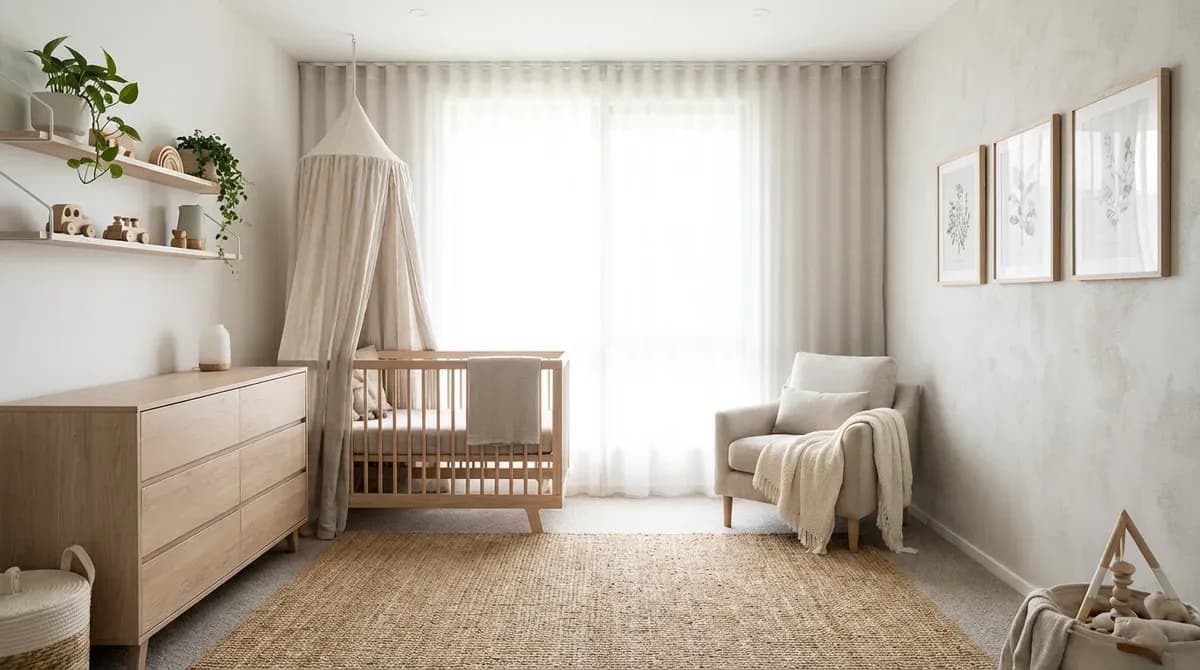
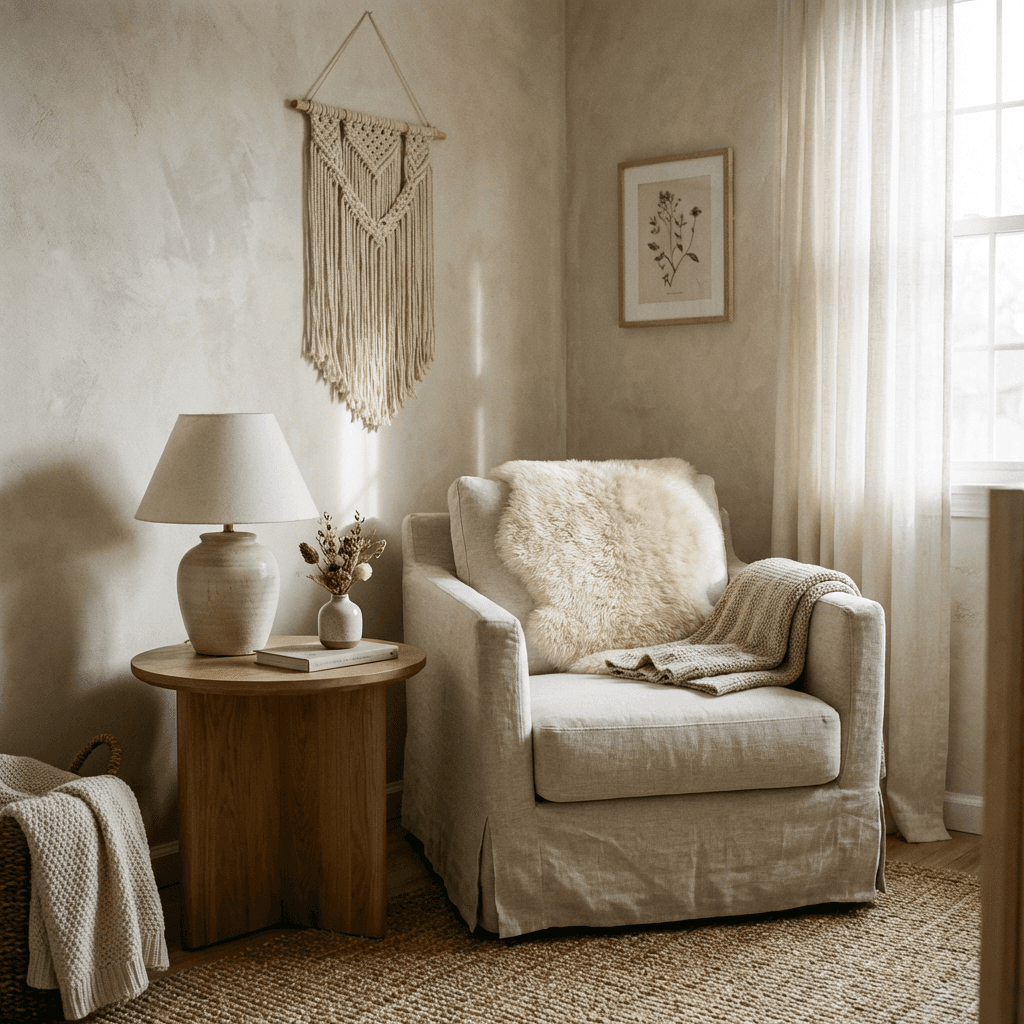
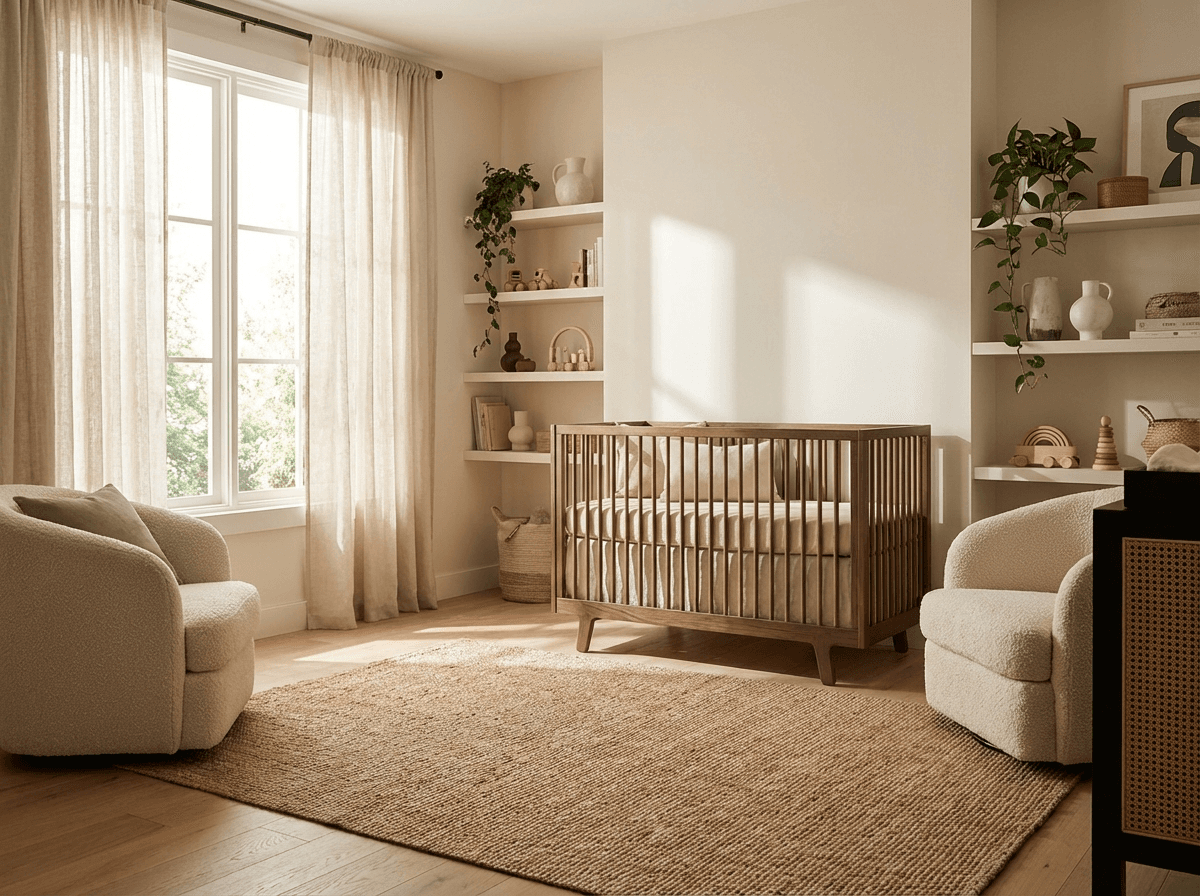
Japandi Nursery design visualization

Color Palette

The essential colors of Japandi nursery design

Cream Cotton
Soft Fawn
Gentle Sage
Warm Biscuit
Natural White
Bark Brown

Design Tips

Expert recommendations for your Japandi nursery

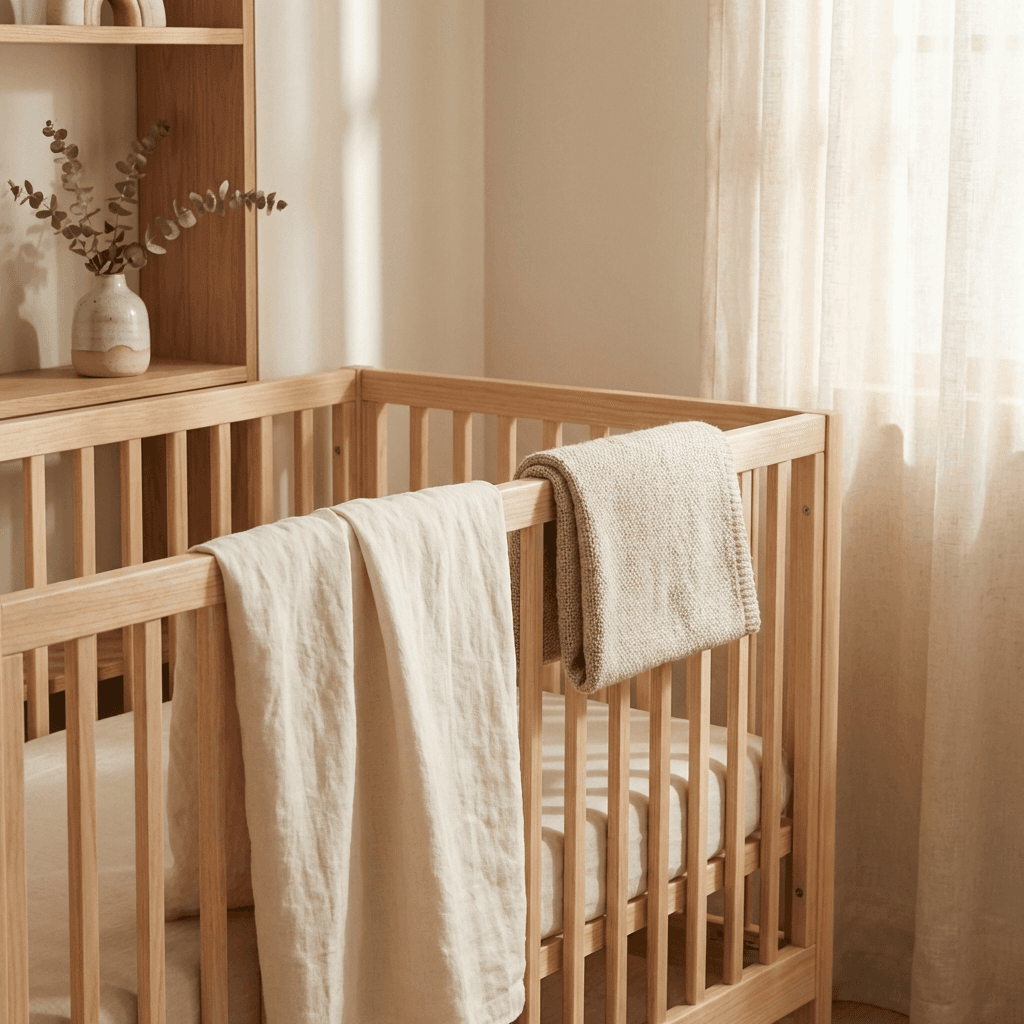
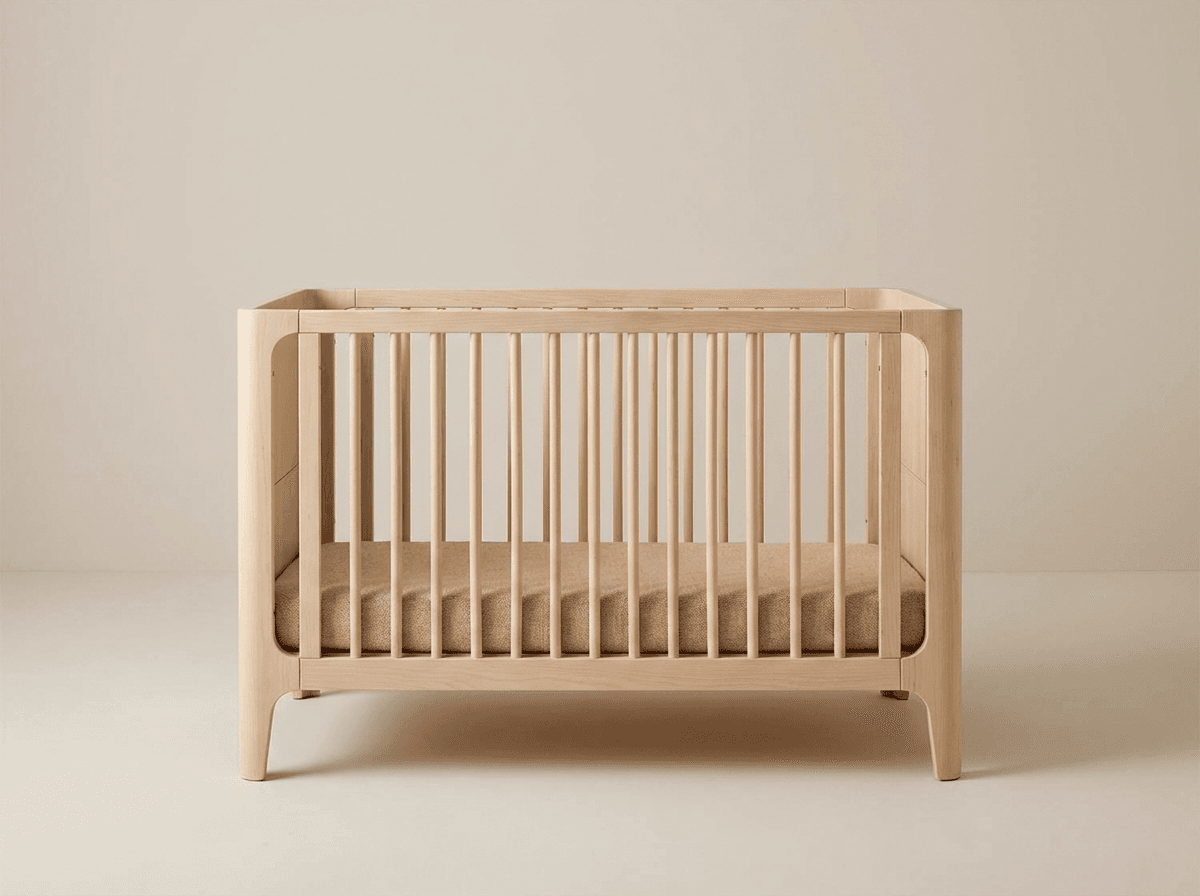
Use a natural wood crib with minimal design

Use a natural wood crib with minimal design

A solid wood crib in pale birch or beech with simple spindles and no ornamental details is the room's most important piece. The clean lines and natural finish are timeless — the crib will look as current in five years as it does today, and the wood is safe from off-gassing that comes with painted finishes.

Keep the color palette soft and nature-inspired

Keep the color palette soft and nature-inspired

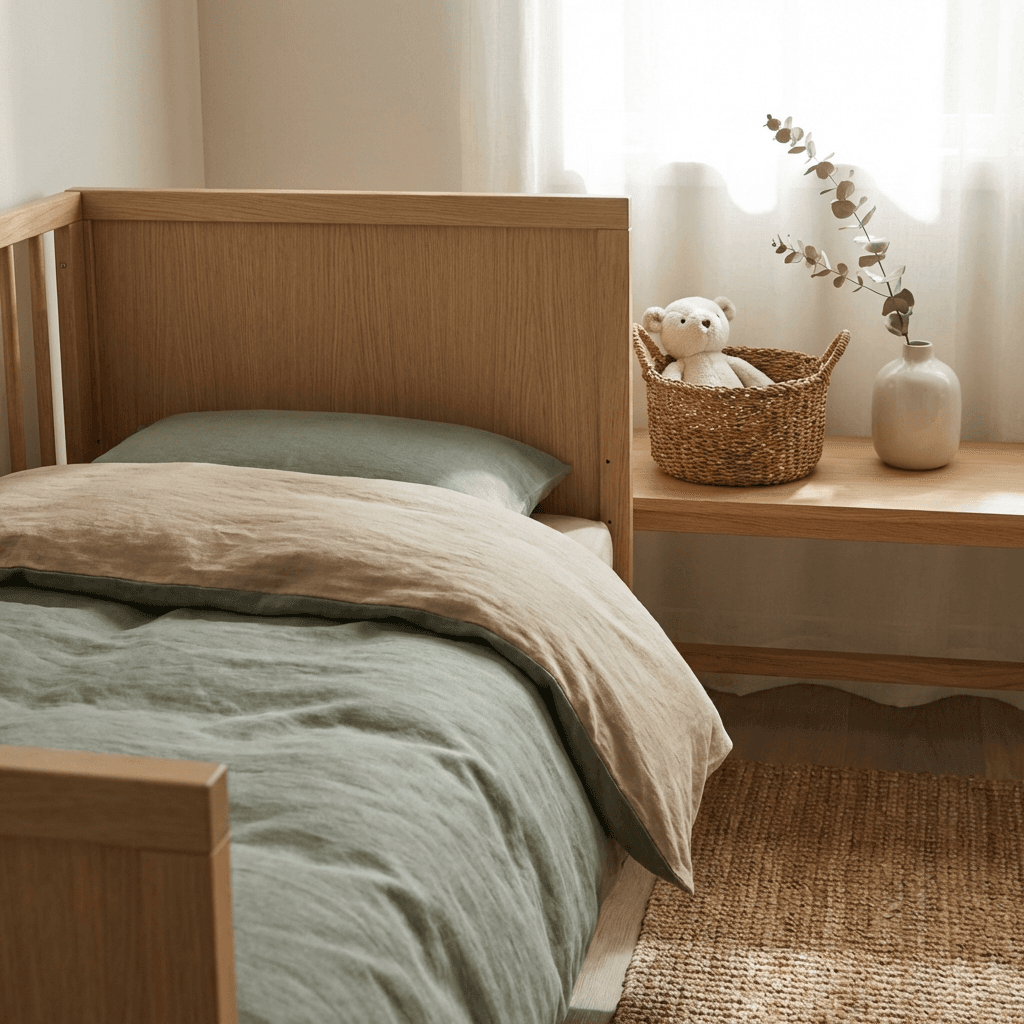
Replace primary-color nursery cliches with muted sage, soft fawn, warm cream, and touches of bark brown. These earth tones are calming for both baby and parents, and they allow the room to transition easily from nursery to toddler bedroom without repainting.

Choose organic cotton and linen textiles

Choose organic cotton and linen textiles

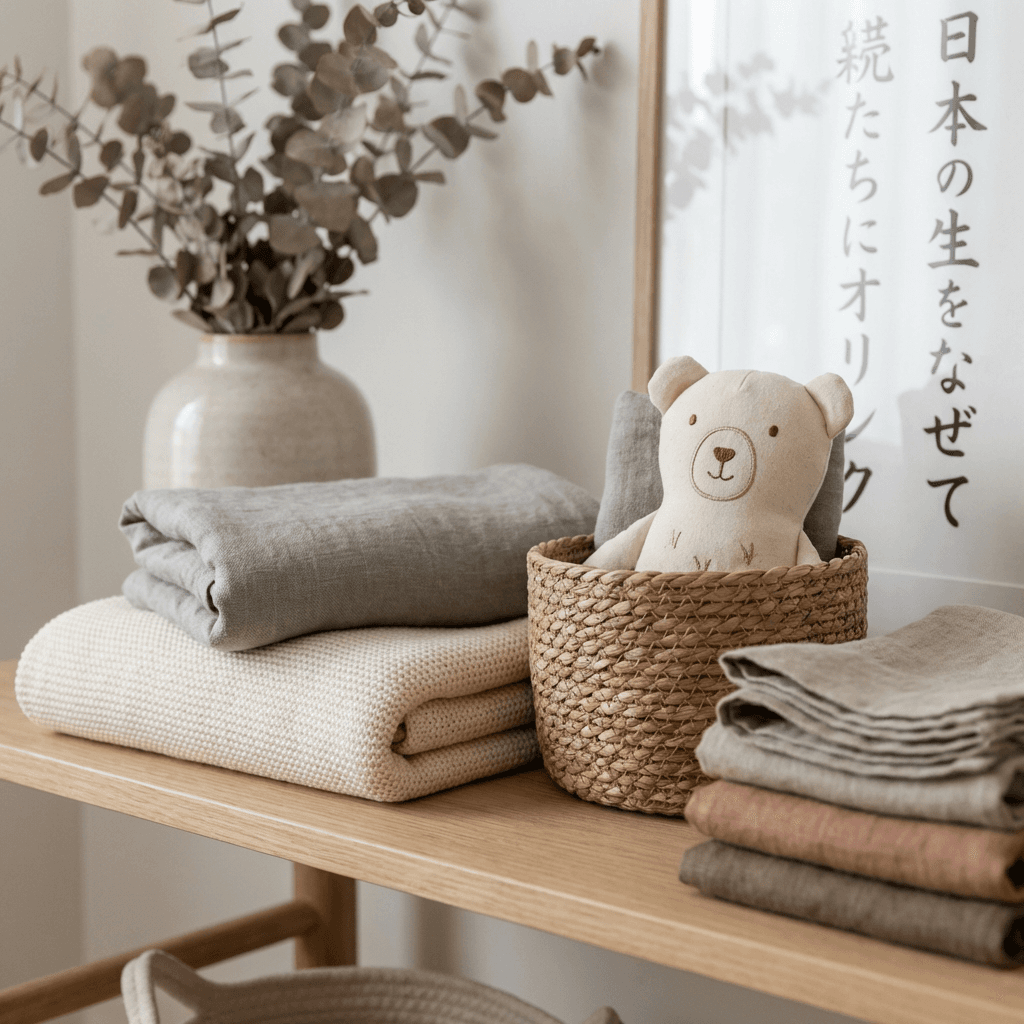
Organic muslin swaddles, linen crib sheets, and a cotton knit blanket are safer for sensitive skin and align with Japandi's commitment to natural materials. Skip synthetic fabrics with printed characters — the natural texture and soft color of the fibers are decoration enough.

Create a calm nursing corner

Create a calm nursing corner

A low rocking chair or glider in natural wood and linen, positioned beside a small side table for water and essentials, creates a dedicated zone for feeding and bonding. Hang a woven mobile above at adult eye level — something beautiful for the parent during late-night feeds.

Furniture Recommendations

Key pieces for the perfect Japandi nursery

Solid birch crib

Solid birch crib

A convertible crib in unfinished or clear-coated birch with clean slat lines and rounded edges. The simple design converts from crib to toddler bed, embodying the Japandi principle of buying fewer, longer-lasting pieces.

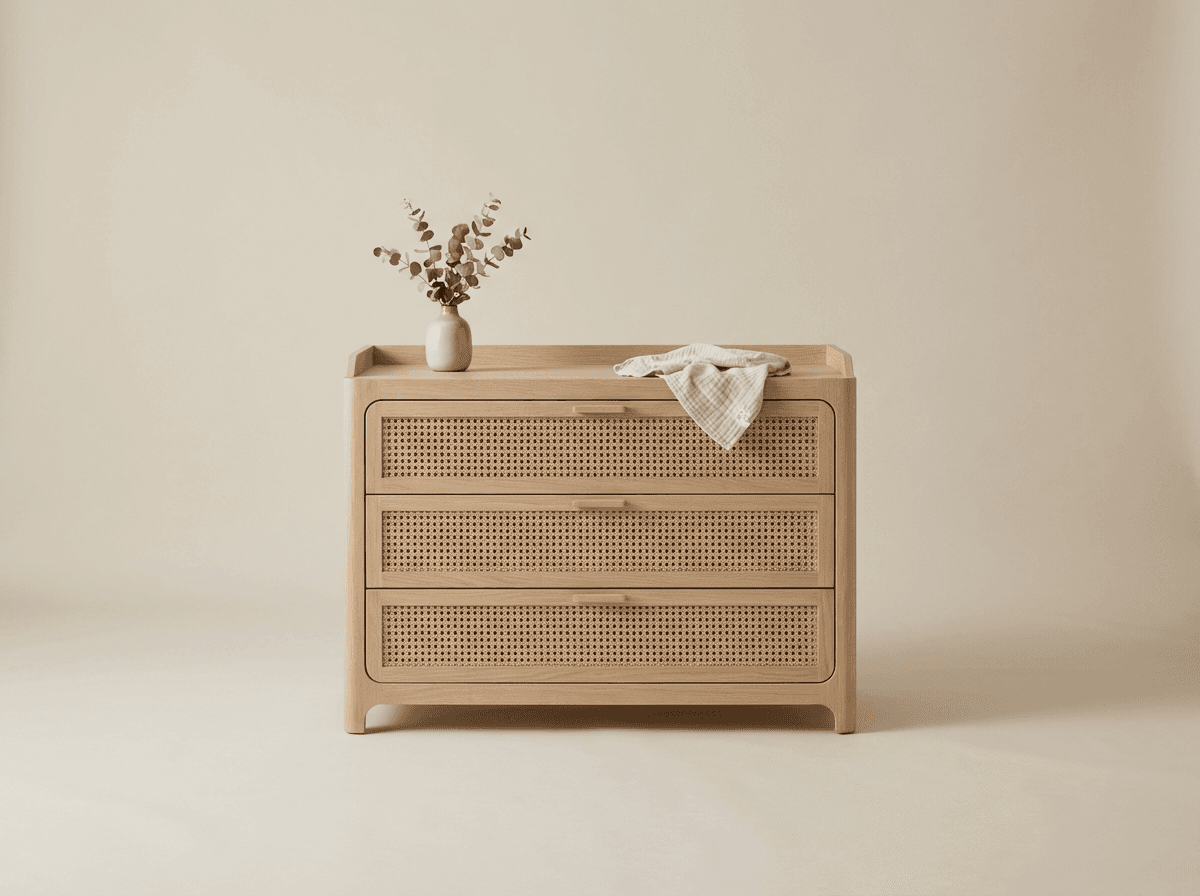
Low-profile changing dresser

Low-profile changing dresser

A wide, low dresser in matching wood with rounded edges and soft-close drawers, topped with a removable changing pad. When the diaper stage ends, the dresser continues life as a bedroom storage piece — no need to replace it.

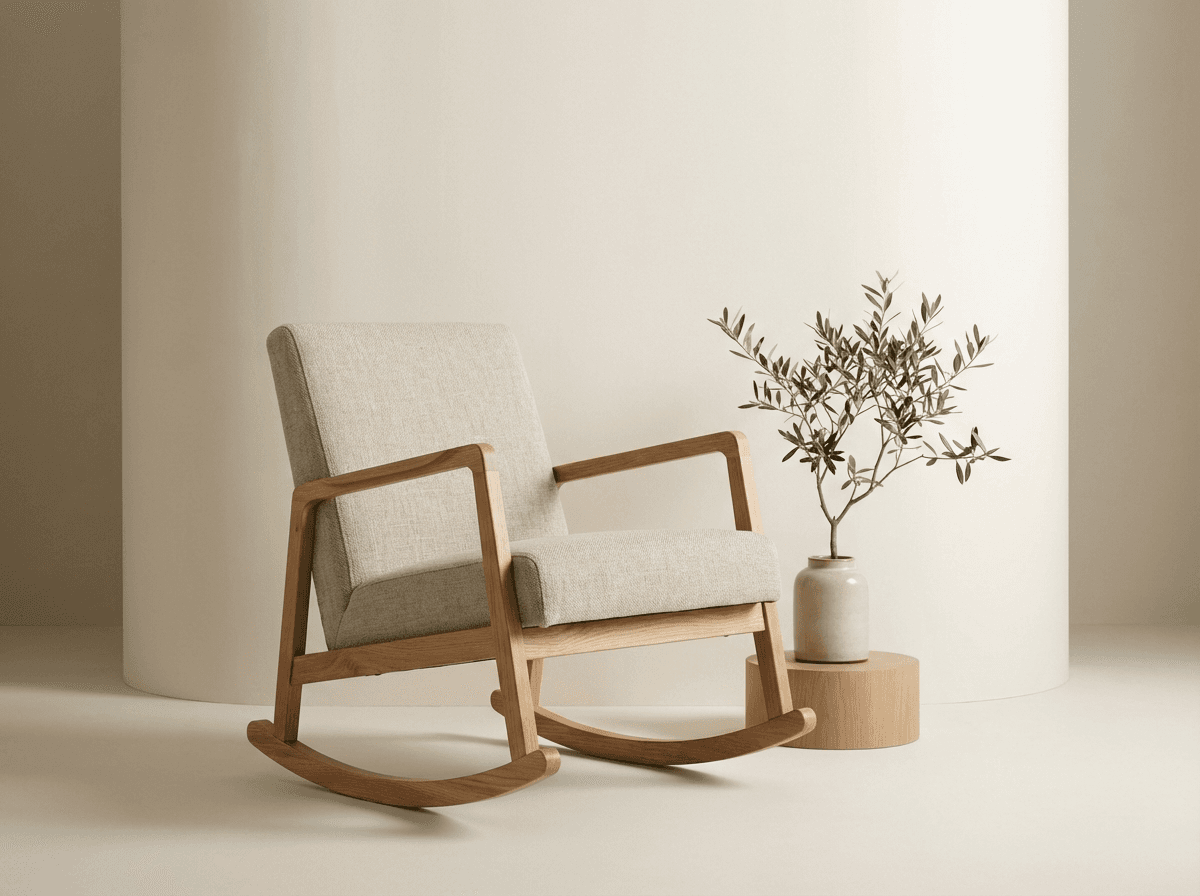
Linen rocking chair

Linen rocking chair

A wooden rocking chair with a loose linen cushion in oatmeal or soft sage. The gentle motion soothes babies to sleep, and the natural materials ensure the chair looks at home in the Japandi palette rather than introducing plastic or synthetic mesh.

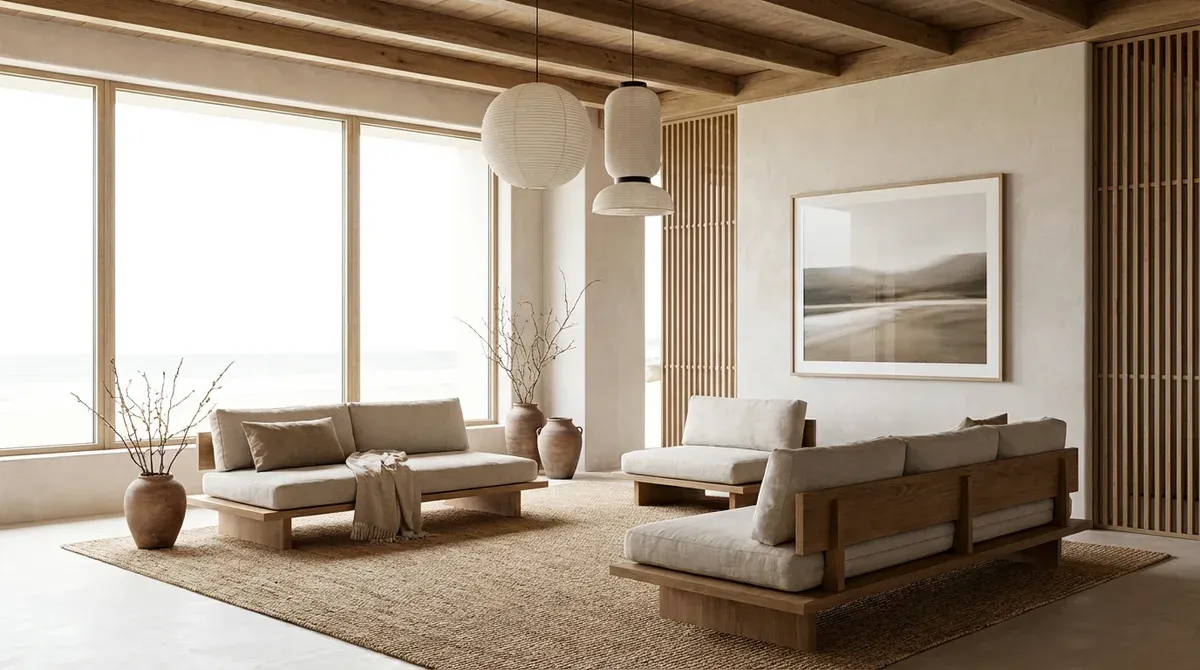
Japandi Nursery interior inspiration
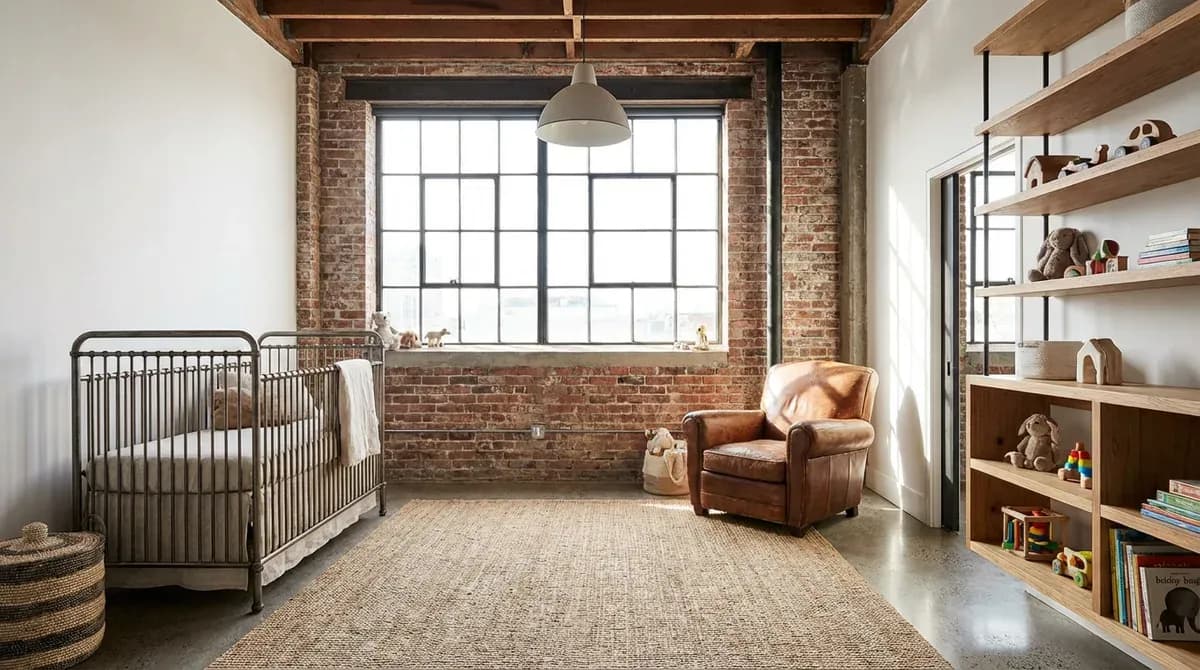
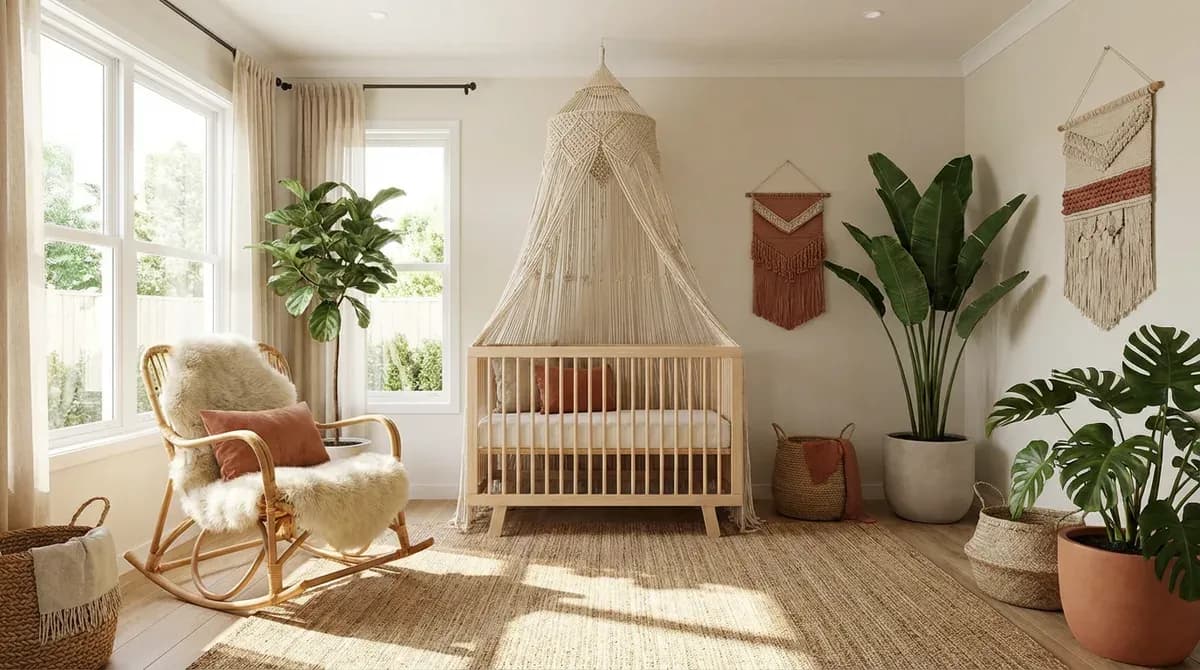
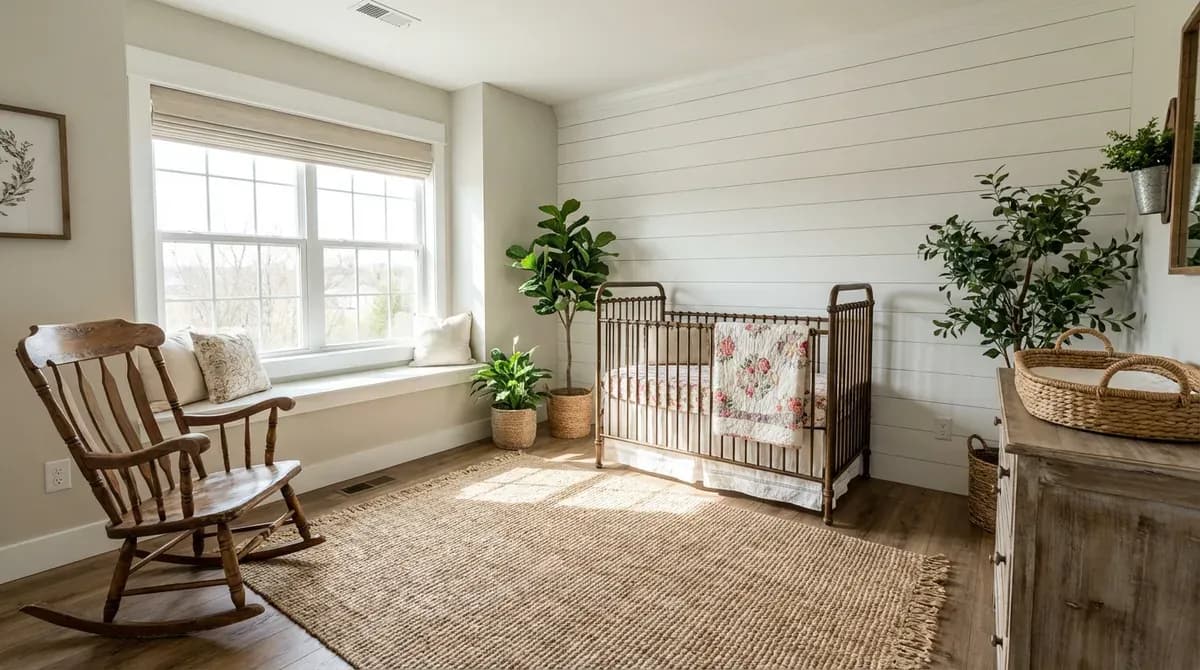
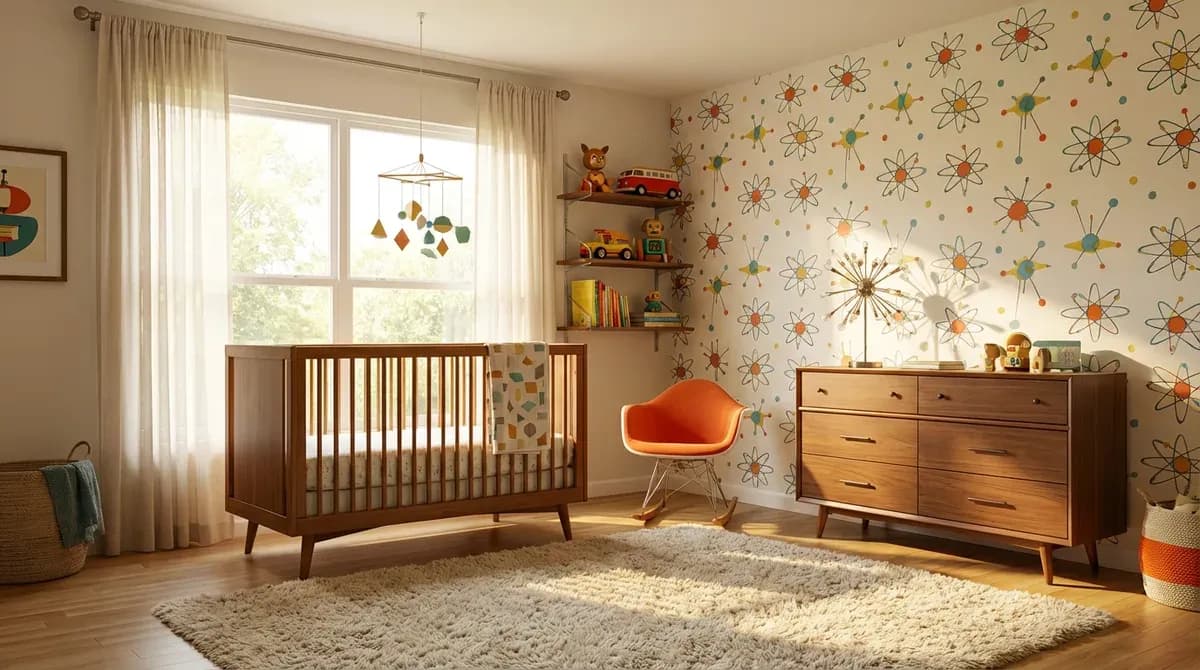
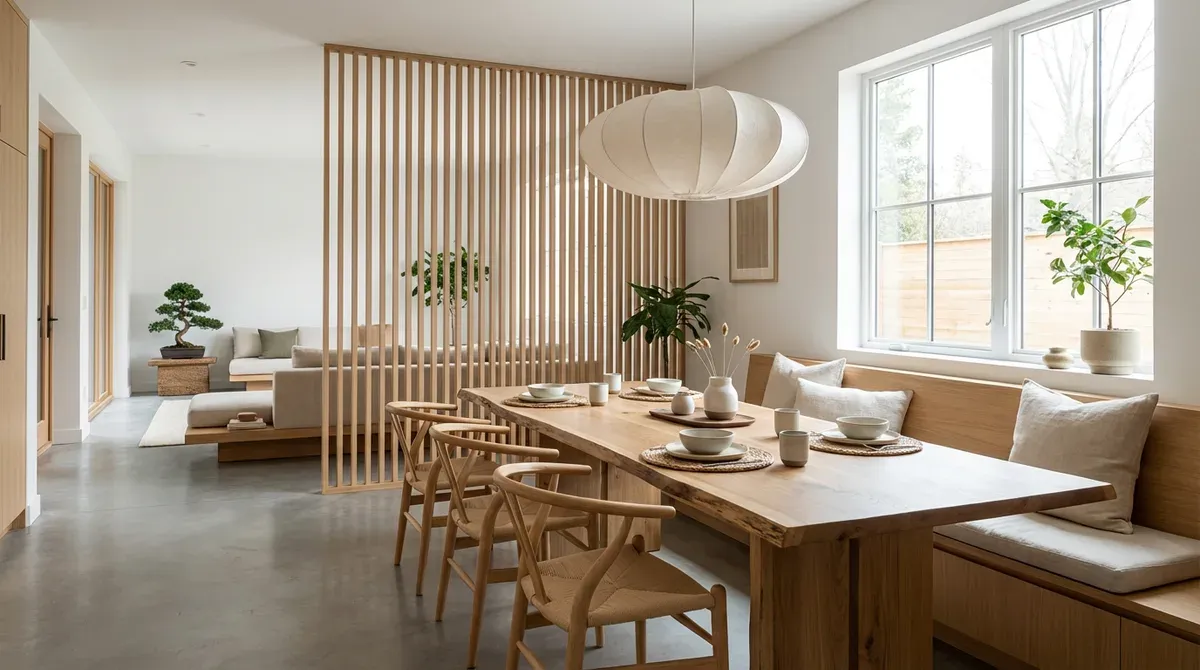
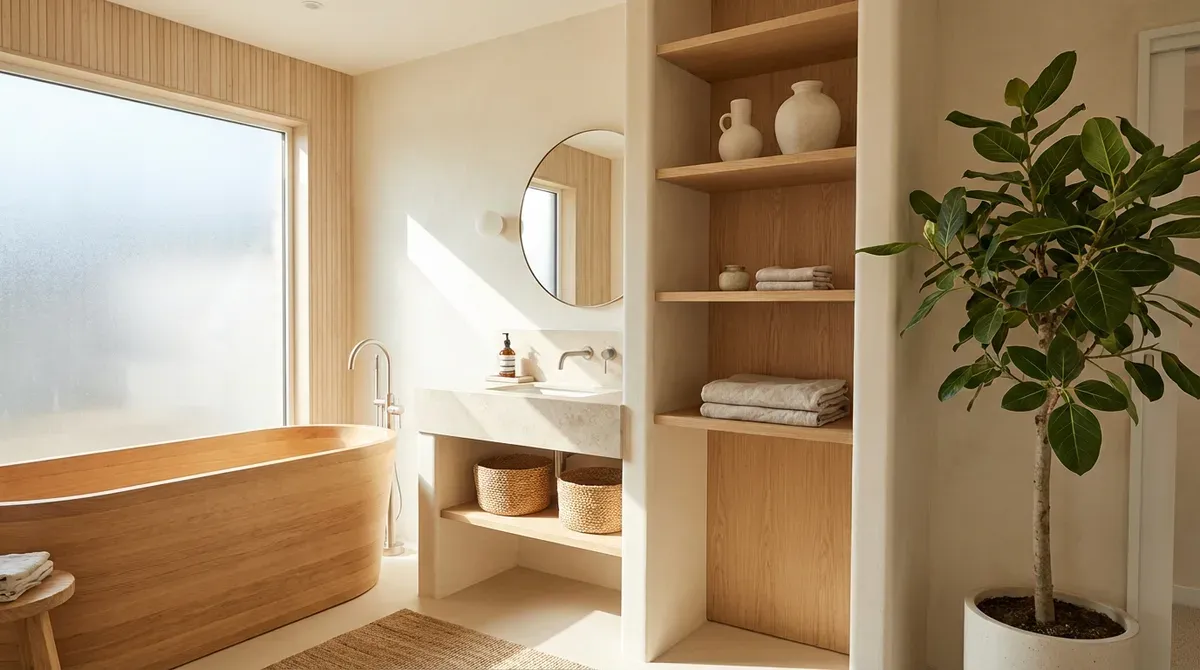
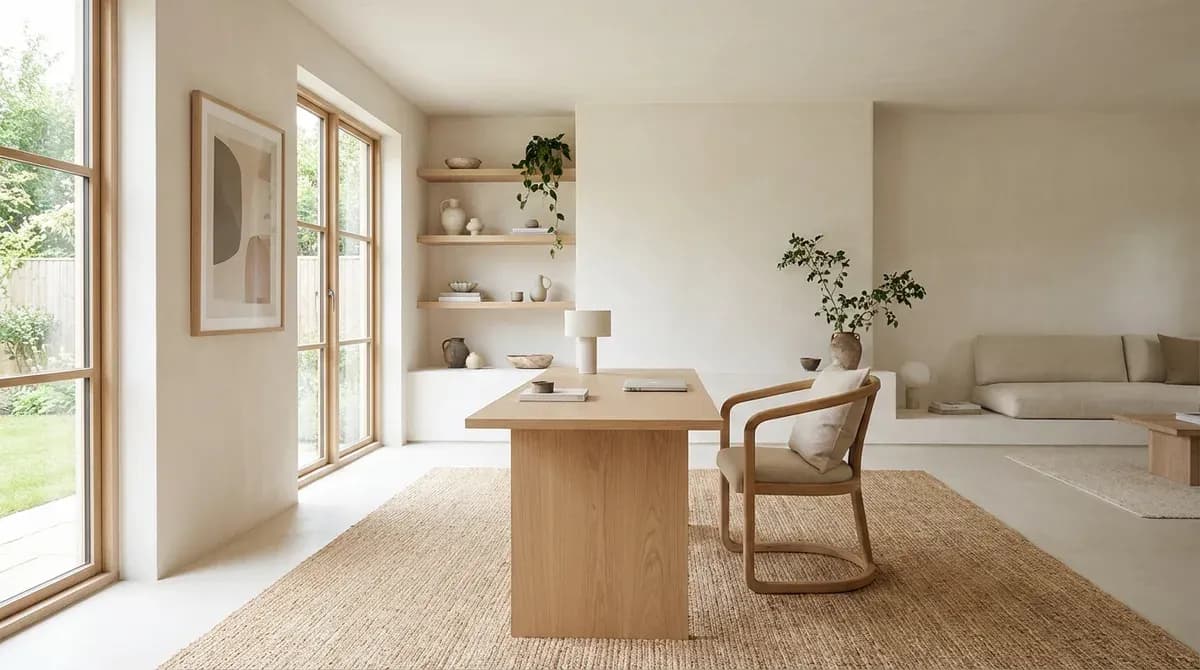
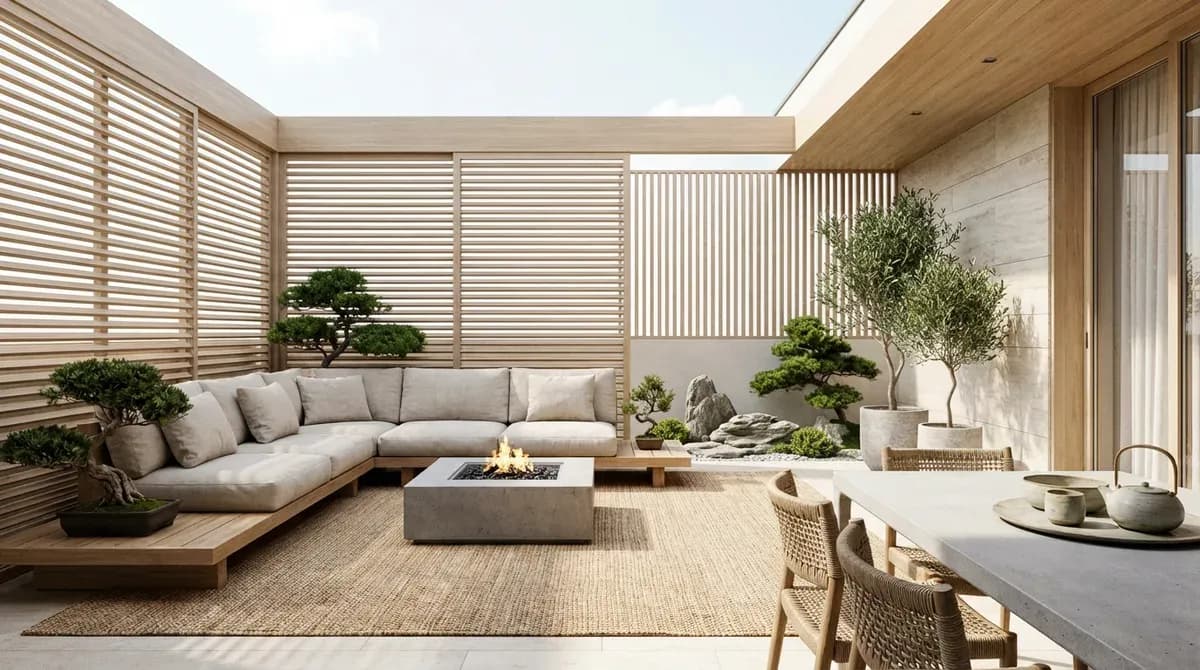
A Japandi nursery begins with a simple belief: babies thrive in calm environments. Rather than saturating the room with primary colors and cartoon characters, this approach creates a cocoon of natural materials, soft light, and earthy tones that soothes both infant and parent. The palette draws from nature — cream, fawn, sage, and bark — colors that are gentle on developing eyes and timeless enough to grow with the child for years. Every piece of furniture is chosen for longevity. A solid birch crib that converts to a toddler bed, a low dresser that serves as a changing station now and a clothing chest later, a rocking chair that will move to the living room when night feeds end. Japandi nursery design is an investment in quality over quantity, buying three beautiful things instead of ten disposable ones. The room's beauty comes from its restraint. A single woven mobile turning slowly above the crib, a hand-knitted blanket folded on the rocker, a small wooden toy on the shelf — these few objects create a warm, intentional space where the focus stays where it belongs: on the small person sleeping at its center.
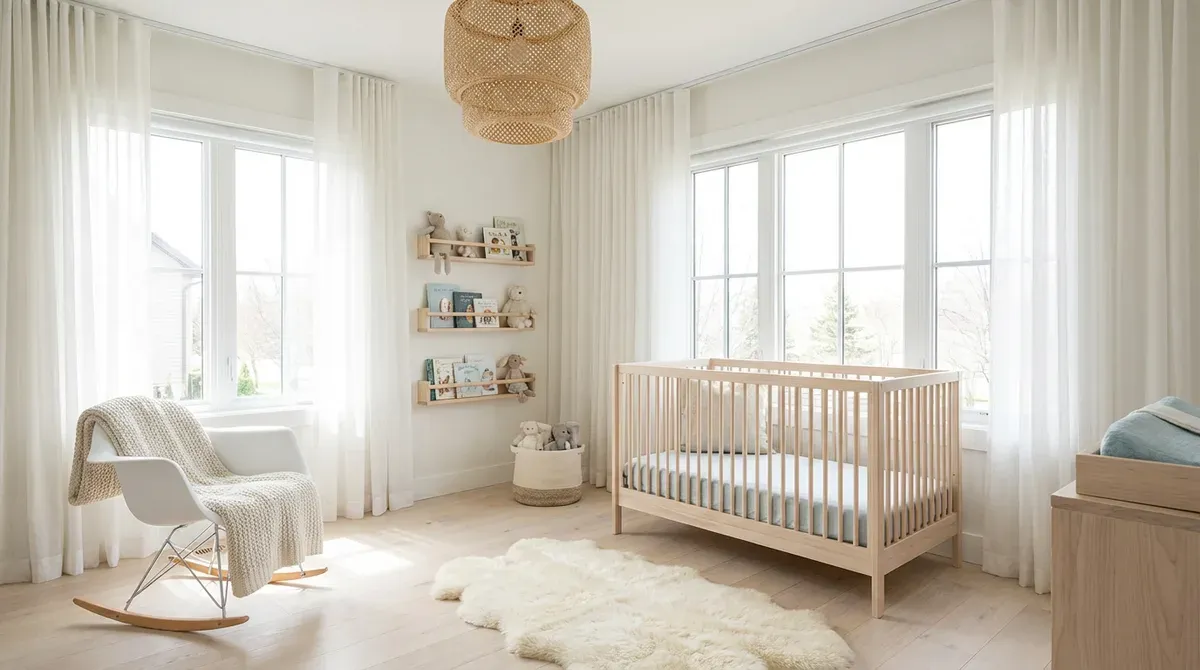
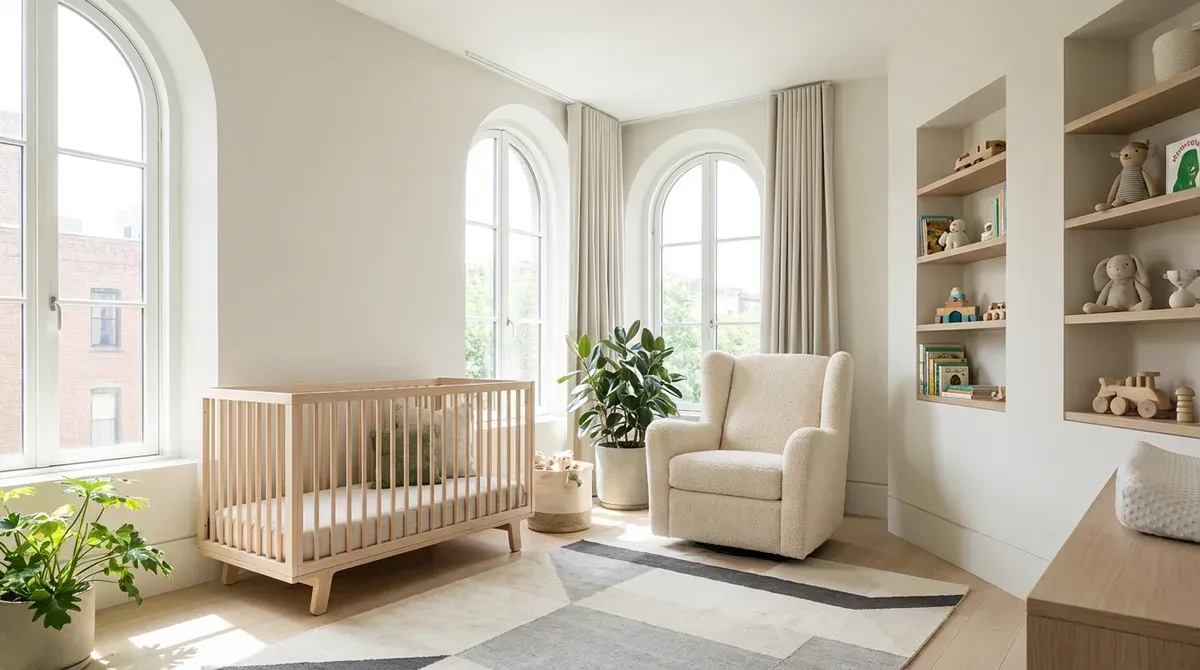
This Room in Every Style

Explore more design styles for your nursery

More Japandi Rooms

See Japandi design in other rooms

Frequently Asked Questions

Everything you need to know about RoomLift — for designers, agents, and anyone transforming spaces with AI.

Is Japandi style safe for a baby's nursery?
Very safe when done right. Natural, untreated or low-VOC-finished wood reduces chemical exposure. Organic cotton and linen textiles are gentler on sensitive skin. The minimalist approach means fewer small objects, less clutter, and a calmer environment — all beneficial for infant development.
How do I add personality to a Japandi nursery without bright colors?
Use texture and organic shapes instead of color. A woven wall hanging, a hand-knitted blanket, a wooden stacking toy, and a few soft linen animal toys provide warmth and character within the neutral palette. One accent in soft sage or dusty rose adds gentle visual interest.
Will a Japandi nursery grow with my child?
That is one of its greatest strengths. The neutral palette, quality furniture, and lack of themed decor mean the room transitions effortlessly from newborn to toddler to young child. Swap the crib for a toddler bed, add a small bookshelf, and the room evolves without a full redesign.
What mobile suits a Japandi nursery?
A handmade mobile in natural wood, felt, or dried flowers — avoiding plastic, music boxes, or licensed characters. Simple geometric shapes or abstract organic forms in muted tones provide gentle visual stimulation while maintaining the room's serene atmosphere.
How do I organize a Japandi nursery efficiently?
Use woven baskets for soft toys and blankets, wooden bins for books, and the dresser drawers for clothing organized by type. Keep surfaces clear and rotate toys rather than displaying all at once. The calm, orderly room benefits baby's sense of security and parents' sense of sanity.
Start designing for free

No credit card required. 10 free renders.