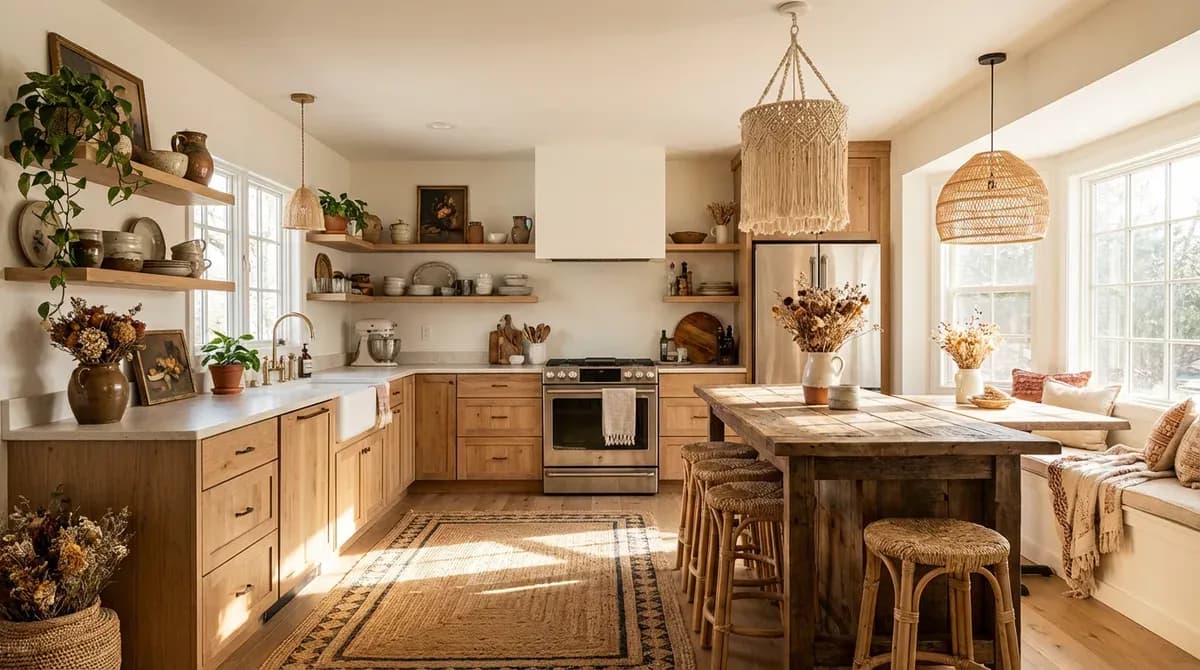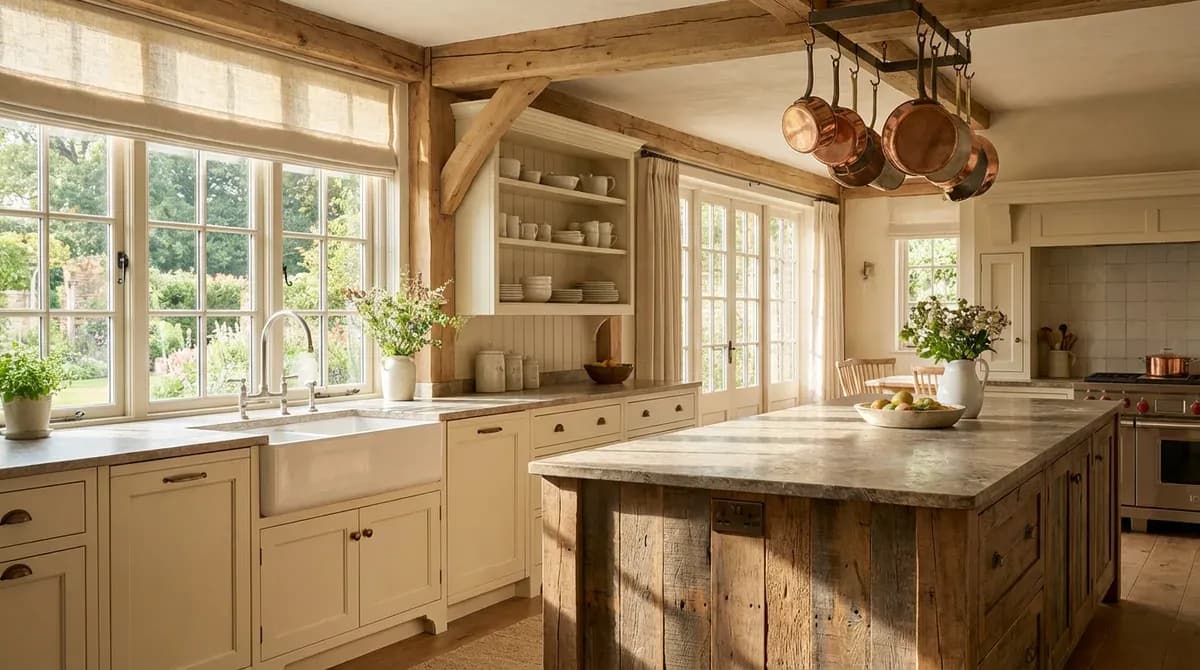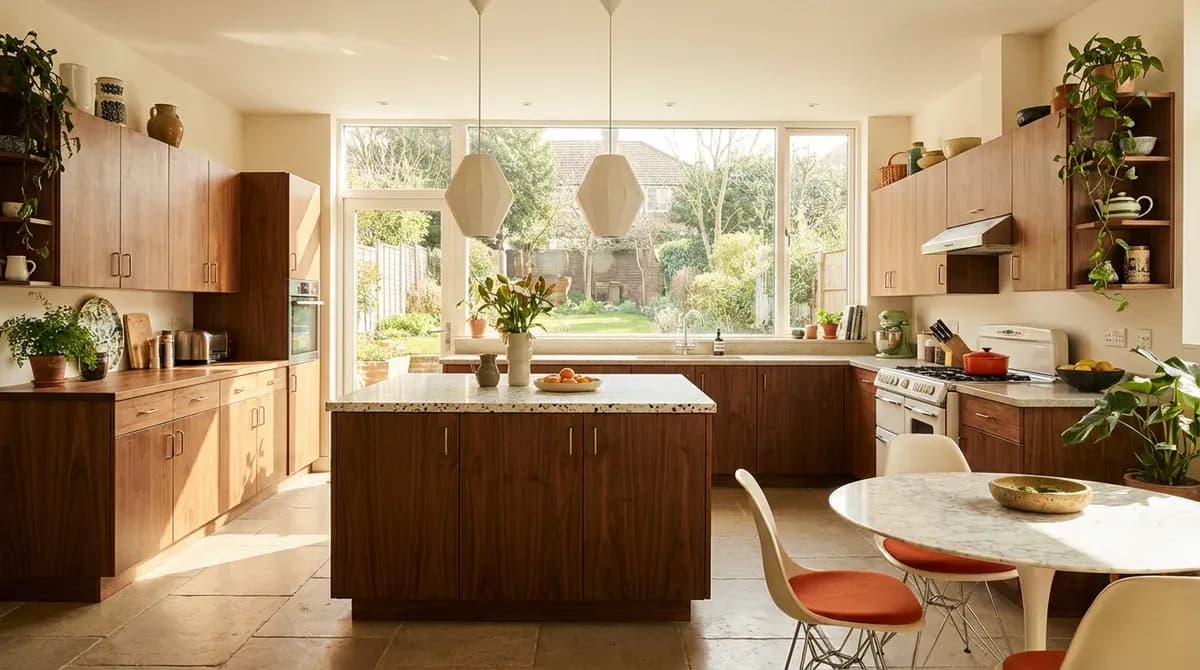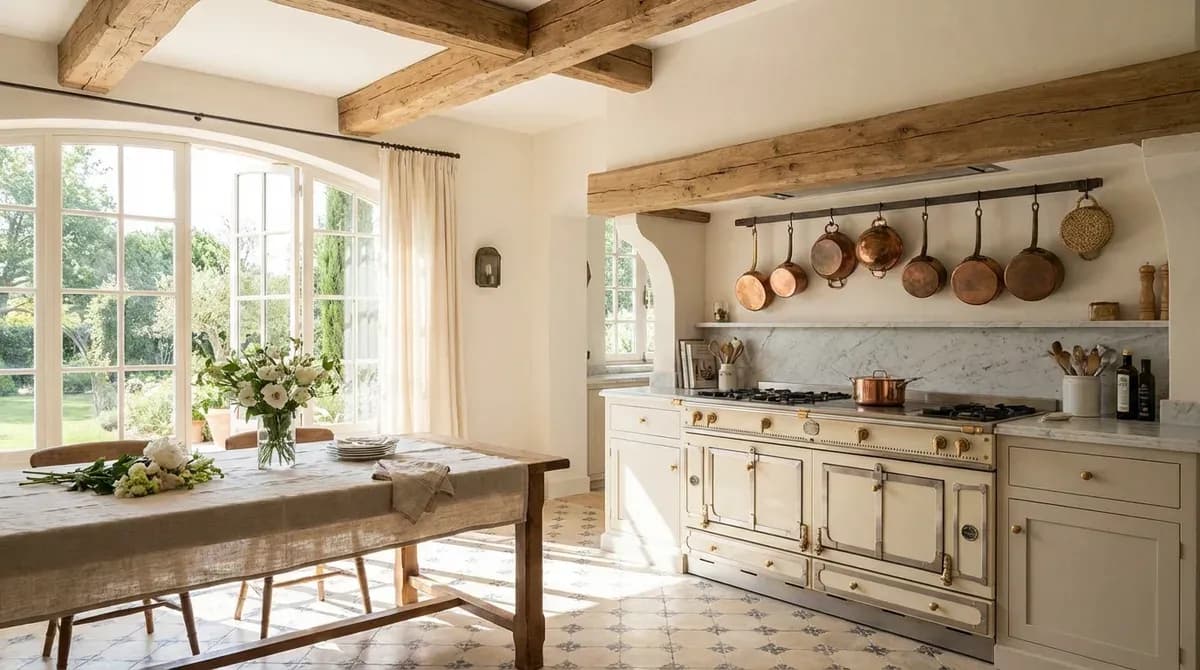
Traditional Kitchen Design
AI-Powered Design Visualization
Upload a photo of your kitchen and transform it into stunning Traditional design in under 60 seconds.
No credit card required. 10 free renders.

Color Palette
The essential colors of Traditional kitchen design
Design Tips
Expert recommendations for your Traditional kitchen

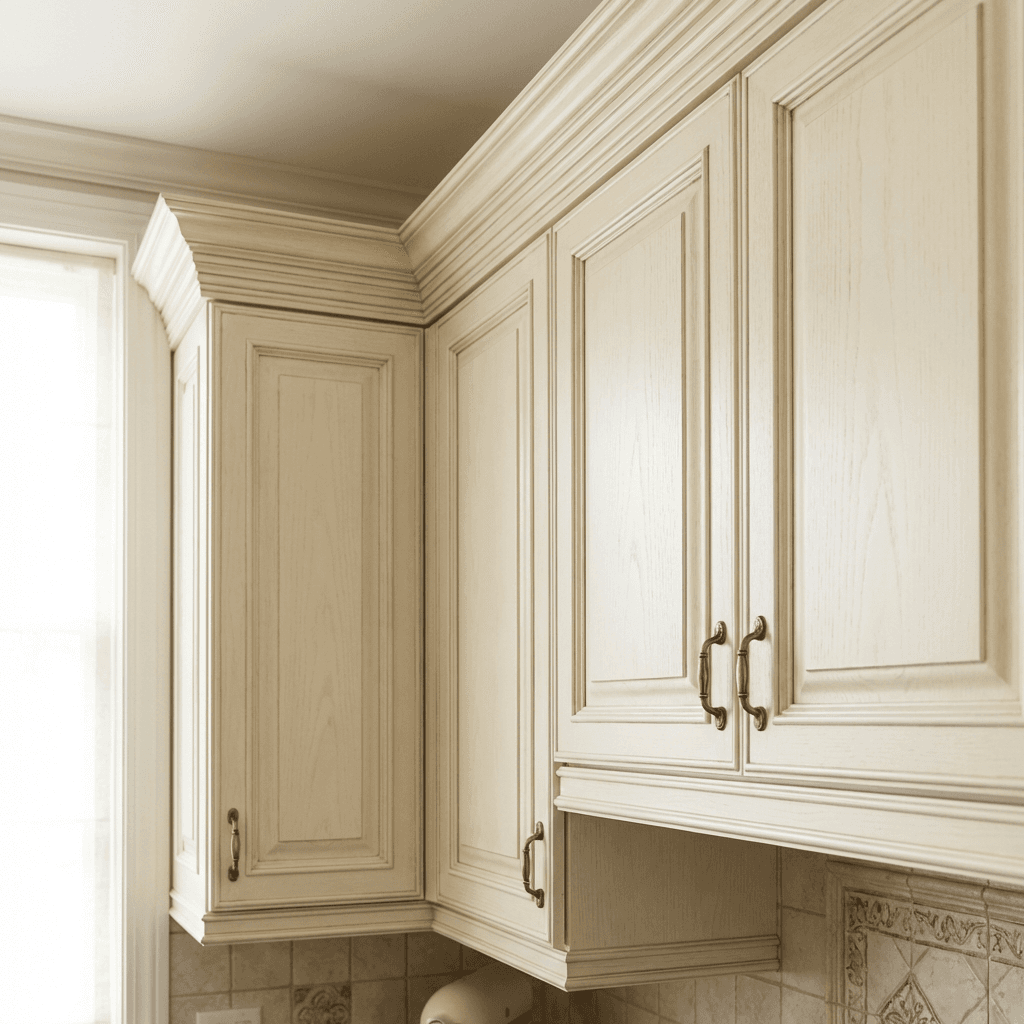
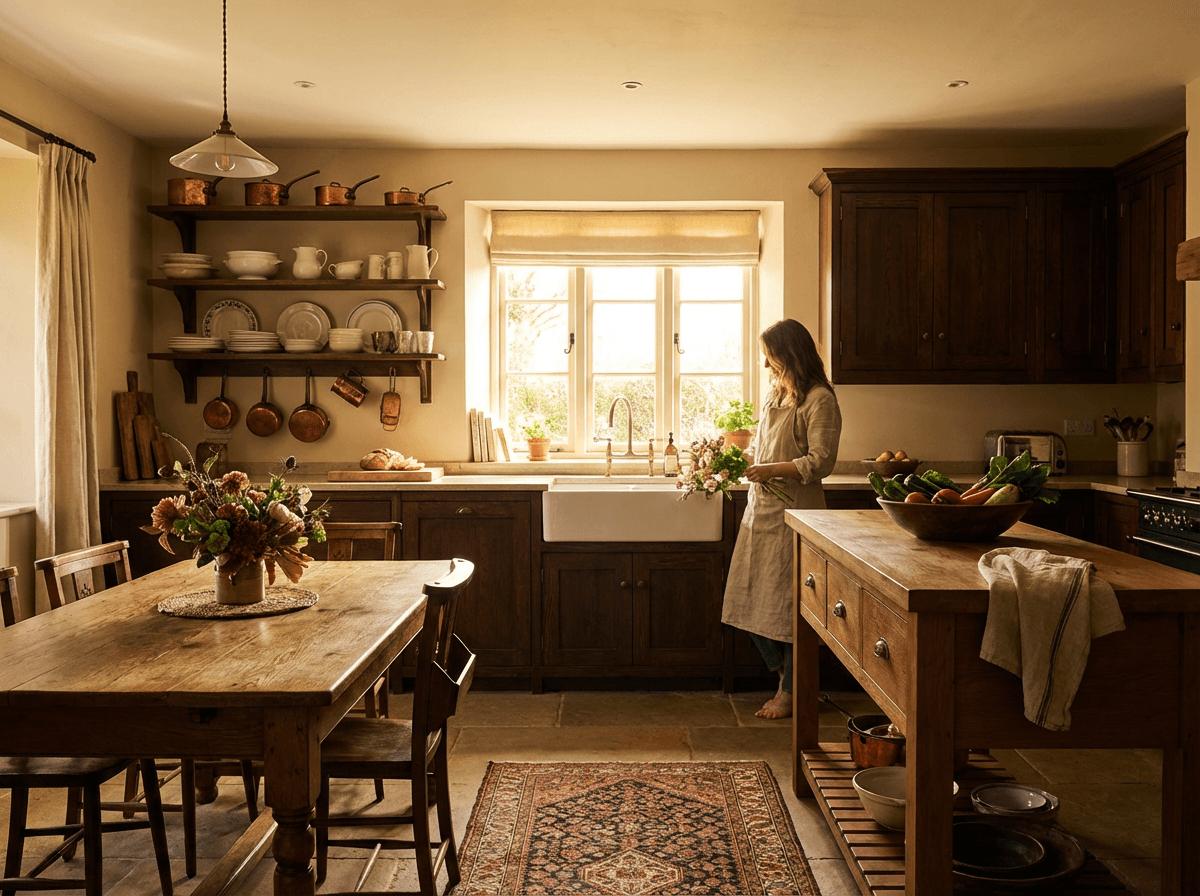
Install raised-panel cabinetry with crown molding detail
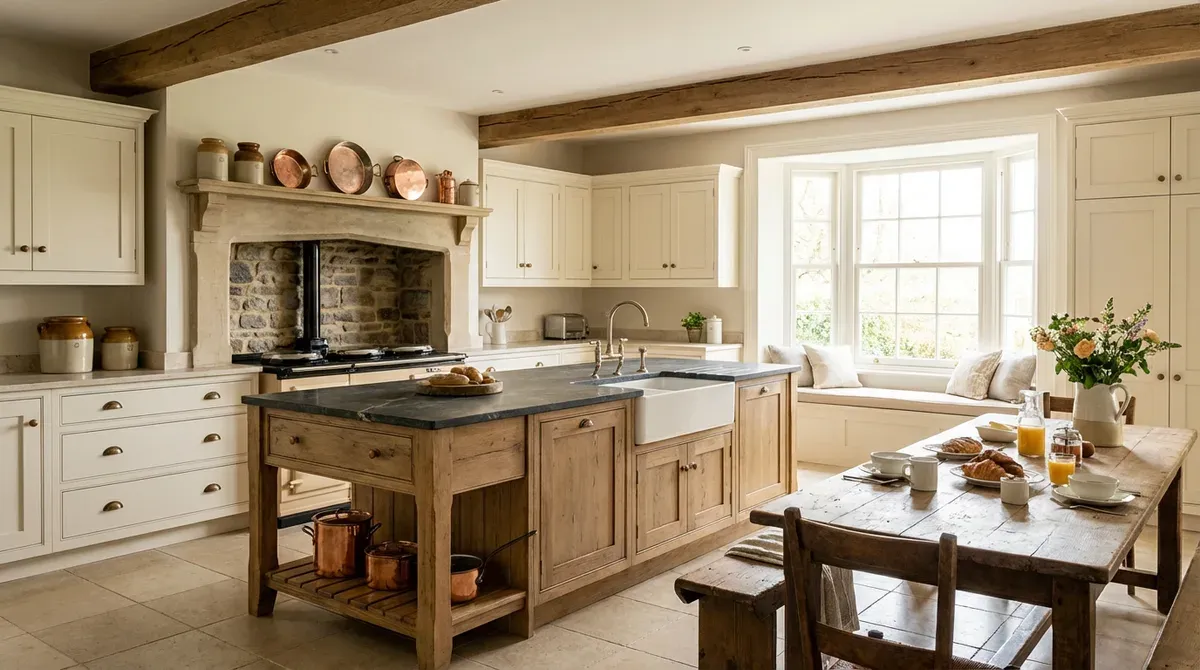
Traditional kitchens are defined by their cabinetry. Raised-panel doors with an ogee or cathedral profile, finished in painted ivory, sage, or stained cherry, form the room's visual backbone. Add crown molding where the cabinets meet the ceiling and a decorative baseboard where they meet the floor — these trim details distinguish traditional from builder-grade.

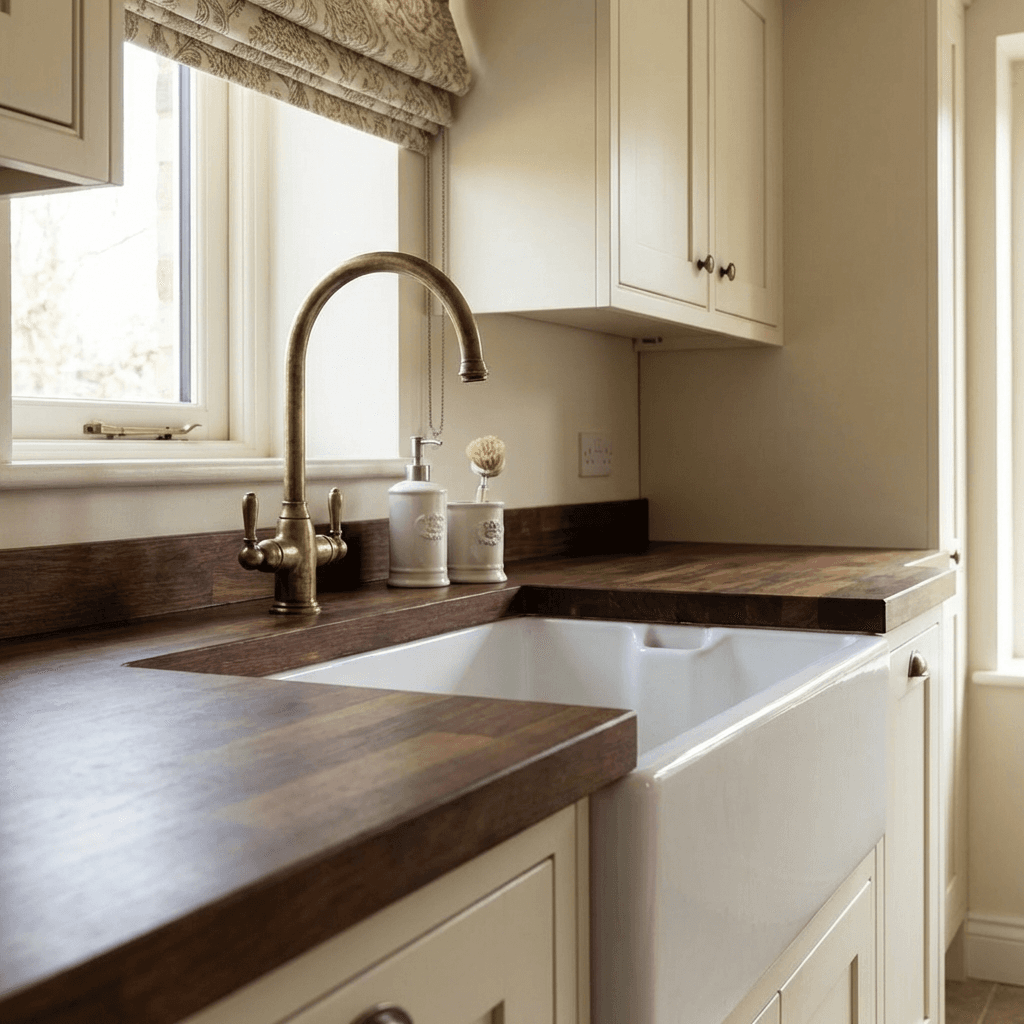
Use a farmhouse or undermount sink in fireclay
A large apron-front (farmhouse) sink in white fireclay is both practical and beautiful in a traditional kitchen. The exposed front panel becomes a design element, especially framed by paneled cabinet doors on either side. If the farmhouse style feels too rustic, a deep undermount sink preserves the traditional feel with a slightly more refined look.

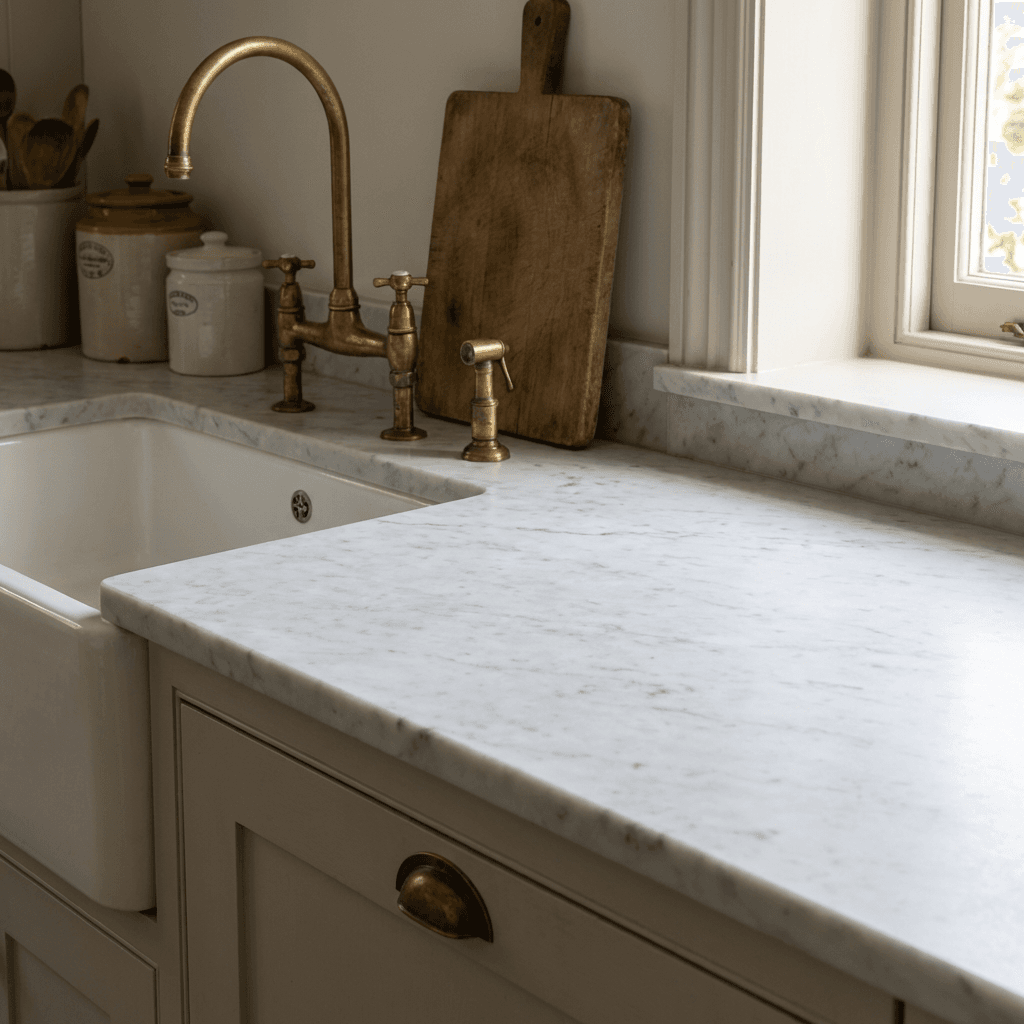
Choose natural stone or honed marble countertops
Honed marble, granite, or soapstone countertops bring authentic warmth and depth to a traditional kitchen. Honed finishes feel more period-appropriate than polished mirror-gloss. Carrara marble with its soft gray veining is a classic choice, though granite in warm tones (uba tuba, Venetian gold) offers greater durability for high-use kitchens.

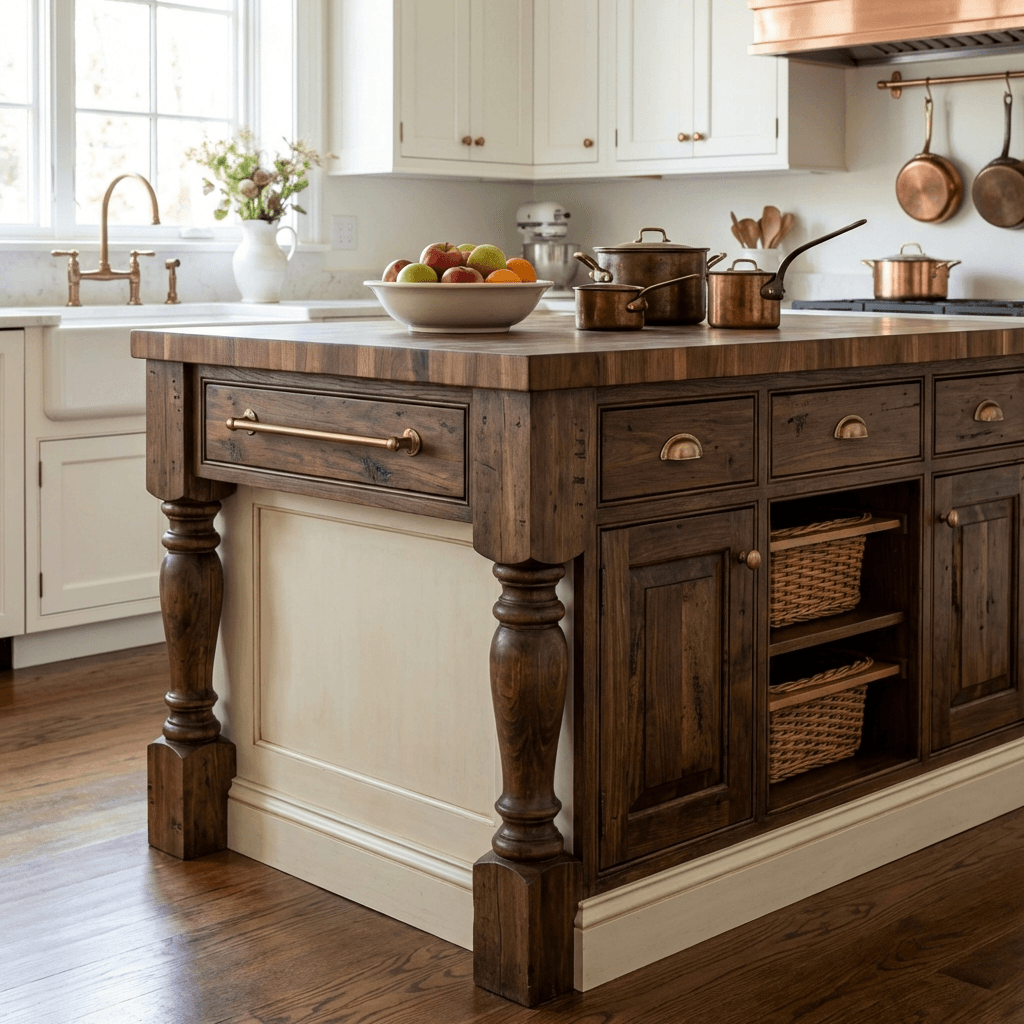
Create a furniture-like island with turned legs and a contrasting finish
Instead of a monolithic block, design the island to look like a freestanding piece of furniture. Add turned legs at the corners, use a different finish or wood species than the perimeter cabinets, and top it with a contrasting countertop — butcher block on the island, marble on the perimeter. This unfitted approach is deeply rooted in traditional kitchen design.
Furniture Recommendations
Key pieces for the perfect Traditional kitchen

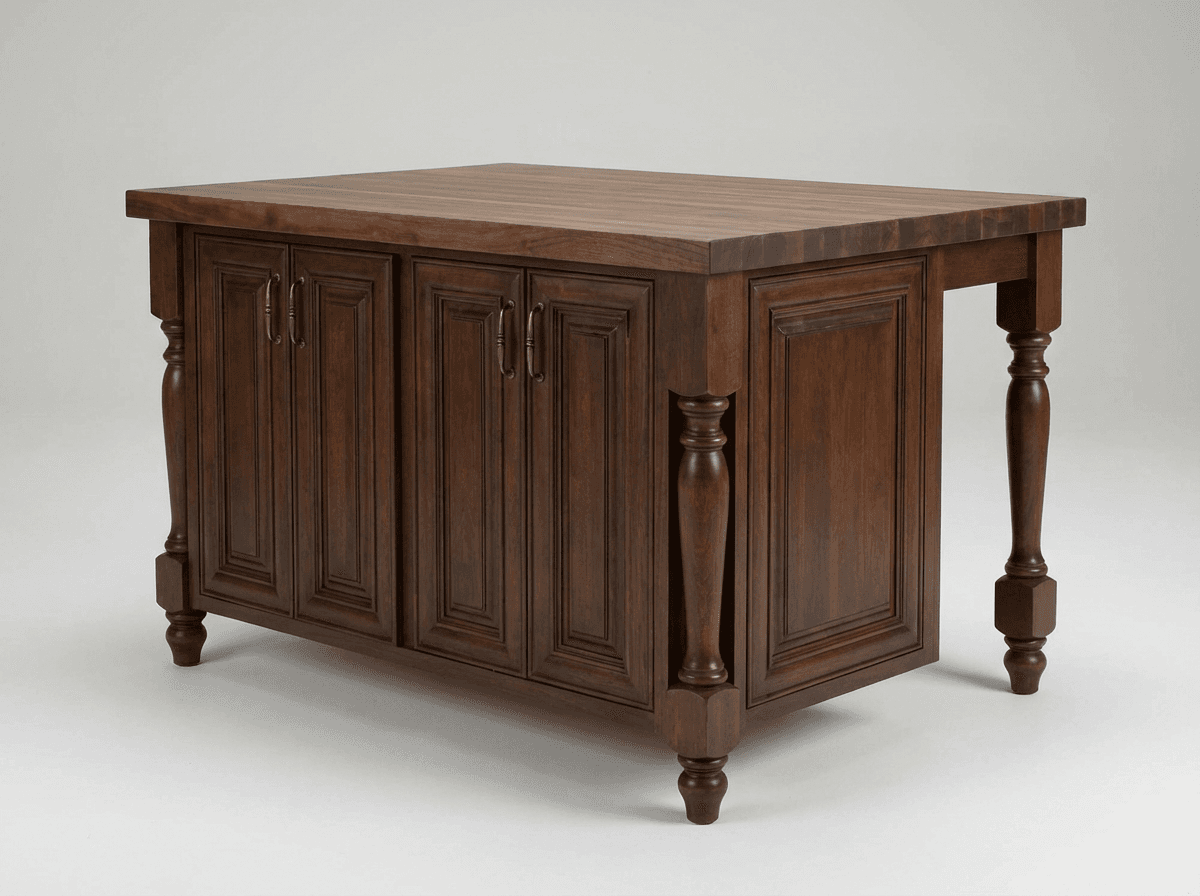
Raised-panel kitchen island with turned legs
A kitchen island with raised-panel sides, turned or fluted legs at each corner, and a contrasting countertop — often butcher block or honed marble. The island should include open shelving on one end for displaying cookbooks or stoneware. A 180-240 cm island provides ample prep space and seating for three on one side.

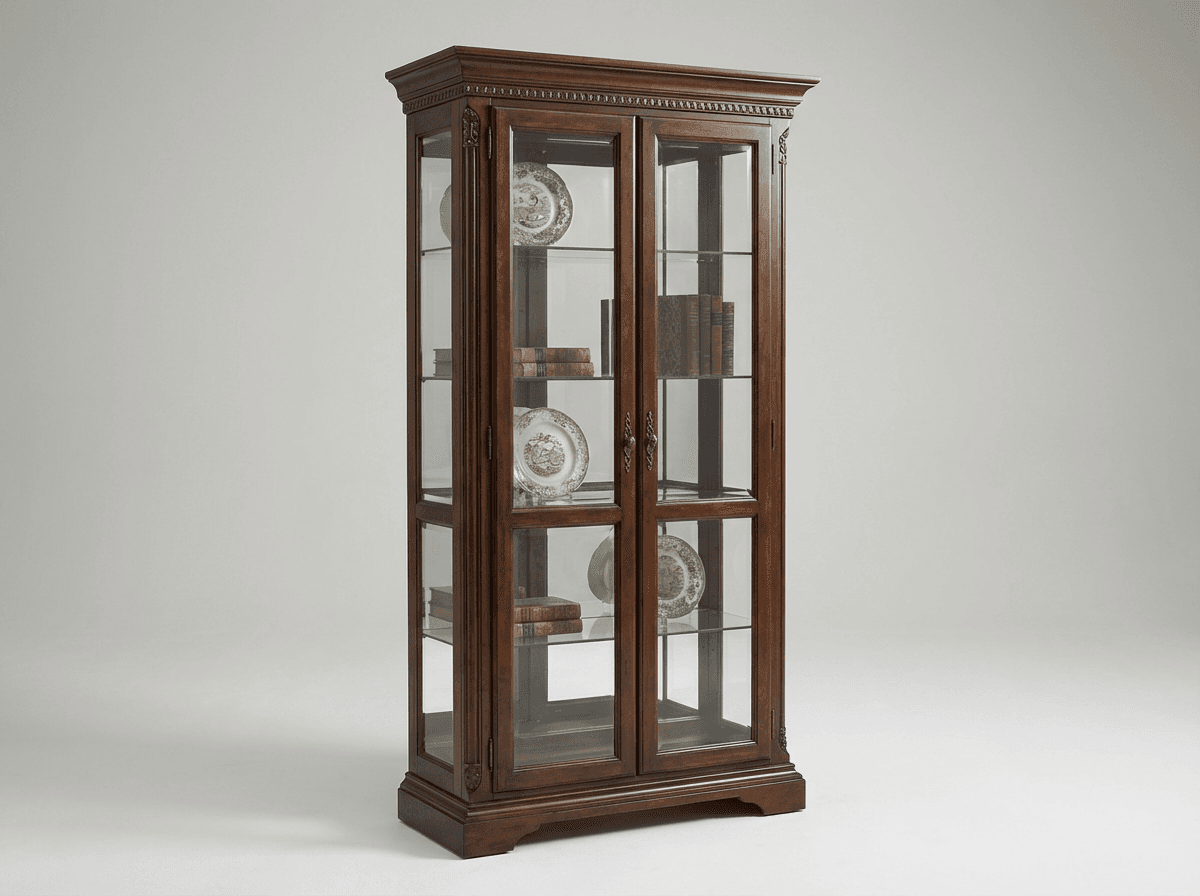
Glass-front display cabinet
Upper cabinets with mullioned glass doors for displaying china, glassware, and serving pieces. The glass panels are divided by thin wooden muntins in a grid pattern, and interior cabinet lighting (warm LED strips) makes the display glow. Position these flanking the range hood or sink window for symmetry.

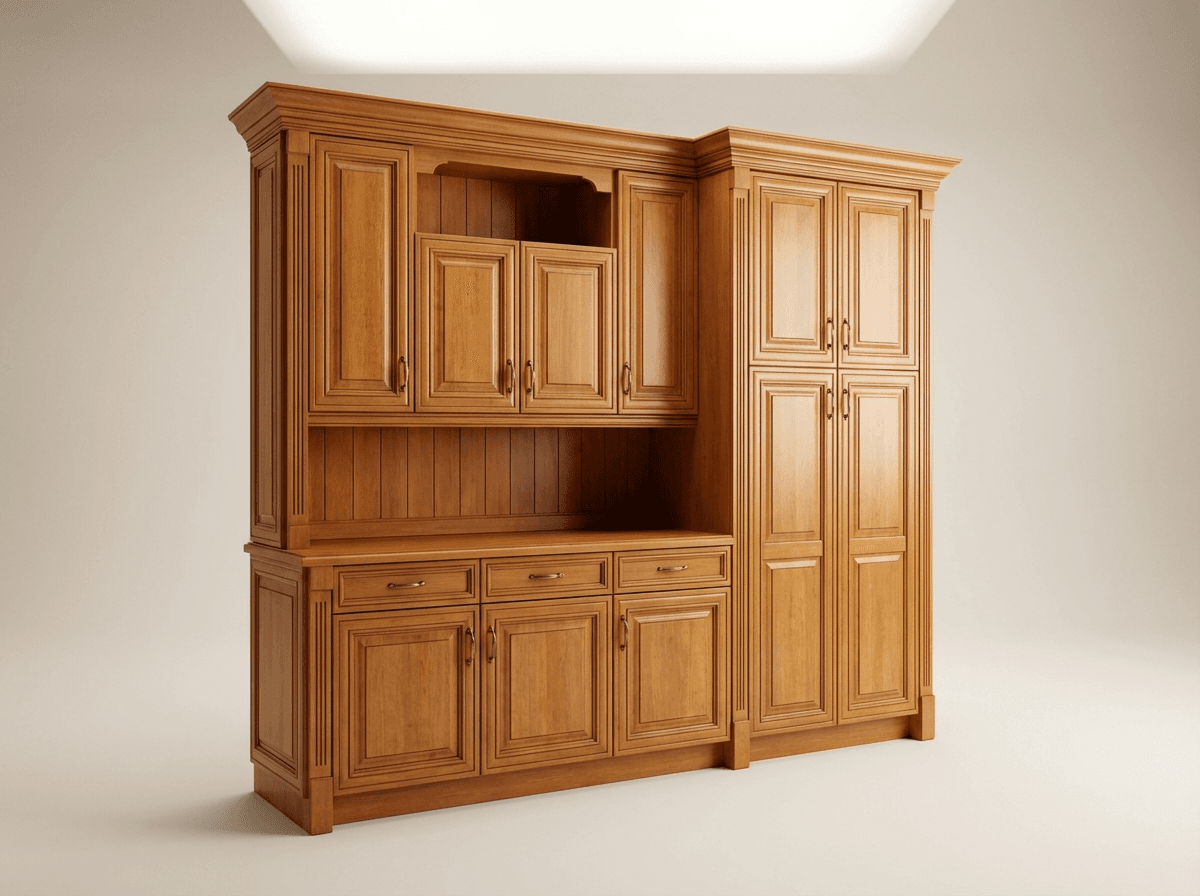
Built-in hutch or pantry cabinet
A tall, floor-to-ceiling cabinet with upper glass doors, a countertop-height work surface, and lower paneled doors. Traditionally positioned near the dining area, the hutch provides coffee-station functionality, extra countertop space, and display storage. Finish it in the island's contrasting color to tie the room together.

This Room in Every Style
Explore more design styles for your kitchen
More Traditional Rooms
See Traditional design in other rooms
Frequently Asked Questions
Alles, was Sie über RoomLift wissen müssen — für Designer, Makler und alle, die Räume mit AI transformieren.
- How do I make a traditional kitchen feel updated?
- Keep the architectural details (raised panels, crown molding, turned legs) but lighten the palette. Paint cabinets in warm white, soft gray, or sage instead of heavy dark stain. Use honed rather than polished stone, swap ornate hardware for simple brass knobs, and add modern lighting like clean-lined brass pendants over the island.
- What countertop is best for a traditional kitchen?
- Honed marble, granite, or soapstone are the most authentic choices. Honed Carrara marble offers timeless beauty but requires sealing and accepts patina over time. Granite is more durable for busy kitchens. Soapstone in dark charcoal provides a historical look and develops a beautiful patina. Avoid engineered quartz with bold veining that reads as contemporary.
- What cabinet color is classic for a traditional kitchen?
- Ivory, cream, and warm white are the most popular and versatile. Rich stained wood in cherry, walnut, or maple is authentic for more formal kitchens. Two-tone schemes — white perimeter with a navy or green island — are a popular way to add depth while keeping the room bright.
- How do I add character to a plain kitchen with traditional details?
- Add crown molding to the top of existing cabinets, install a beadboard backsplash, replace hardware with brass or oil-rubbed bronze pulls, and add furniture legs to the island. These changes can transform flat-panel stock cabinets into something that reads as traditional without a full remodel.
- What lighting works in a traditional kitchen?
- A pair of lantern pendants or brass bell-jar fixtures over the island, recessed lights for general illumination, and under-cabinet task lighting. A small chandelier or semi-flush fixture near the breakfast nook adds formality. All metals should match or coordinate — oil-rubbed bronze, antique brass, or polished nickel.
No credit card required. 10 free renders.