Virtual Staging vs Real Staging: Which Sells Faster?
Jun 15, 2026 · 9 min read
Virtual staging vs real staging: virtual costs ~$1-5 per photo in under 60 seconds vs $500-3,000 per room. Here's which one actually sells a home faster.
Virtual staging vs real staging comes down to a simple trade-off: virtual staging is far cheaper and faster, while real staging adds physical impact buyers can experience in person. For most listings, virtual staging sells a home faster because staged photos are ready in minutes and 90% of buyers start their search online, where the listing photos do the heavy lifting. Real staging earns its higher cost mainly on luxury homes and properties where the in-person walkthrough decides the sale. Here is the full head-to-head.
Virtual Staging vs Real Staging at a Glance
Before the details, here is the direct comparison across the five factors that actually decide which option to use:
| Factor | Virtual staging | Real (physical) staging |
|---|---|---|
| Cost | $1-5 per image (AI); $25-100 per image (designer) | $500-3,000 per room / month |
| Speed | Photos ready in under 60 seconds to 48 hours | 3-5 days to schedule and set up |
| In-person impact | None, rooms still look empty at showings | Strong, furniture is physically present |
| Flexibility | High, multiple styles, instant edits, no extra cost | Low, one look per furniture order |
| Disclosure | Required (label altered photos) | Not required |
The pattern is clear. Virtual staging wins on cost, speed, and flexibility. Real staging wins on in-person impact. Disclosure is a wash, a quick label, not a dealbreaker. Which advantage matters more depends entirely on how buyers will encounter the home.
What Each One Actually Is
Real staging means physically furnishing a property with rented furniture, art, rugs, and accessories, professionally arranged to highlight the space. A stager visits, designs the layout, delivers and installs the pieces, and removes them after the sale. It is the traditional method, and it produces a home buyers can walk through and feel.
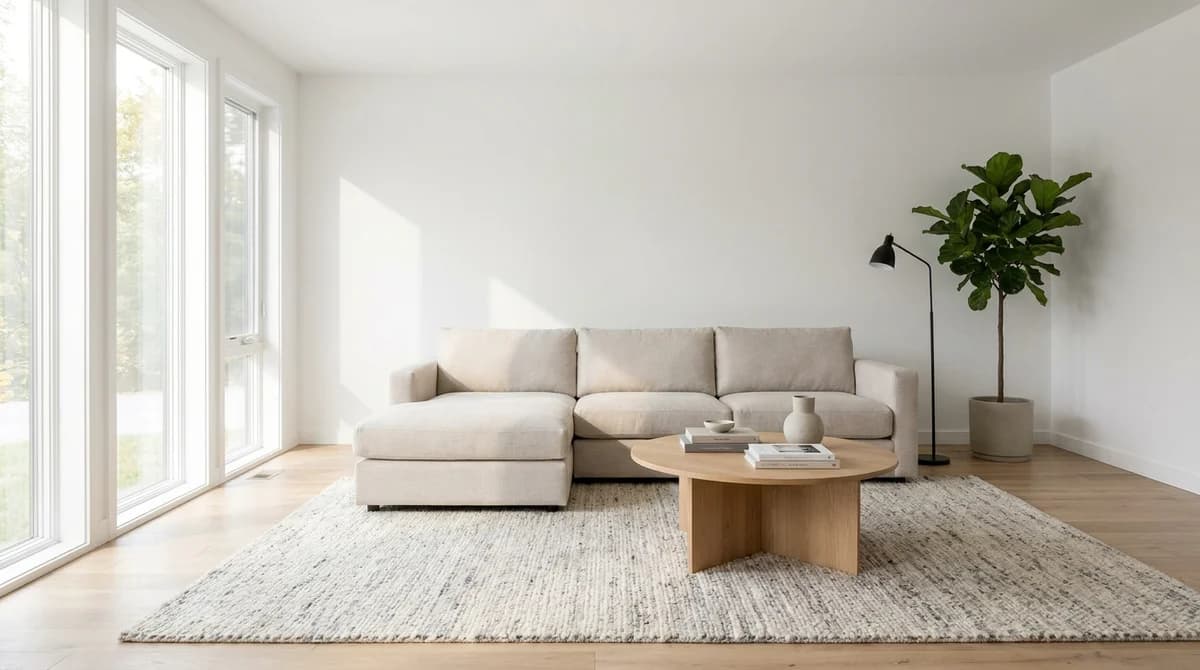
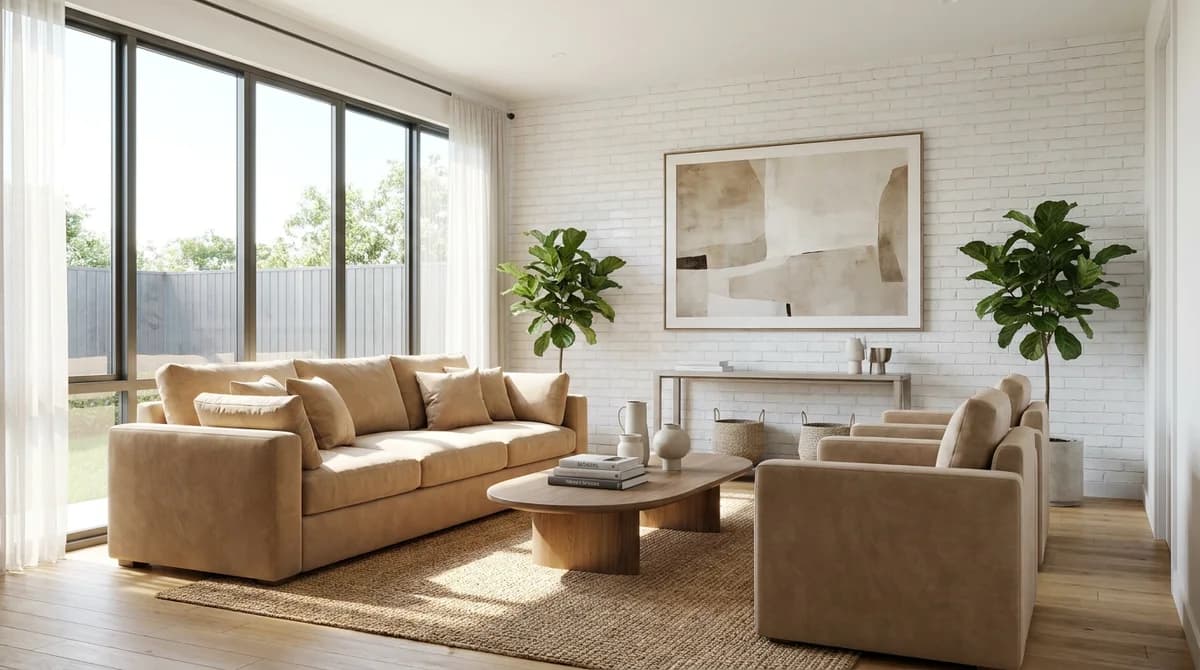
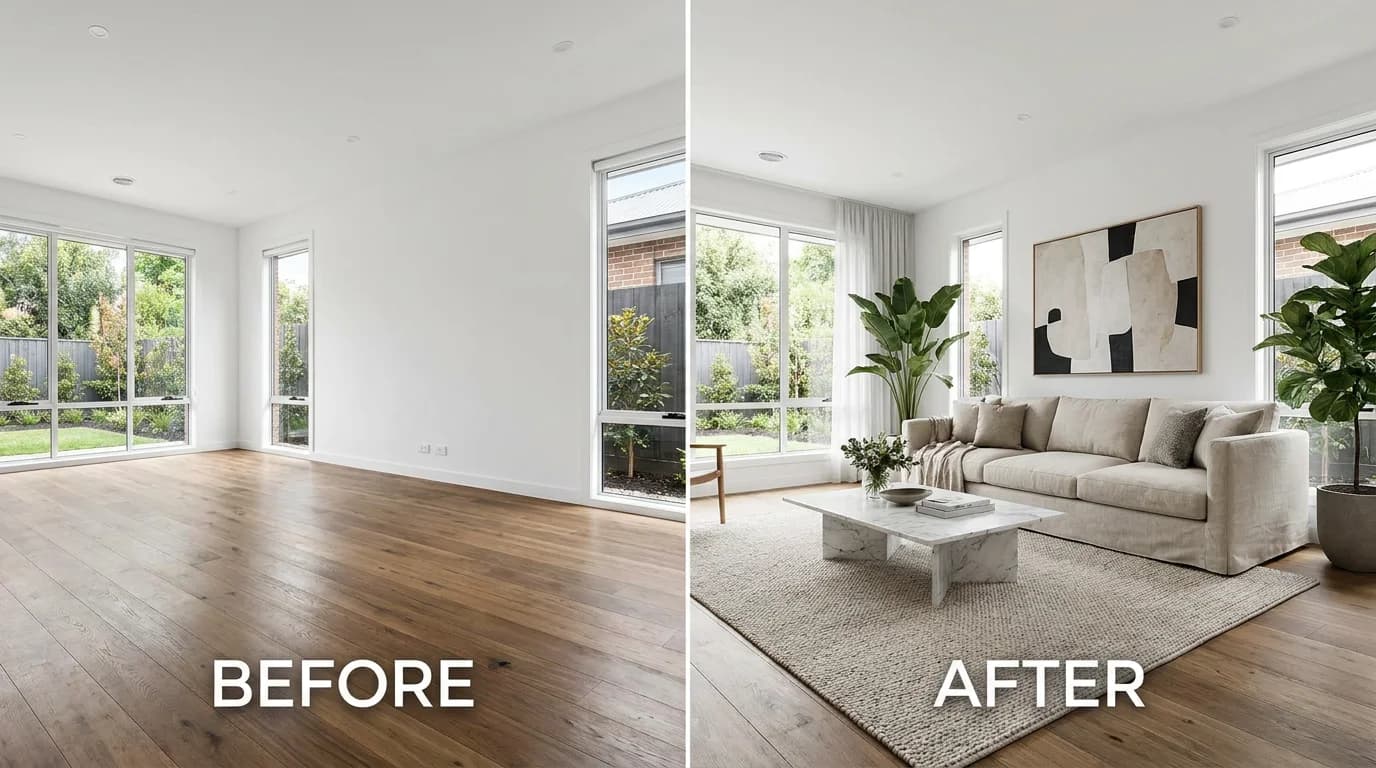
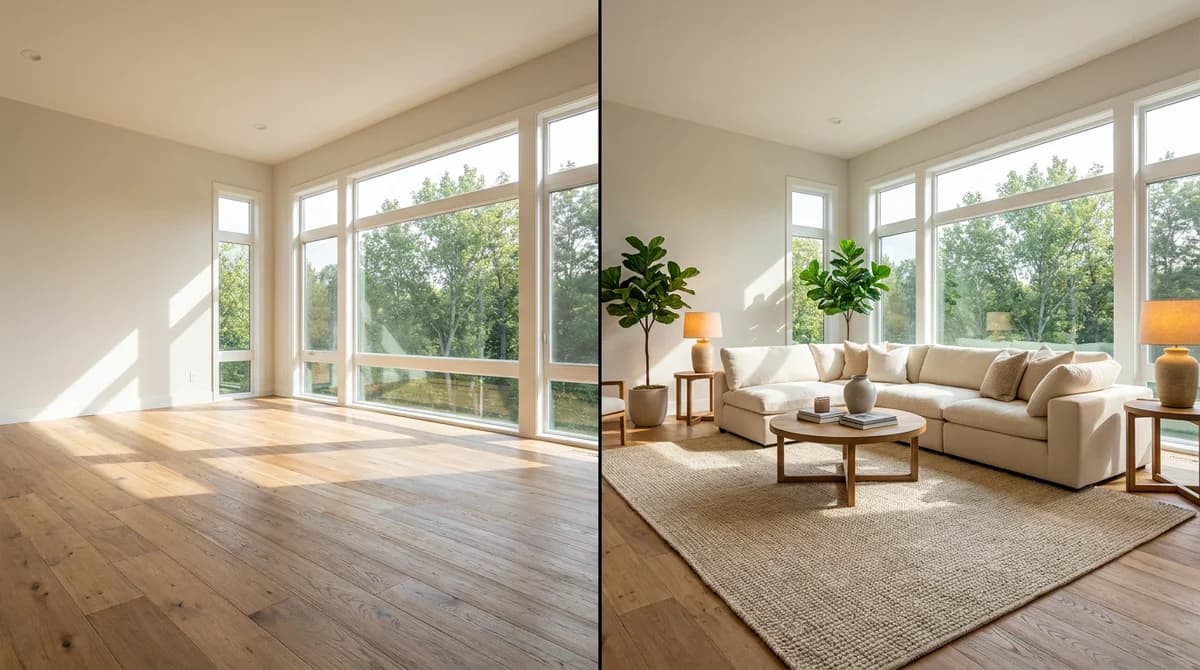
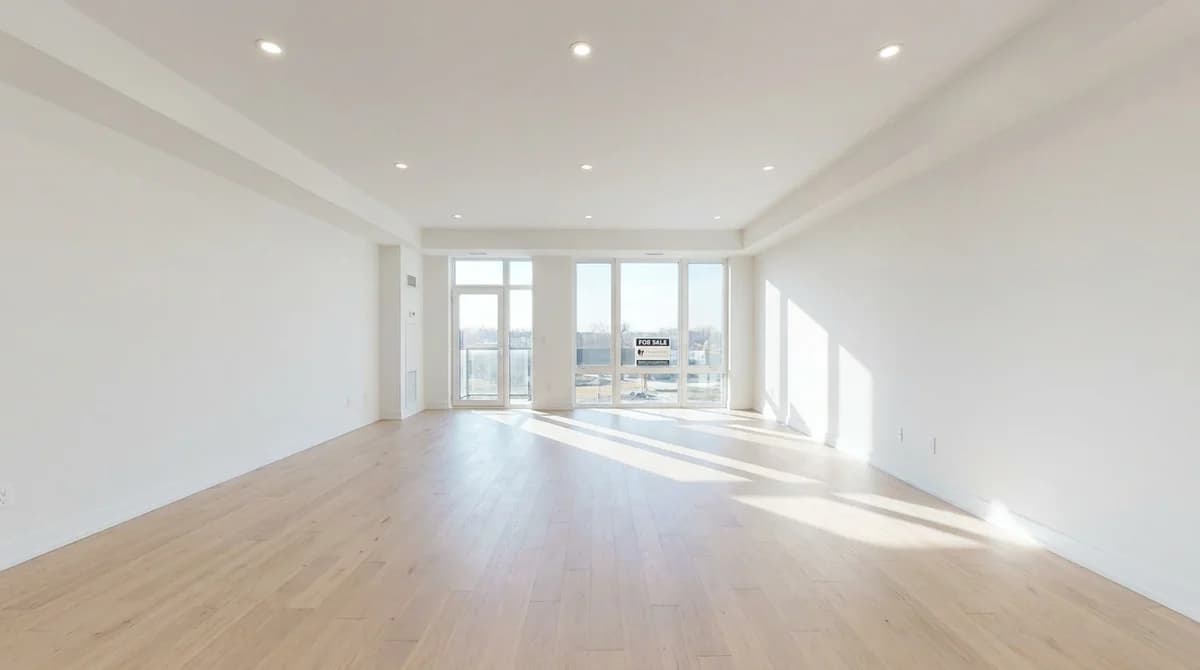
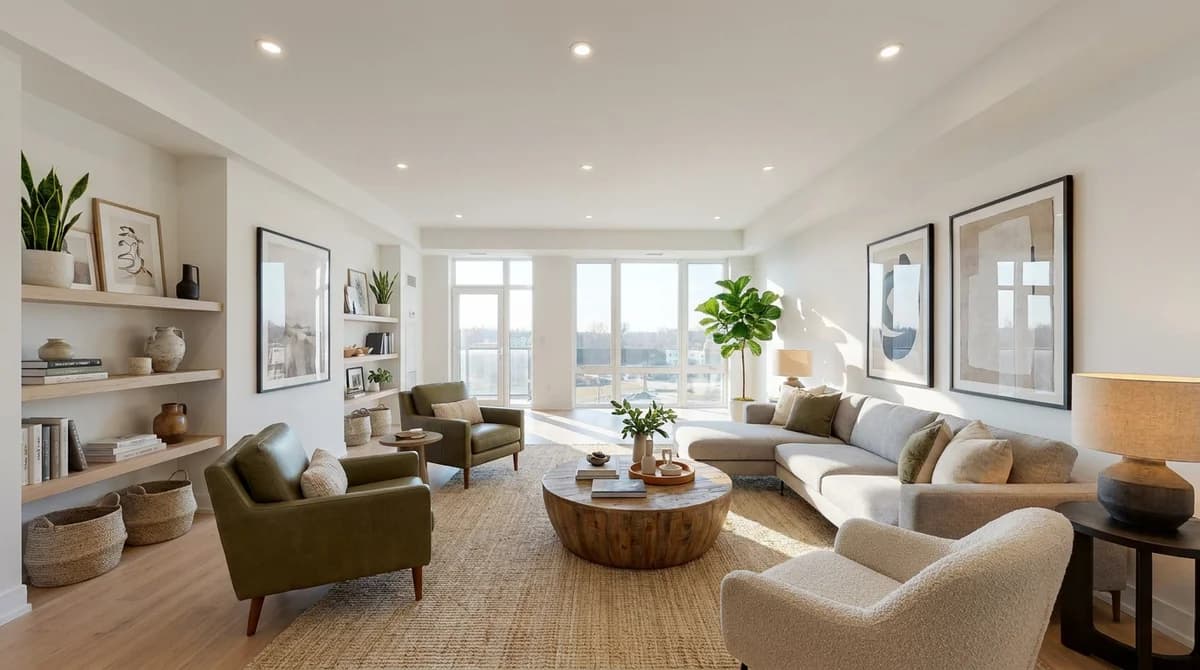
Virtual staging digitally adds furniture and decor to photos of an empty room. With AI tools, you upload a listing photo, choose a style, and the software renders a photorealistic furnished version of that exact room in under a minute. The physical space stays empty; only the photos change. For a fuller picture of the trade-offs, see our honest cost-benefit breakdown.
Cost: Virtual Staging Is Roughly 95% Cheaper
Cost is the single biggest reason agents switch. The gap is not marginal, it is an order of magnitude.
| Option | Typical cost | What you get |
|---|---|---|
| AI virtual staging | $1-5 per image | Photorealistic staged photo in under 60 seconds |
| Designer-led virtual staging | $25-100 per image | Human-edited staged photo in 24-48 hours |
| Physical staging | $500-3,000 per room / month | Real furniture installed for showings |
A four-photo virtual staging job for an entire home can cost less than $20. Staging that same home physically, living room, primary bedroom, dining room, can run several thousand dollars before the home even hits the market, with monthly rental fees stacking up the longer it sits. For the full breakdown, see how much virtual staging costs.
The cost difference matters most on the listings agents are most reluctant to stage: lower-priced homes where a $2,000 staging bill eats real margin. Virtual staging lets you stage every listing for the cost of a coffee, including the ones that never penciled out for physical staging.
Speed: Minutes vs Days
Listings live and die by their first 48 hours on the market, when the most buyer attention arrives. Physical staging takes 3-5 days just to schedule a stager, order furniture, and install it, often after the photographer has already come and gone. That can mean launching a listing with empty rooms or delaying the launch entirely.
AI virtual staging removes that bottleneck. You can stage every photo the same day the photographer delivers them, so the listing goes live fully furnished from hour one. Since the National Association of Realtors reports that staged homes sell faster than non-staged ones, getting staged photos out immediately compounds that advantage rather than fighting against a slow setup.
In-Person Impact: Where Real Staging Wins
This is the one category where real staging is genuinely better, and it is worth being honest about. Virtual staging only changes the photos. If a buyer walks through a vacant home in person, the rooms still look empty, no matter how beautiful the listing photos were.
Real staging fills the space buyers physically stand in. They feel the scale, sit on the sofa, and picture their life there. For luxury listings and any property where showings drive the decision, that tangible experience can be worth the premium. The Real Estate Staging Association reports staged homes sell for 1-5% more on average, and on a high-value home that lift can dwarf the staging cost.
The practical takeaway: virtual staging sells the click and the showing request; physical staging sells the walkthrough. Match the method to where your buyers actually decide.
Flexibility: One Look vs Many
Physical staging gives you one design. Once the furniture is in, changing the style means a new order and another bill. If the first look does not land with your buyer pool, you are mostly stuck with it.
Virtual staging is the opposite. You can render the same empty room as modern, transitional, or coastal, A/B test which style draws more interest, and swap furniture in seconds. Targeting young professionals on one listing and downsizing retirees on the next costs nothing extra. That flexibility is why virtual staging for real estate has become standard for agents managing many listings at once.
Disclosure: A Label, Not a Dealbreaker
One real difference: physical staging requires no disclosure because the furniture is actually there, while virtual staging does. Virtual staging is legal in all US states, but most MLSs require you to label digitally altered photos and recommend including at least one unaltered shot of each room.
Done right, this is a non-issue, a simple "virtually staged" caption maintains trust. Done wrong, with unrealistic furniture that misrepresents the space, it can backfire at showings. The rule for both methods is the same: never misrepresent the home's actual size, condition, or layout. Our virtual staging legal guide covers exactly how to disclose by state and MLS.
The Verdict: Which Sells Faster?
For the typical listing, virtual staging sells faster. It puts staged, scroll-stopping photos in front of the 90% of buyers who shop online, on day one, at a fraction of the cost, with the freedom to test multiple styles. Since most buying decisions start with the listing photos, speed-to-staged-photos is the lever that moves sale timelines most.
Real staging is the better choice when the in-person walkthrough carries the decision: luxury homes, properties with heavy showing traffic, or sellers who want every room furnished for visitors. And the two are not mutually exclusive, the smartest play is often to virtually stage every photo for the online listing and add light physical touches for showings, capturing the cost and speed of virtual with the in-person warmth of real.
If you are deciding for a specific listing, the fastest way to judge is to see it. You can virtually stage a property photo and compare the result against your empty room before spending a dollar on furniture. Want the per-photo numbers first? Our guide on how much virtual staging costs breaks down pricing by tool and turnaround.
Frequently Asked Questions
Virtual staging vs real staging, which sells a home faster?
For most listings, virtual staging sells faster because staged photos are ready in minutes instead of the 3-5 days physical staging takes to set up, and 90% of buyers start their search online. Since staged homes sell faster than non-staged ones, getting staged photos live immediately compounds that advantage. Physical staging only sells faster when the in-person walkthrough drives the decision, such as on luxury listings.
How much does virtual staging cost vs real staging?
AI virtual staging costs about $1-5 per image in under 60 seconds, and designer-led virtual staging runs $25-100 per image. Physical staging costs $500-3,000 per room per month plus setup. A whole-home virtual staging job often costs less than staging a single room physically, roughly 95% cheaper.
Is virtual staging as effective as real staging?
For online listings, yes. 81% of buyers say staging makes it easier to picture a home as their own, and that visualization happens through the photos. Real staging adds value buyers experience in person at showings, so the gap only matters for properties where the walkthrough drives the decision.
Do you have to disclose virtual staging but not real staging?
Yes. Real staging needs no disclosure because the furniture is physically present. Virtual staging is legal in all US states, but most MLSs require you to label altered photos as "virtually staged" and include some unaltered images. Neither method may misrepresent the home's size or condition.
Can you combine virtual staging and real staging?
Yes. A common approach is to virtually stage every listing photo for the online presentation and add light physical touches like flowers or a few accent pieces for in-person showings. This captures the cost and speed of virtual staging while keeping the showing experience warm.
When is real staging worth the extra cost?
Real staging is worth it for luxury listings where buyers expect a furnished walkthrough, vacant homes with heavy in-person traffic, and sellers who want the space to feel lived-in at showings. In those cases the $500-3,000 per room is justified by in-person impact that virtual staging cannot deliver.
Ready to transform your listings?
Stage your first room in 20 seconds. No design skills needed.