Modern vs Contemporary Interior Design: The Real Difference
Jul 8, 2026 · 8 min read
Modern vs contemporary interior design confuses everyone. The difference is simple: modern is a fixed historical style; contemporary is whatever is current.
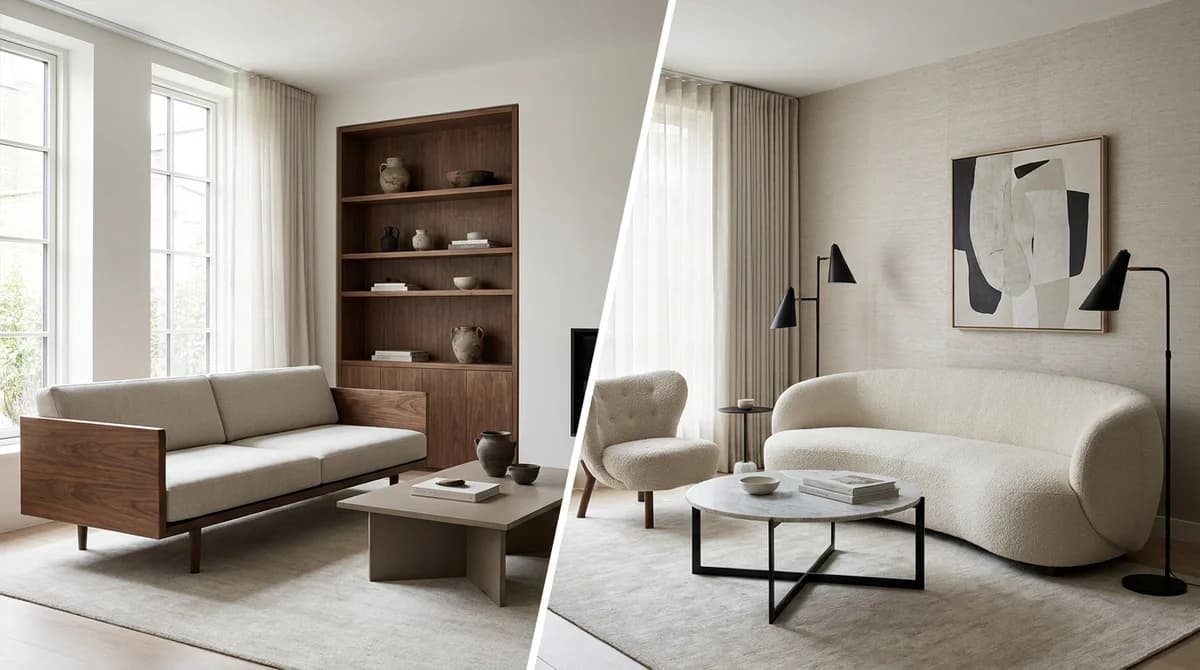
Modern and contemporary interior design get used as synonyms constantly, but they are not the same thing. The real difference is simple: modern is a specific historical style from the early-to-mid 1900s with a fixed look, while contemporary means whatever is in style right now and changes every few years. This guide breaks down exactly what separates them, how to tell them apart at a glance, and which one suits your space.
Modern vs Contemporary: The One-Sentence Answer
Modern interior design is a defined movement; contemporary interior design is a moving target.
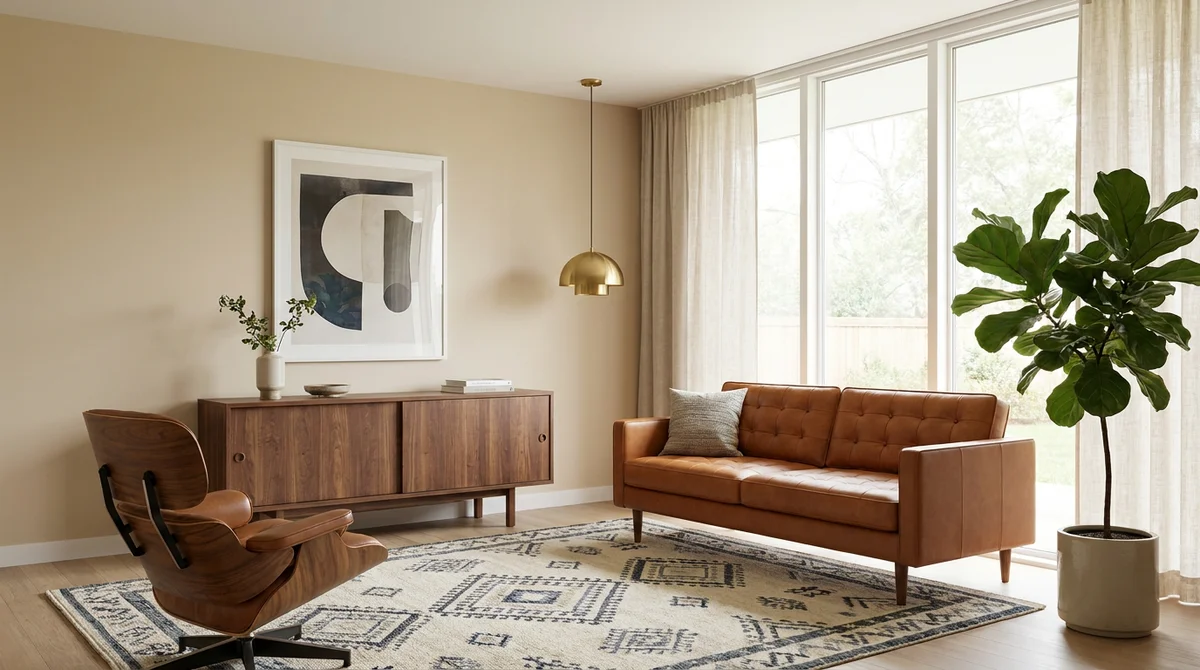
Modern design refers to a particular era, roughly the 1920s through the 1950s, including mid-century modern, with clean lines, natural materials, warm woods, and functional forms. That look is locked in. A modern room designed today follows the same rules it did seventy years ago.
Contemporary design, by contrast, simply means the current style of the present day. It borrows from many movements and evolves constantly. The contemporary look of 2026 is softer, curvier, and more neutral than the contemporary look of 2015, and it will shift again by 2030. The word "contemporary" will always describe whatever is fashionable at the moment you read it.
What Defines Modern Interior Design
Modern design grew out of early-20th-century movements like Bauhaus and Scandinavian design, then peaked with mid-century modern in the 1950s and 60s. Its hallmarks are consistent and recognizable:
- Clean, straight lines with strong horizontal and geometric forms.
- Warm natural materials, walnut, teak, leather, and wool feature heavily.
- Functional furniture with tapered legs and minimal ornamentation.
- A warm neutral palette with earthy accents like mustard, olive, and rust.
- Open, uncluttered layouts where every piece earns its place.
- Iconic furniture silhouettes such as the molded lounge chair or low-profile sofa.
Because the style is anchored to a defined era, it never goes out of fashion the way trend-driven looks do. If you want the full breakdown of this aesthetic, see our mid-century modern interior design guide.
What Defines Contemporary Interior Design
Contemporary design has no fixed rulebook because it reflects current taste. Right now, in the mid-2020s, contemporary interiors tend to share these traits:
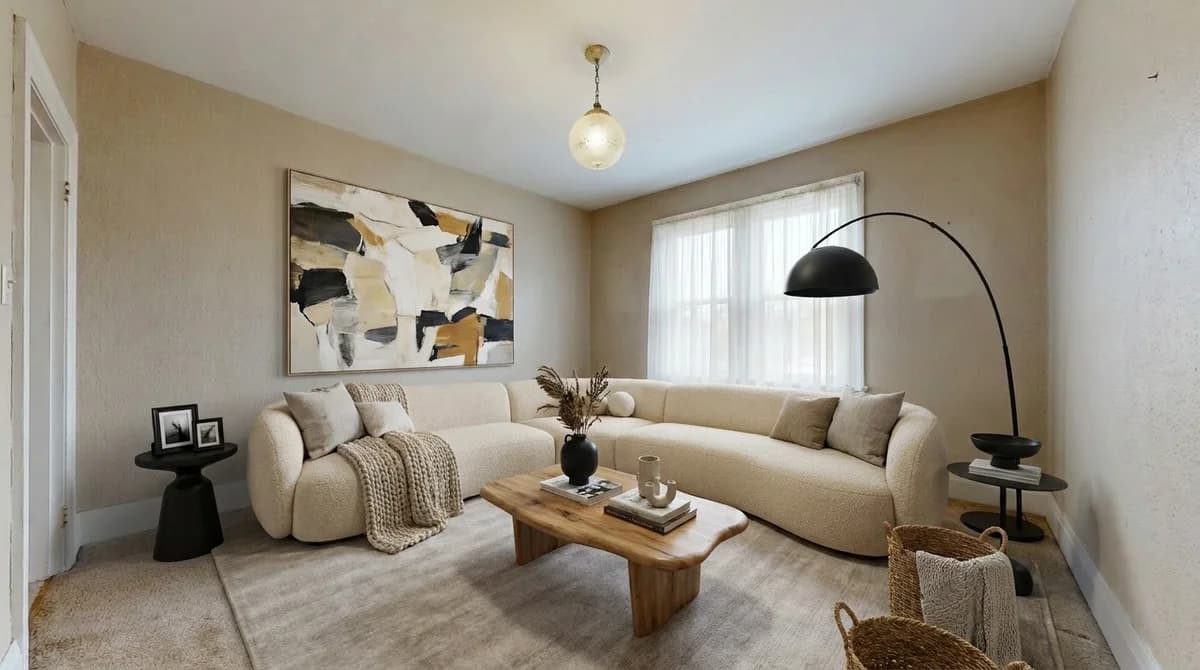
- Soft, organic, curved shapes, think boucle sofas with rounded arms.
- A cool, calm neutral palette of greige, soft white, warm gray, and black.
- Mixed and current materials like matte metals, fluted wood, and natural stone.
- Large-scale abstract art and sculptural lighting as focal points.
- Negative space and restraint, with fewer but larger statement pieces.
- A move-in-ready, polished feel that photographs well for listings and social media.
The defining feature is impermanence. Whatever designers and manufacturers are leaning into this year becomes contemporary by definition. That makes the style feel fresh, but it also means a heavily contemporary room can start to look dated faster than a modern one.
Modern vs Contemporary: Side-by-Side Comparison
Here is the distinction in a single view:
| Attribute | Modern | Contemporary |
|---|---|---|
| Time period | Fixed: 1920s-1950s | Always the present day |
| Changes over time | No, it is locked | Yes, evolves every few years |
| Lines | Clean, straight, geometric | Soft, curved, organic |
| Palette | Warm neutrals, earthy accents | Cool neutrals, greige, black |
| Materials | Walnut, teak, leather, wool | Boucle, matte metal, stone, fluted wood |
| Mood | Warm, retro, grounded | Sleek, current, polished |
| Risk of dating | Low (timeless) | Higher (trend-driven) |
| Best for | A look that lasts decades | A space you update often |
The simplest mental shortcut: if a room looks the same as it would have in 1955, it is modern. If it looks unmistakably like this year, it is contemporary.
Can You Mix Modern and Contemporary?
Yes, and most well-designed homes actually do. Pairing the warm woods and clean silhouettes of modern with the soft, current shapes of contemporary produces a balanced look that designers call transitional. The trick is committing to one consistent neutral palette so the two influences read as a single intentional room rather than two styles fighting each other. We cover that blend in depth in our transitional interior design guide, and you can see how every aesthetic relates in our interior design styles guide.
Which Style Suits You?
The choice comes down to how you want a space to feel and how often you want to refresh it.
Choose modern if:
- You love warm woods, mid-century silhouettes, and a grounded, lived-in feel.
- You want a look that stays consistent and rarely needs updating.
- You prefer investment furniture that holds its value over time.
Choose contemporary if:
- You prefer soft, current shapes and a cool, polished palette.
- You enjoy refreshing your space as trends evolve.
- You are staging a home for sale and want the broadest, most current appeal.
A note for sellers and agents
If your goal is resale rather than personal taste, lean contemporary and neutral. A clean, current, move-in-ready look photographs best and appeals to the widest pool of buyers. The data backs this up: staged homes sell faster than non-staged ones according to the National Association of Realtors, the Real Estate Staging Association reports staged homes sell for 1 to 5 percent more on average, and 81 percent of buyers say staging makes it easier to picture a home as their own.
See Both Styles in Your Own Room
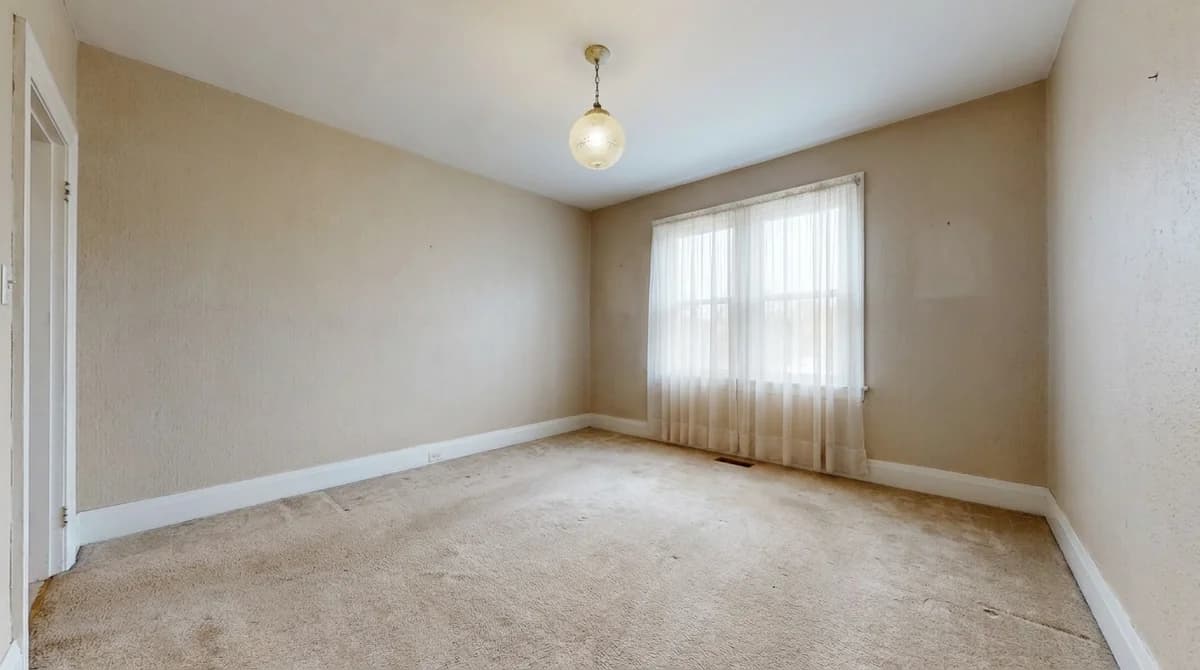
The fastest way to settle the modern-versus-contemporary question is to stop imagining and start comparing. With RoomLift, you can upload a photo of any room and generate a photorealistic modern version and a contemporary version in under 60 seconds each, then judge them side by side in your actual space.
That is far cheaper than guessing: AI rendering costs roughly $1 to $5 per image versus $25 to $100 for a designer-led render or $500 to $3,000 to physically stage a single room. For agents staging a vacant listing, you can virtually stage a property photo in either style and pick whichever drives more interest. Test the look before you spend a cent on furniture.
Frequently Asked Questions
What is the difference between modern and contemporary interior design?
Modern interior design is a specific historical style from the early-to-mid 1900s with clean lines, natural materials, and a fixed look that does not change. Contemporary interior design means whatever is fashionable right now, so it shifts every few years. Modern is a permanent style from a defined era; contemporary is a moving target that always reflects the present.
Is modern or contemporary more expensive?
Neither is inherently more expensive. Authentic modern design can cost more because original or reproduction mid-century pieces hold their value, while contemporary rooms can be furnished affordably with current collections. Budget depends far more on materials and brands than on which of the two styles you pick.
Can you mix modern and contemporary design?
Yes, and most real homes do. Blending the warm woods and clean silhouettes of modern with the soft current shapes of contemporary creates a balanced look that designers call transitional. Keep one consistent neutral palette so the two influences read as a single cohesive room.
Is contemporary the same as modern?
No. People use the words interchangeably, but modern refers to one defined movement from roughly the 1920s to the 1950s, while contemporary means the prevailing style of today. A modern room looks the same in 2026 as it did in 1955; a contemporary room looks different every five to ten years.
Which style is better for resale value?
Contemporary and broadly neutral staging usually appeals to the widest pool of buyers because it feels current and move-in ready. Staged homes sell faster according to the National Association of Realtors, and the Real Estate Staging Association reports staged homes sell for 1 to 5 percent more on average. A clean, current look photographs best.
How do I know which style suits my home?
Choose modern if you love warm woods, mid-century silhouettes, and a look that stays consistent for decades. Choose contemporary if you prefer soft current shapes and updating your space as trends evolve. The fastest way to decide is to preview both styles on a photo of your actual room and compare them side by side before buying.
Ready to transform your listings?
Stage your first room in 20 seconds. No design skills needed.