Commerciële vastgoedfotografie: complete prijsgids
Aug 14, 2026 · 12 min leestijd
Commerciële vastgoedfotografie betaalt 2 tot 5 keer beter dan woningfotografie. Prijstabellen, licentieregels en luxe-extra's die een hogere prijs rechtvaardigen.
Commerciële vastgoedfotografie levert twee tot vijf keer meer op dan een standaard woningshoot. Dat verschil komt neer op drie dingen: wie er koopt, wat die partij met de beelden mag doen, en hoeveel visuele afwerking het pand vraagt. Een woningshoot van €250 en een zakelijke shoot van €800 kunnen bijna hetzelfde cameratechnische werk vragen: het verschil zit in de klant, de licentie en de deliverables eromheen.
Fotografeer je al een tijd woningen tegen woningtarieven en vraag je je af waarom je factuur nooit boven een bepaald plafond uitkomt? Dan is dit meestal de reden. Deze gids laat zien hoe commerciële en luxe vastgoedfotografie verschillen van woningwerk, wat je voor elk moet vragen, hoe licenties voor gebruiksrechten werken, en hoe je een portfolio bouwt dat premium opdrachten binnenhaalt in plaats van veel kleine klussen.
Commercieel, luxe en residentieel zijn drie verschillende verdienmodellen
Het is verleidelijk om commerciële en luxe vastgoedfotografie te zien als "dezelfde klus, maar dan een groter huis." Dat is het niet. Elke categorie bedient een andere klant met andere verwachtingen, en dat is precies waarom zoveel fotografen jarenlang vastzitten op woningtarieven.
Residentieel werk bedient één makelaar die één woning aan één gezin verkoopt. De klant hecht waarde aan een advertentie die aan alle eisen voldoet, een snelle levering en een prijs die past bij de courtage van die ene transactie. Het gebruik is smal: de foto's bestaan om deze ene woning te verkopen en verdwijnen daarna grotendeels in een la.
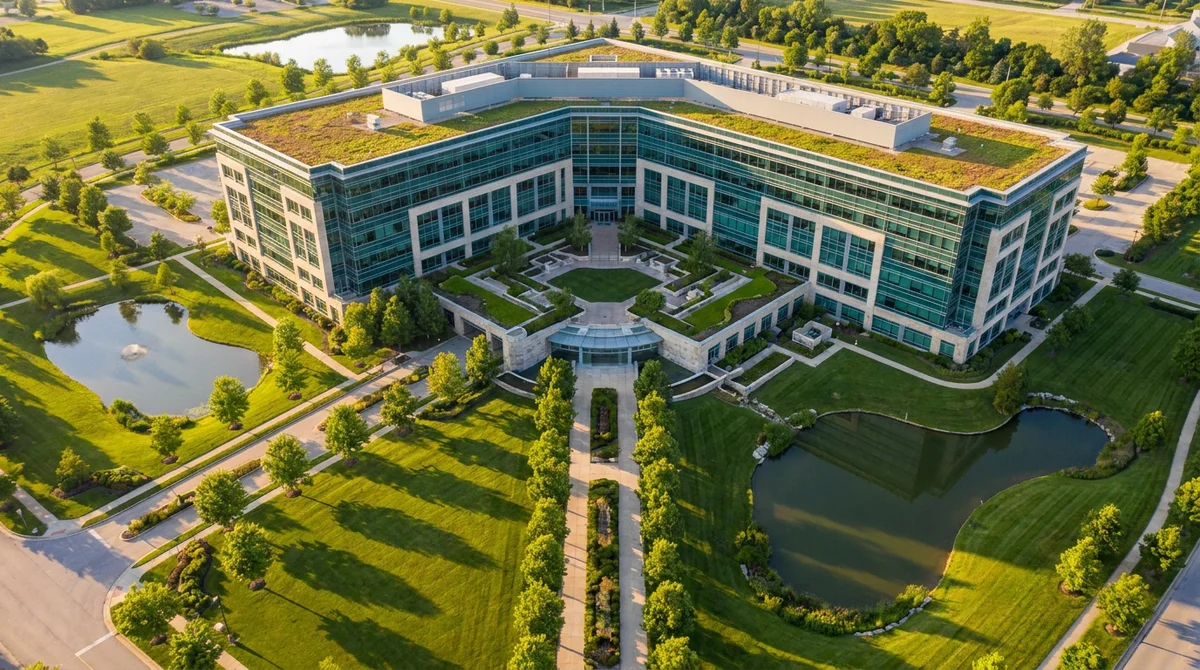
Commercieel werk bedient een bedrijf: een makelaarskantoor, projectontwikkelaar, vastgoedbeheerder of eigenaar die een kantoorpand, winkelcentrum, bedrijfsterrein of multifamily-complex in de markt zet. Die klant heeft de beelden vaak nodig voor een investeringspresentatie, een prospectus, een verhuurwebsite en betaalde social-campagnes die maanden of jaren lopen, niet voor één advertentie. Dat bredere gebruik is precies waarom zakelijke klanten een andere licentie verwachten, en daarvoor mogen betalen.
Luxe fotografie bedient één woning met een hoge waarde, maar de klant (vaak een makelaar die een woning van €1M+ vertegenwoordigt) strijdt om de aandacht van een kleine, kritische groep kopers waarbij de presentatiekwaliteit direct het niveau van de woning uitstraalt. Schemerfoto's, luchtopnames en soms video zijn hier geen upsell. Het is de standaard.
Zo verhouden de drie zich tot elkaar in één oogopslag:
| Factor | Residentieel | Commercieel | Luxe |
|---|---|---|---|
| Gangbare klant | Individuele makelaar | Makelaarskantoor / ontwikkelaar / vastgoedbeheerder | Makelaar van een woning van €1M+ |
| Belangrijkste doel | Woningadvertentie | Marketingpresentaties, verhuurwebsite, lopende campagnes | High-end marketing, print, video |
| Benodigde gebruiksrechten | Licentie voor één advertentie | Verlengde, meerjarige of eeuwigdurende licentie | Eén advertentie, maar bredere mediamix |
| Gangbare omvang shoot | 20-50 foto's | 30-100+ foto's, plattegronden, luchtopnames | 75-150+ foto's, schemerfoto's, luchtopnames, video |
| Gangbare prijs | €150-450 | €300-1.500+ | €500-2.000+ |
| Standaard extra's | Af en toe schemerfoto/drone | Luchtopnames, plattegronden, virtuele rondleidingen | Schemerfoto + luchtopname standaard, video/3D gangbaar |
Het patroon is bij alle drie hetzelfde: het gebruik van de klant bepaalt het prijsplafond, niet de oppervlakte alleen. Een woning van 280 m² en een kantoorunit van 280 m² kosten ongeveer evenveel tijd om te fotograferen, maar de ene wordt aan een gezin verkocht en de andere komt terecht in een verhuurbrochure die twee jaar meegaat. Dat verschil in aanhoudende waarde is wat commerciële en luxe tarieven eigenlijk in rekening brengen.
Prijzen bepalen: residentieel versus commercieel versus luxe
Omdat de klant en het gebruik verschillen, hoort de prijsstructuur dat ook te doen. Woningfotografen werken meestal met een vast tarief of pakketten in tiers per woning (zie onze complete gids voor prijzen in de woningfotografie voor standaard tieropbouw). Commercieel en luxe werk vraagt om een ander model: prijs eerst de kernshoot, en prijs de licentie en de extra's daarna als aparte posten, want zo denken zakelijke klanten toch al over de deliverable.
| Type pand | Gangbaar tarief shoot | Gangbare extra's | Aandachtspunt licentie |
|---|---|---|---|
| Standaard woning (onder de 230 m²) | €150-300 | Af en toe schemerfoto, virtuele styling | Gebruik voor één advertentie verondersteld |
| Luxe woning (€1M+) | €500-2.000+ | Schemerfoto, luchtopname, video, styling | Eén advertentie, maar bredere mediamix en hergebruik in het portfolio van de makelaar apart onderhandeld |
| Klein commercieel (retail, kantoorunit) | €300-600 | Plattegronden, binnen-/buitenfoto's | Verlengd marketinggebruik, vaak 1-2 jaar |
| Groot commercieel (kantoorpand, multi-tenant, bedrijfsterrein) | €600-1.500+ | Luchtopname, virtuele rondleiding, dronevideo, plattegronden | Meerjarige of eeuwigdurende licentie, vaak exclusief voor de eigenaar |
| Hospitality / groot gemengd vastgoed | €1.000-2.500+ | Volledig luchtpakket, video, 3D-rondleiding | Brede, doorlopende marketingrechten over meerdere kanalen |
Twee dingen duwen commerciële en luxe tarieven boven die van woningwerk, zelfs als de shoot zelf ongeveer evenveel uren kost: de reikwijdte van de licentie (hieronder) en de stapel extra's. Schemerfoto's en luchtopnames, in woningwerk vaak optionele extra's, zijn bijna standaard zodra je een woning van €1M+ fotografeert of een verhuurpakket voor een zakelijke verhuurder.
Licenties en gebruiksrechten: waar de meeste fotografen geld laten liggen
Dit is verreweg de grootste reden waarom commercieel werk beter betaalt, en het onderdeel waar de meeste fotografen die doorgroeien vanuit woningwerk het mis hebben. Bij standaard woningfotografie is de impliciete licentie smal: de makelaar promoot deze ene woning op de gangbare advertentie- en syndicatiesites, en de licentie vervalt in de praktijk zodra de woning verkocht is.
Zakelijke klanten hebben iets breders nodig. Een projectontwikkelaar die een nieuw kantoorpand in de markt zet, wil jouw foto's gebruiken in een verhuurbrochure, op de website van het pand, in een presentatie voor investeerders en misschien in betaalde social-advertenties, zolang het pand verhuurd of verkocht wordt. Dat kan jaren duren. Dat is een fundamenteel andere set rechten, en die verdient een eigen prijskaartje.
Een korte uitleg over gebruiksrechten voor commercieel en luxe werk:
- Reikwijdte. Leg precies vast waar de beelden gebruikt mogen worden: alleen de advertentiesite, of de advertentiesite plus print, plus betaalde advertenties, plus de eigen website en social kanalen van de klant.
- Duur. Een licentie voor één advertentie vervalt vanzelf bij verkoop. Een commerciële licentie hoort een looptijd te specificeren (één jaar, drie jaar, of eeuwigdurend), omdat het pand mogelijk voor onbepaalde tijd in de markt staat.
- Exclusiviteit. Zakelijke klanten willen soms exclusief gebruik, wat betekent dat je afspreekt dezelfde beelden (of vergelijkbare opnames van hetzelfde pand) niet ook aan een concurrerend makelaarskantoor of platform te licenseren.
- Buyouts. Een volledige buyout, waarbij de klant onbeperkte rechten op de beelden krijgt, is fors duurder dan een standaardlicentie en hoort als aparte post op de offerte te staan, niet stilletjes verwerkt in het shoottarief.
- Credits en portfoliogebruik. Ook na het licenseren van beelden aan een zakelijke klant hoor je in de meeste contracten het recht te behouden om het werk in je eigen portfolio en marketing te gebruiken, want dat is precies het bewijs waarmee je de volgende commerciële opdracht binnenhaalt.
Kort gezegd: als een zakelijke klant je beelden breder en langer gebruikt dan een gewone woningadvertentie, hoort je factuur dat te weerspiegelen nog voordat je het over oppervlakte of extra's hebt. Fotografen die commercieel werk tegen woningtarieven aanbieden, prijzen niet alleen de shoot te laag. Ze geven licentiewaarde weg waar de klant toch al budget voor had gereserveerd.
Voeg nog dezelfde dag virtuele styling of een rondleidingsvideo toe aan je volgende commerciële opdracht. RoomLift zet je bestaande foto's binnen enkele minuten om in gestylede interieurs en gepolijste video.
Stage your first room in 20 seconds. No design skills needed.
Schemerfoto's en luchtopnames: de vaste luxe-extra's
Als er twee extra's zijn die een luxepakket onderscheiden van een standaardpakket, zijn het schemerfoto's van de buitenkant en luchtopnames met een drone. Beide doen hetzelfde: ze tonen het pand van zijn beste kant, vanuit een gezichtspunt dat een koper die door de voordeur naar binnen loopt nooit te zien krijgt.
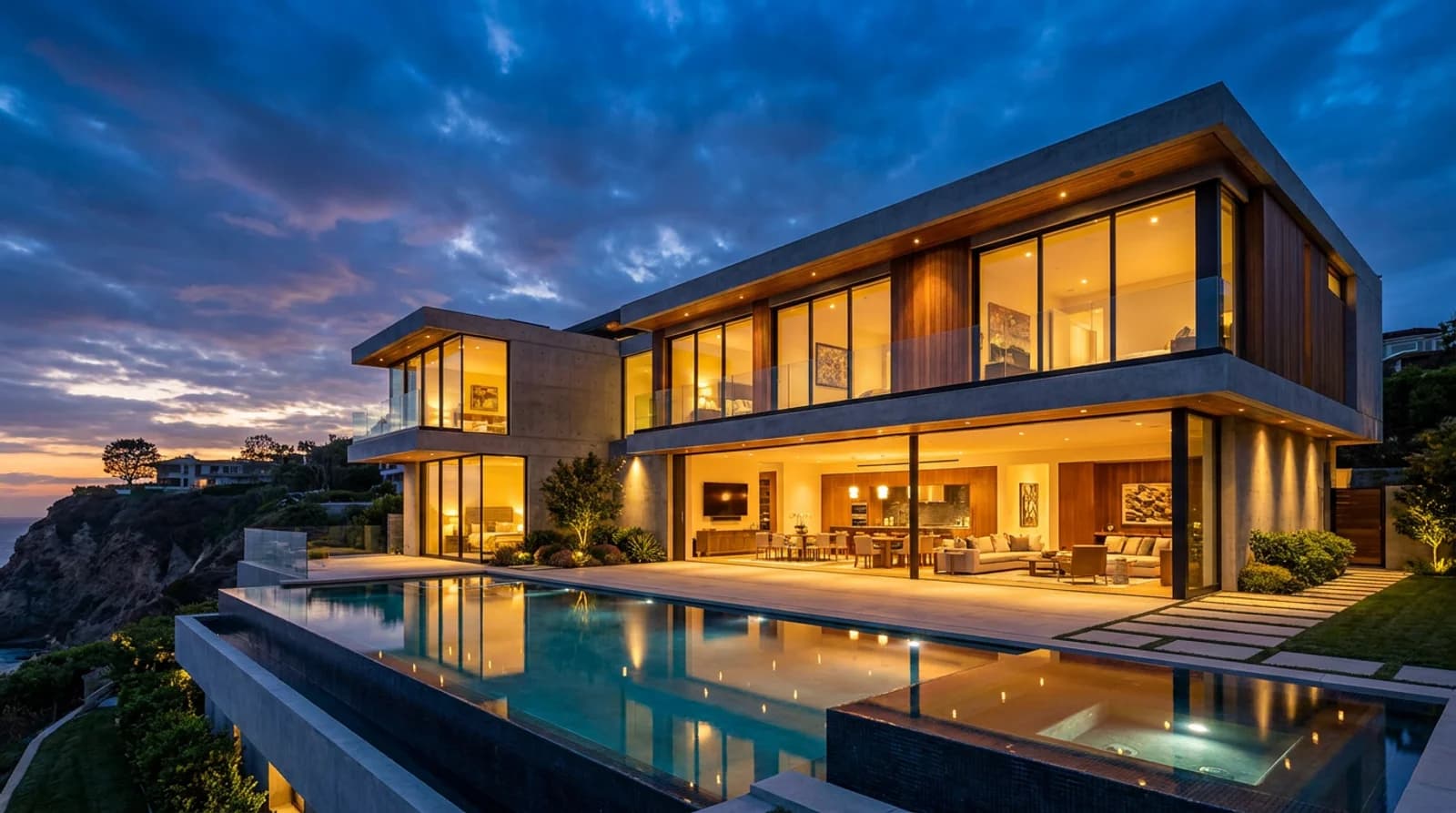
Schemerfotografie legt de buitenkant vast in de schemering, wanneer de lucht nog kleur heeft, binnenverlichting warm door de ramen gloeit en tuinverlichting tot zijn recht komt. Het is één extra opname (of een korte sessie die 20 tot 30 minuten langer duurt dan een standaardshoot) die vrijwel altijd de hero-foto van een luxeadvertentie wordt. Voor makelaars die aan de top van hun markt concurreren, oogt een vlakke, alleen-overdag-buitenfoto naast de schemerfoto van een concurrent merkbaar minder premium. Precies daarom is een schemerfoto boven de €1M bijna standaard geworden in plaats van een incidentele extra.
Luchtfotografie met een drone toont wat opnames vanaf de grond niet kunnen: de grootte van het perceel, de nabijheid van water of een golfbaan, de daklijn en bouwschaal, en hoe een pand ten opzichte van de buurt ligt. Bij landgoederen, woningen aan het water en grotere percelen is een luchtopname niet decoratief. Het is vaak de enige manier om de werkelijke omvang en ligging van het pand te laten zien. Twijfel je welke apparatuur en software je aan je kit moet toevoegen zodra je dit soort werk aanneemt? Ons overzicht van AI-tools voor woningfotografen behandelt de bewerkings- en stylingkant van die stack.
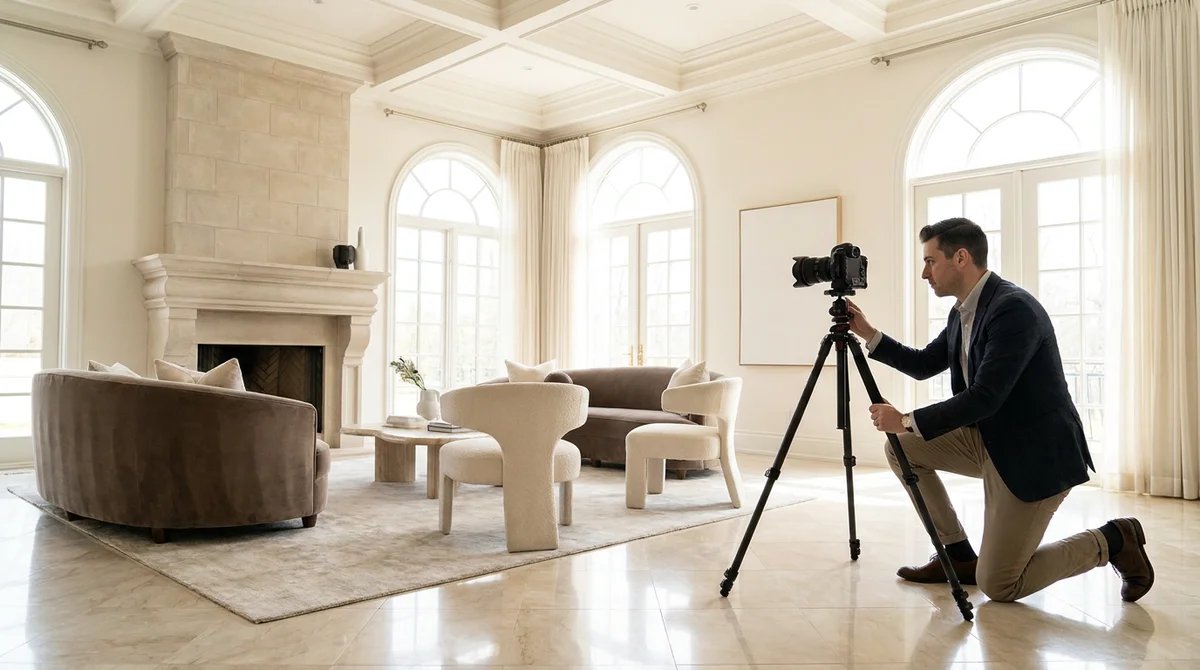
Beide extra's combineren van nature goed met video. Een luxeadvertentie met schemerfoto's, een luchtpakket en een korte rondleidingsvideo dekt elk format dat een koper tegenkomt: thumbnails op de advertentiesite, de website van de woning en social media, allemaal vanuit één bezoek. De Compose-tool van RoomLift zet de foto's die je al hebt geschoten om in een gepolijste videorondleiding, zonder aparte videoshoot: importeer foto's rechtstreeks vanaf de listing-URL, voeg AI-camerabeweging toe om stilstaande beelden om te zetten in vloeiende shots, voeg AI-voice-over en achtergrondmuziek toe die bij het pand passen, en exporteer daarna in de beeldverhouding die elk kanaal nodig heeft (advertentiesite, Instagram Reels, TikTok, YouTube). Dat kost een fractie van de tijd en het geld van een videograaf van €300-500.
Zo positioneer je je portfolio voor premium opdrachten
Makelaarskantoren en ontwikkelaars die fotografen inhuren voor commercieel of luxe werk, beoordelen bijna uitsluitend op portfolio, niet op een prijslijst. Als elke foto op je site een doorsnee buitenwijkwoning is, blijf je aanvragen krijgen voor doorsnee buitenwijkwoningen, wat je prijspagina ook zegt. Herpositioneren vraagt om drie bewuste stappen:
- Bouw een aparte sectie voor commercieel/luxe werk, ook als die begint met twee of drie shoots. Houd het gescheiden van woningwerk, zodat een potentiële klant een portfolio ziet dat aansluit bij de opdracht waarvoor hij je inhuurt.
- Zet de deliverables voorop waar zakelijke klanten naar vragen: schemerfoto's, luchtopnames, plattegronden, video, in plaats van een generieke tagline als "vastgoedfotografie". Een marketingmanager scant juist op deze specifieke vaardigheden.
- Laat zien dat je verstand hebt van licenties, niet alleen van camerawerk. Eén zin op je site of in je offerte, zoals "flexibele licenties voor doorlopend marketinggebruik", laat al zien dat je begrijpt dat hun behoefte anders is dan die van een woningklant met één advertentie, nog voordat je een prijs hebt genoemd.
- Gebruik voor-en-na- en stylingwerk ook als bewijs voor commerciële opdrachten. Lege bedrijfsruimtes profiteren van dezelfde rekensom rond virtuele styling als woningen; lees onze gids over of woningfotografen virtuele styling moeten aanbieden voor de onderliggende economie.
Niets van dit alles betekent dat je woningwerk moet laten schieten. Het betekent dat je commercieel en luxe werk behandelt als een eigen dienst, met eigen portfoliobewijs, eigen licentievoorwaarden en prijzen die recht doen aan het bredere, langere gebruik dat een zakelijke klant van je beelden maakt.
Veelgestelde vragen
Wat kost commerciële vastgoedfotografie?
Commerciële vastgoedfotografie kost meestal €300 tot €1.500+ per shoot, ongeveer 2 tot 5 keer de prijs van woningfotografie, omdat zakelijke opdrachten grotere oppervlaktes, licenties voor langere termijnen en vaak een makelaarskantoor of marketingteam als klant hebben in plaats van één huiseigenaar. Kantoorpanden, winkelcentra en bedrijfsterreinen zitten aan de onderkant op €300-600, terwijl grote multi-tenant panden of hospitality-vastgoed €1.500 of meer kunnen kosten met drone- en schemerfoto-extra's.
Wat is het verschil tussen commerciële en residentiële vastgoedfotografie?
Commerciële vastgoedfotografie bedient een zakelijke klant (een makelaarskantoor, projectontwikkelaar of vastgoedbeheerder) die beelden nodig heeft voor marketingpresentaties, prospectussen en campagnes over meerdere kanalen, niet alleen voor een woningadvertentie. Het vraagt meestal om bredere gebruiksrechten, technischere belichting voor grote open ruimtes en vaak buiten- of luchtopnames die passen bij de schaal van het pand. Woningfotografie bedient meestal één makelaar, één woning en standaardgebruik voor de advertentie.
Heb ik een andere licentie of overeenkomst nodig voor commerciële vastgoedfotografie?
Ja. Zakelijke klanten hebben meestal verlengde of eeuwigdurende gebruiksrechten nodig voor marketingmateriaal, websites en soms betaalde advertenties, wat breder is dan de licentie voor één advertentie die gangbaar is in woningwerk. Fotografen kunnen deze gebruiksrechten het beste apart prijzen en vastleggen, aangezien een buyout of meerjarige commerciële licentie aanzienlijk meer waard is dan een standaardlicentie voor een woningadvertentie.
Wat maakt luxe vastgoedfotografie anders dan standaardadvertenties?
Luxe vastgoedfotografie voegt schemerfoto's van de buitenkant, luchtopnames met een drone en vaak video of 3D-rondleidingen toe als standaardonderdeel in plaats van als upsell, omdat woningen van €1M+ worden vermarkt aan een kleinere, kritischere groep kopers waarbij de presentatiekwaliteit de waarde van het pand signaleert. Luxeshoots bevatten ook meestal meer foto's per pand (75-150+) en langere, meer art-directed sessies.
Hoe prijs ik schemerfoto's en luchtopnames voor luxeadvertenties?
Schemerfoto's van de buitenkant kosten meestal €100-300 extra per pand, en luchtfotopakketten met een drone kosten €150-400, afhankelijk van het aantal beelden en of er video bij zit. Bij een luxeadvertentie is het winstgevender om beide te bundelen in één premiumpakket (vaak €500-1.200 samen met volledige binnen-/buitenfoto's) dan om elke extra los te prijzen.
Hoe stap ik over van residentiële naar commerciële en luxe vastgoedfotografie?
Bouw een portfoliosectie specifiek voor commercieel en luxe werk, ook als die begint met een handvol shoots, want makelaarskantoren en ontwikkelaars beoordelen fotografen op het werk dat ze laten zien, niet op het werk dat ze zouden kunnen doen. Combineer dat met een licentiestructuur die de hogere gebruiksrechten weerspiegelt die zakelijke klanten nodig hebben, en begin het gesprek met de specifieke deliverables (schemerfoto's, luchtopnames, virtuele styling voor lege units) in plaats van met een generiek uurtarief.
Klaar om je woningen te transformeren?
Style je eerste kamer in 20 seconden. Geen ontwerpvaardigheden nodig.