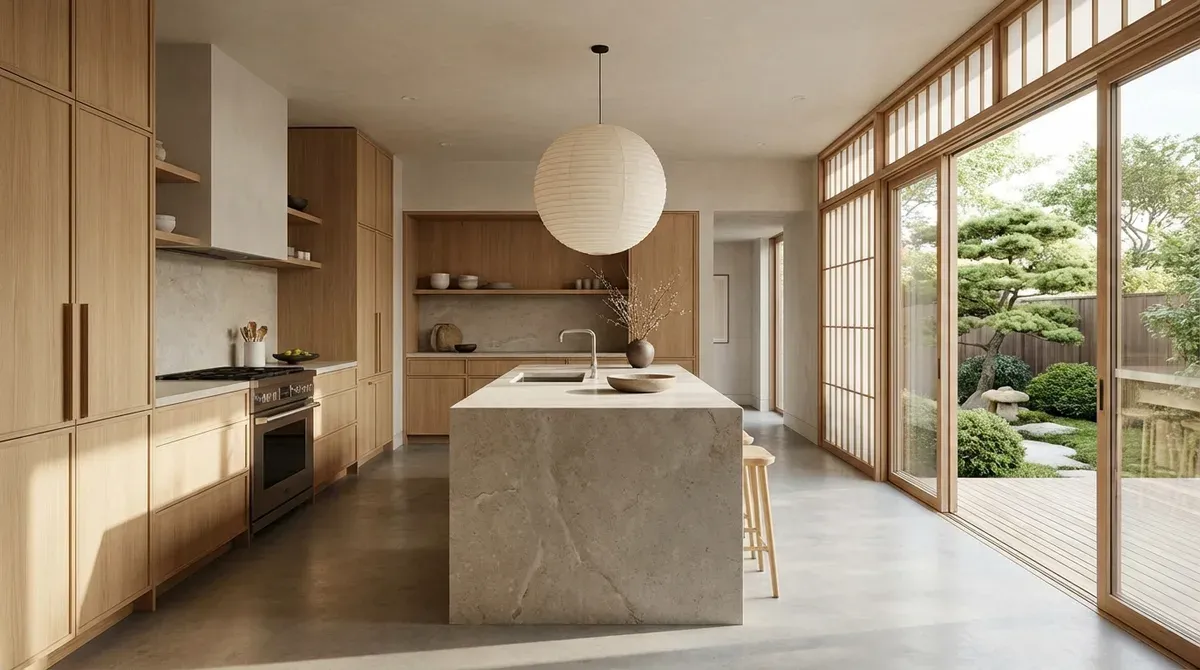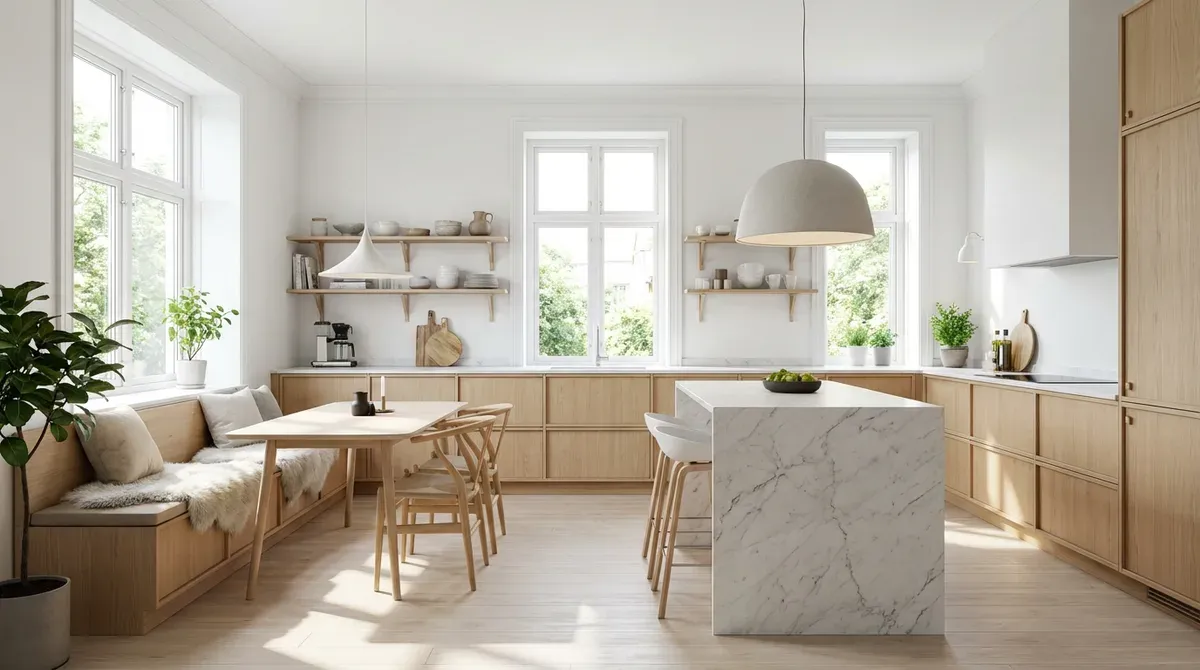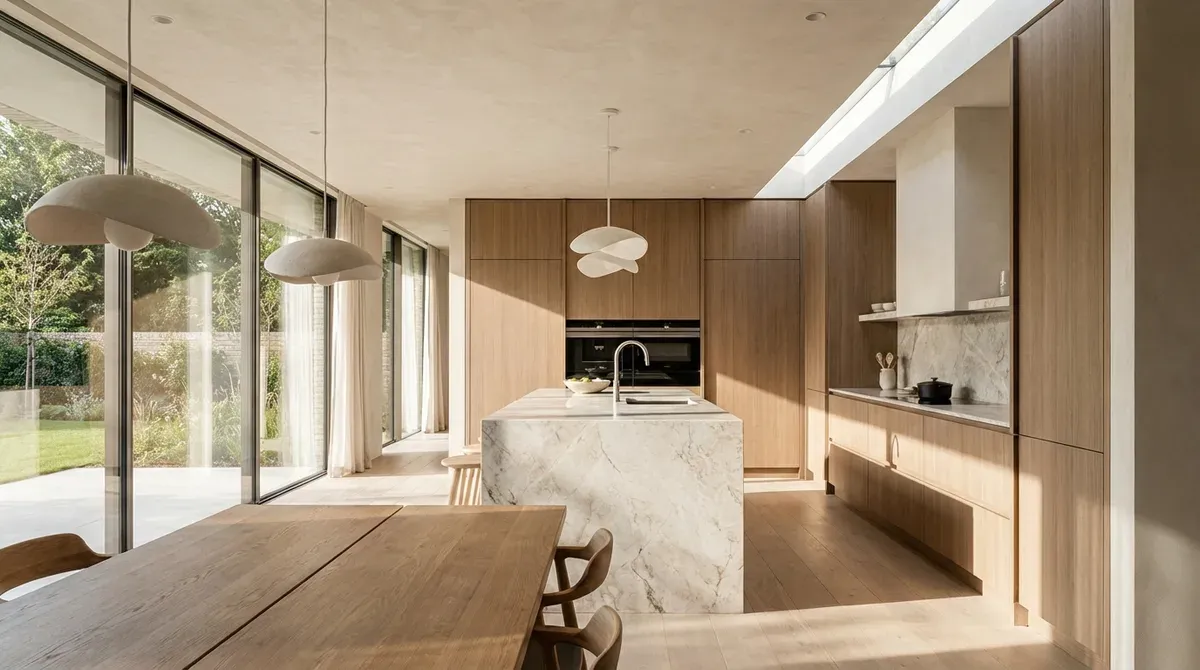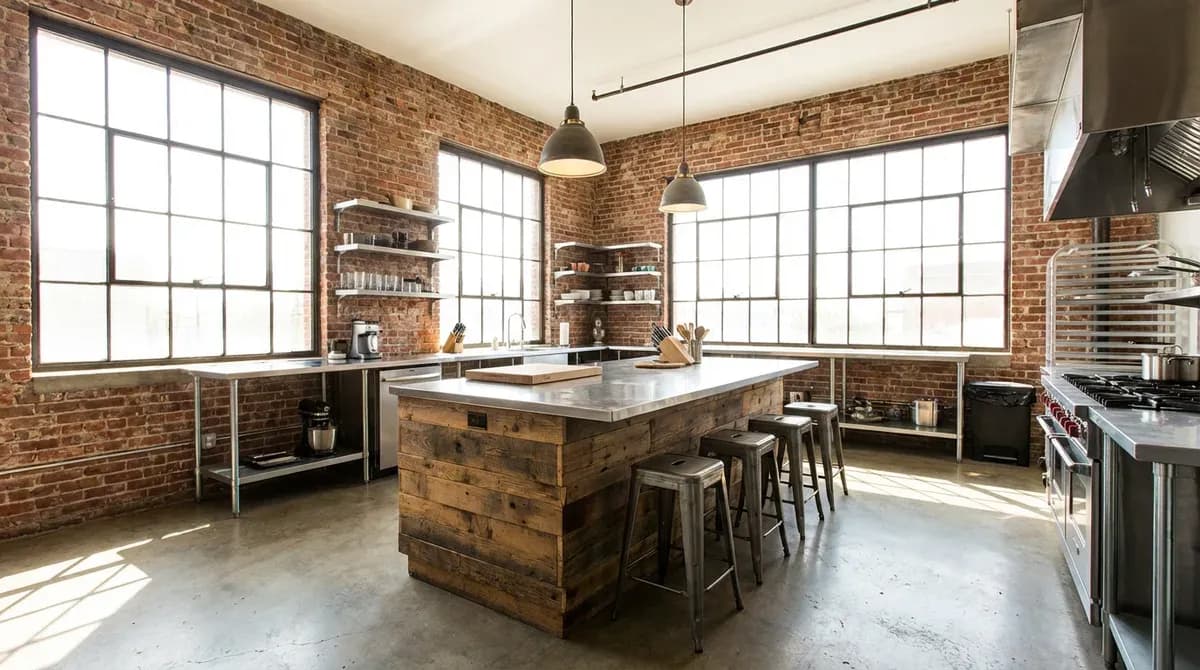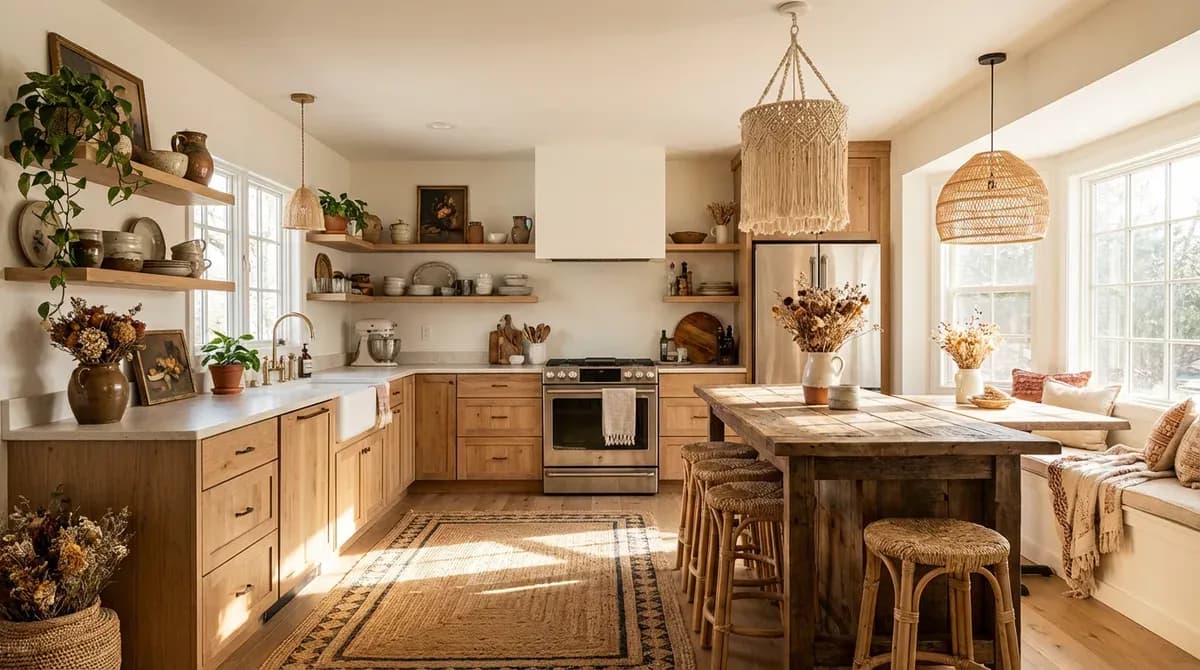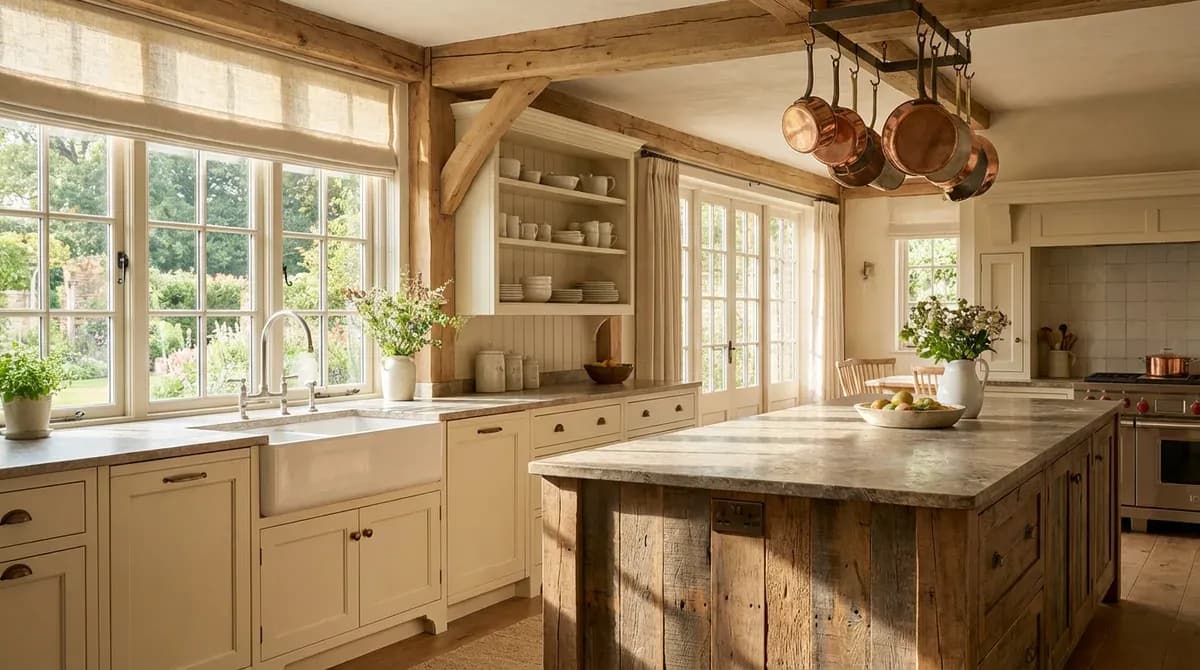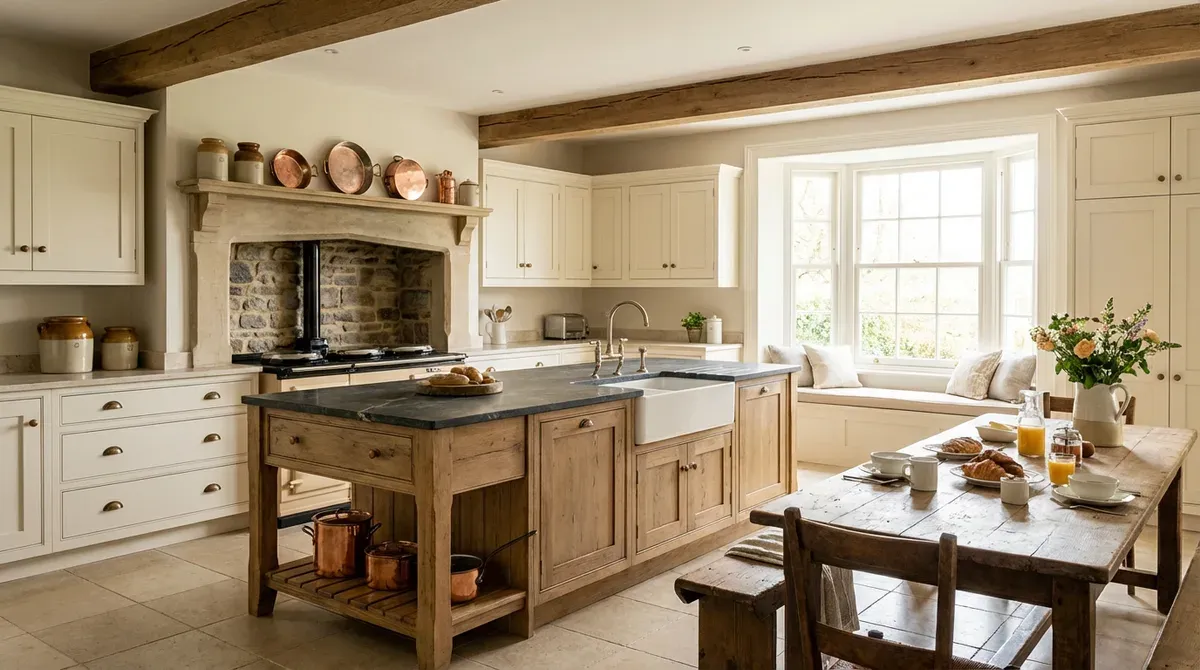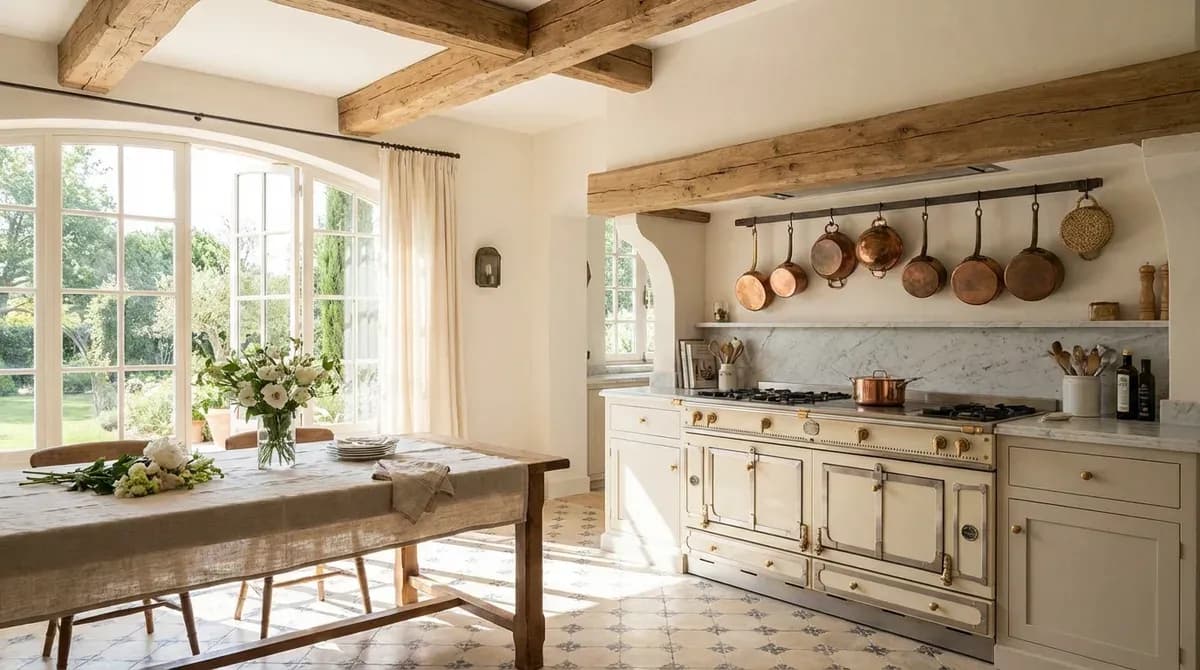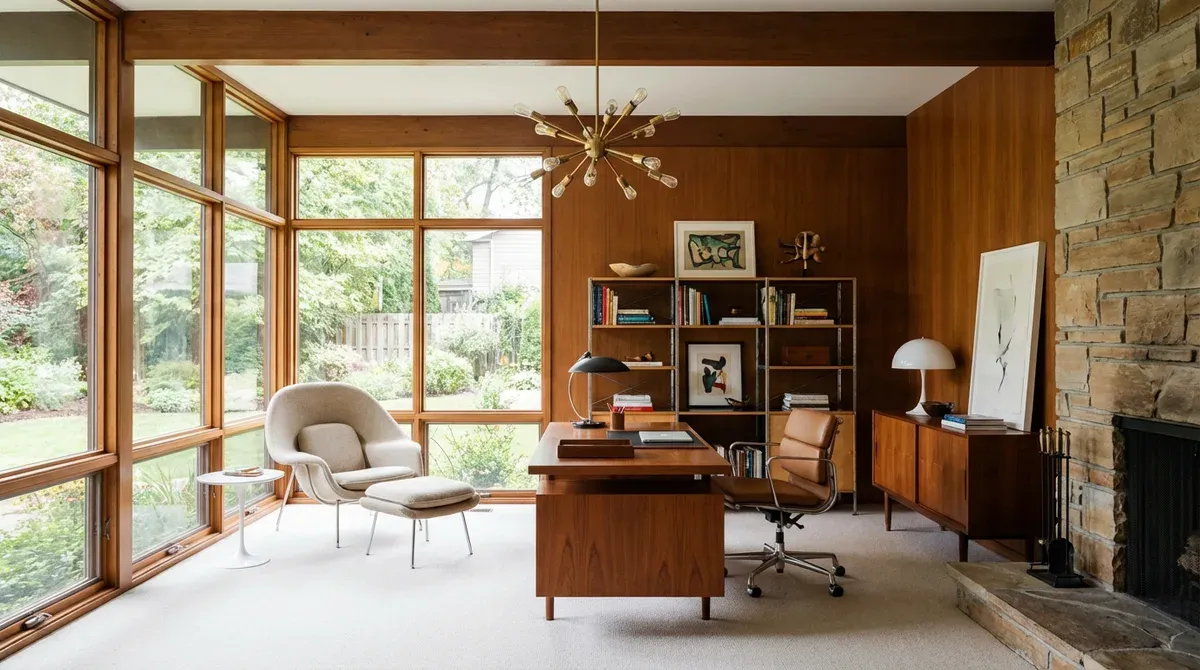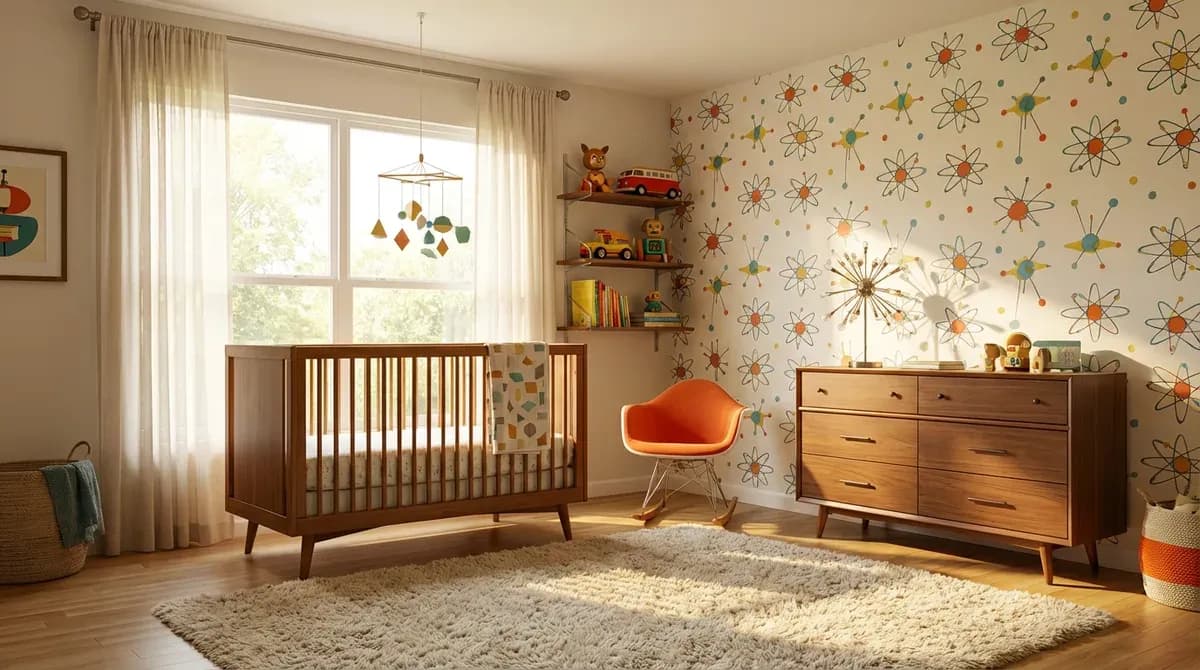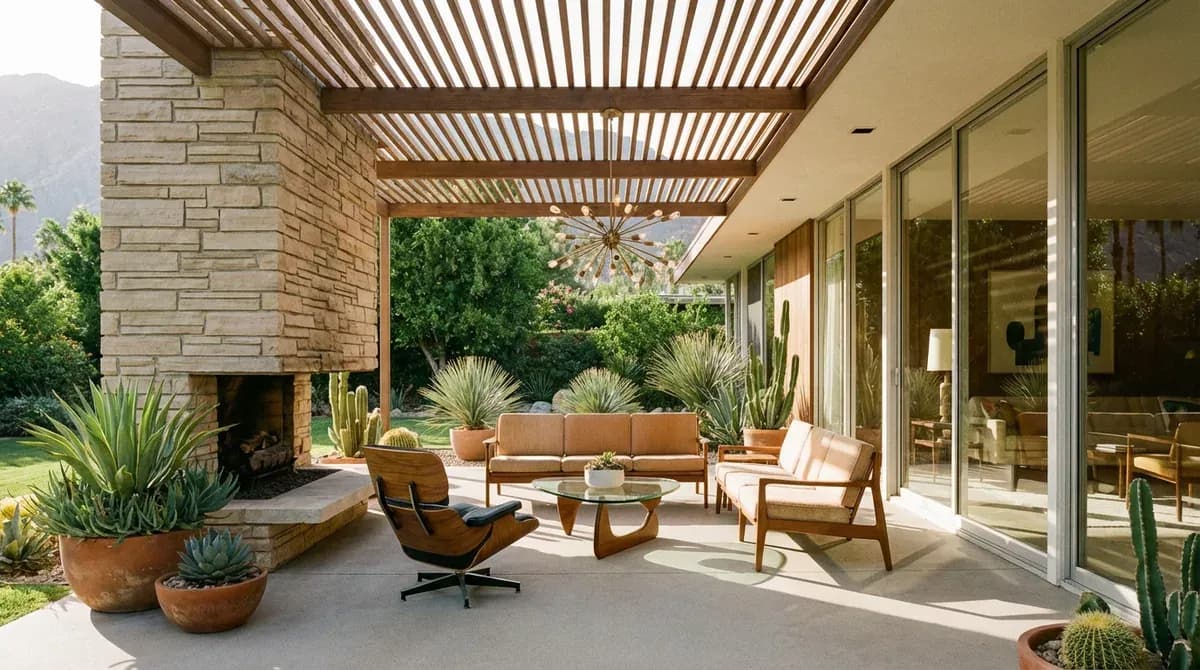
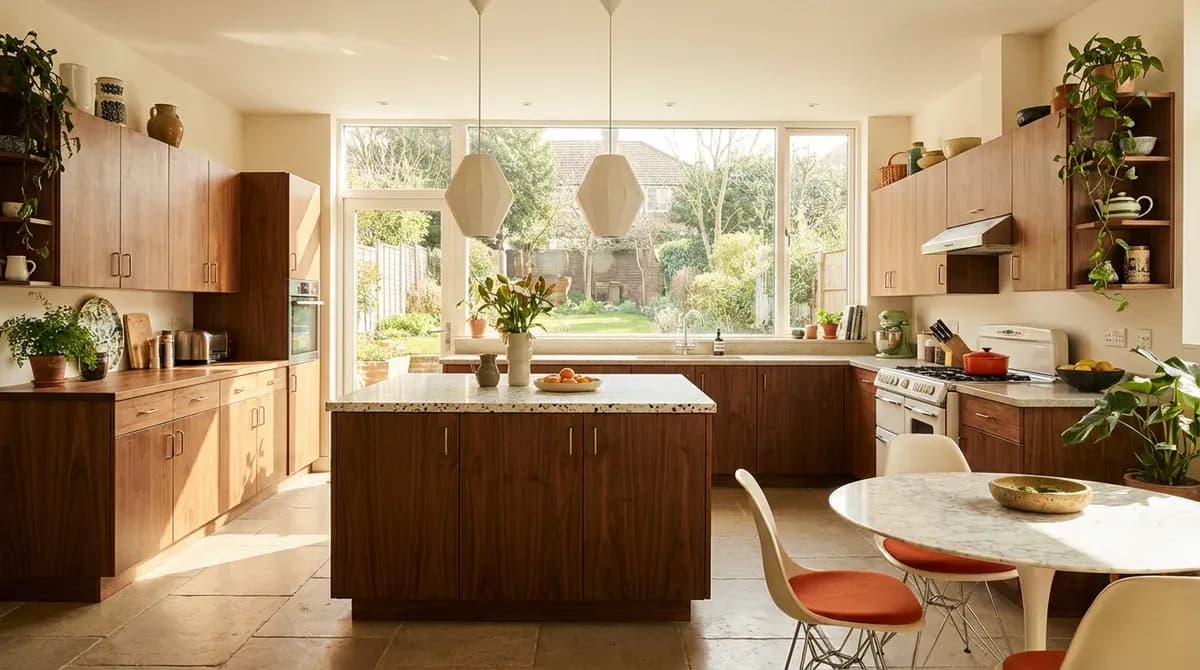
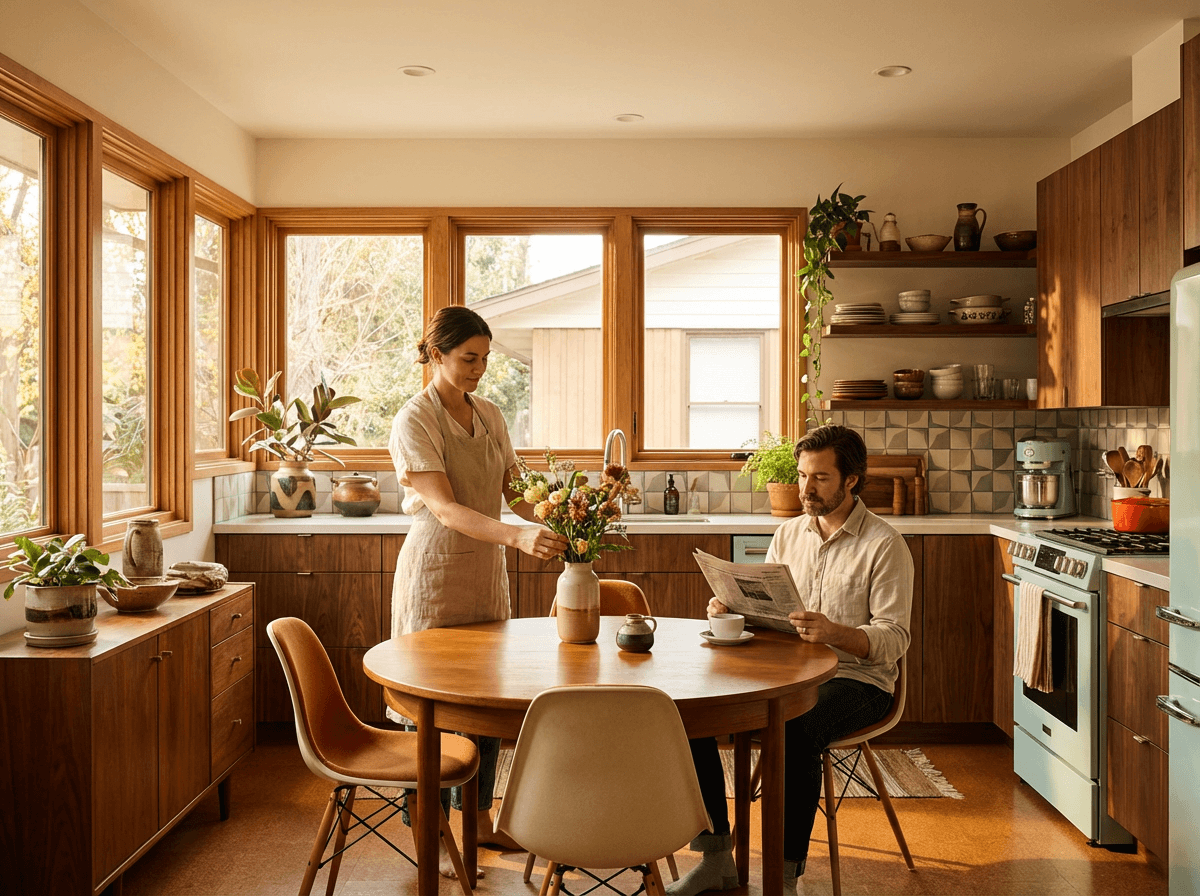
The mid-century modern kitchen bridges the gap between the utilitarian postwar galley and the open, social kitchen we know today. Designers of the 1950s and 60s began treating the kitchen as a space worth designing — not just equipping — and the result was rooms that balanced warm natural materials with bold splashes of color and clever, space-efficient layouts.
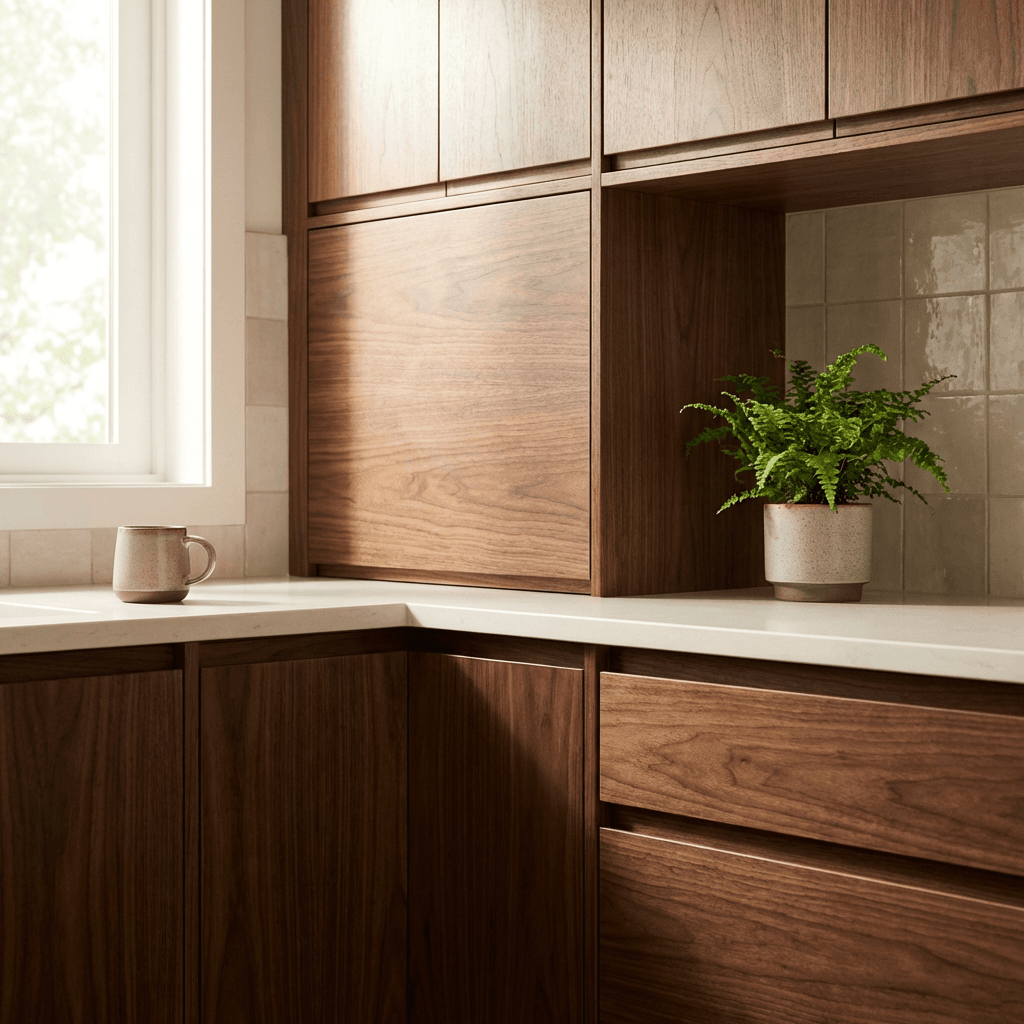
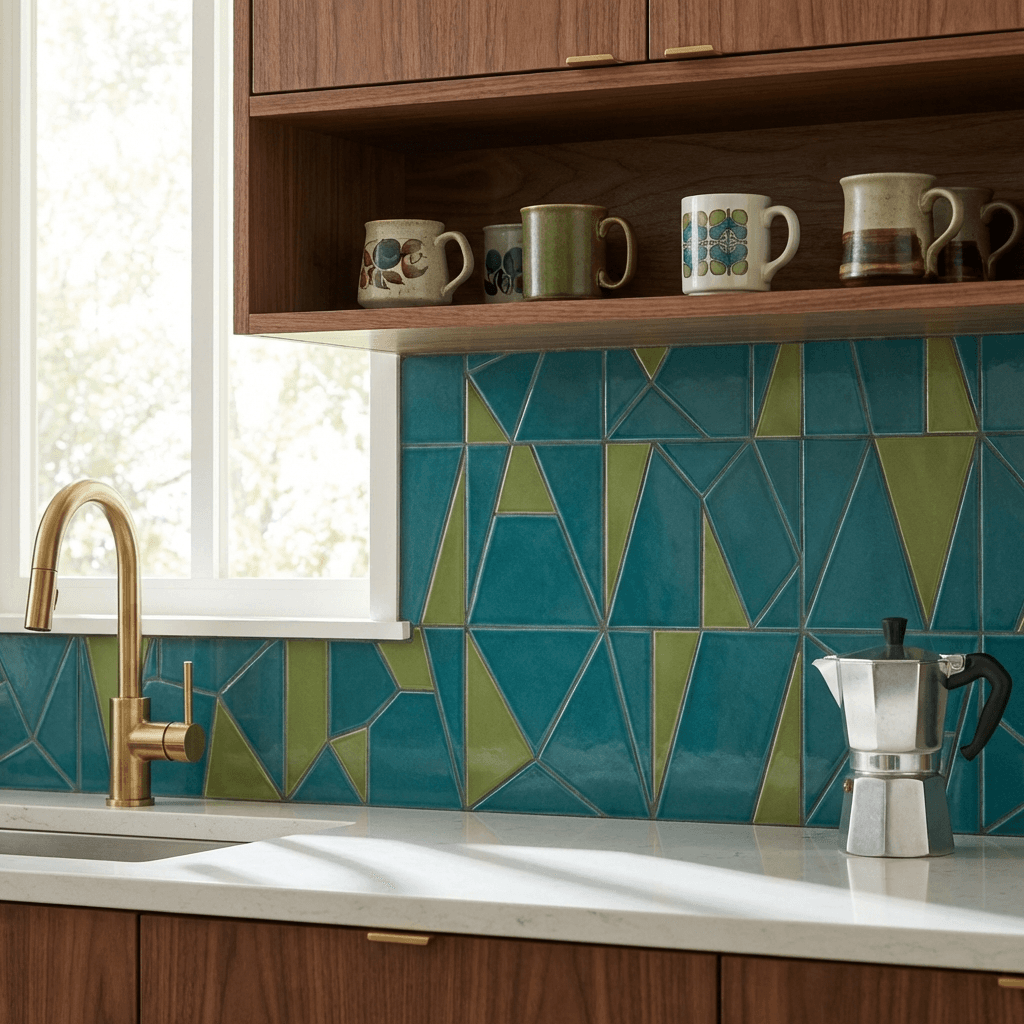
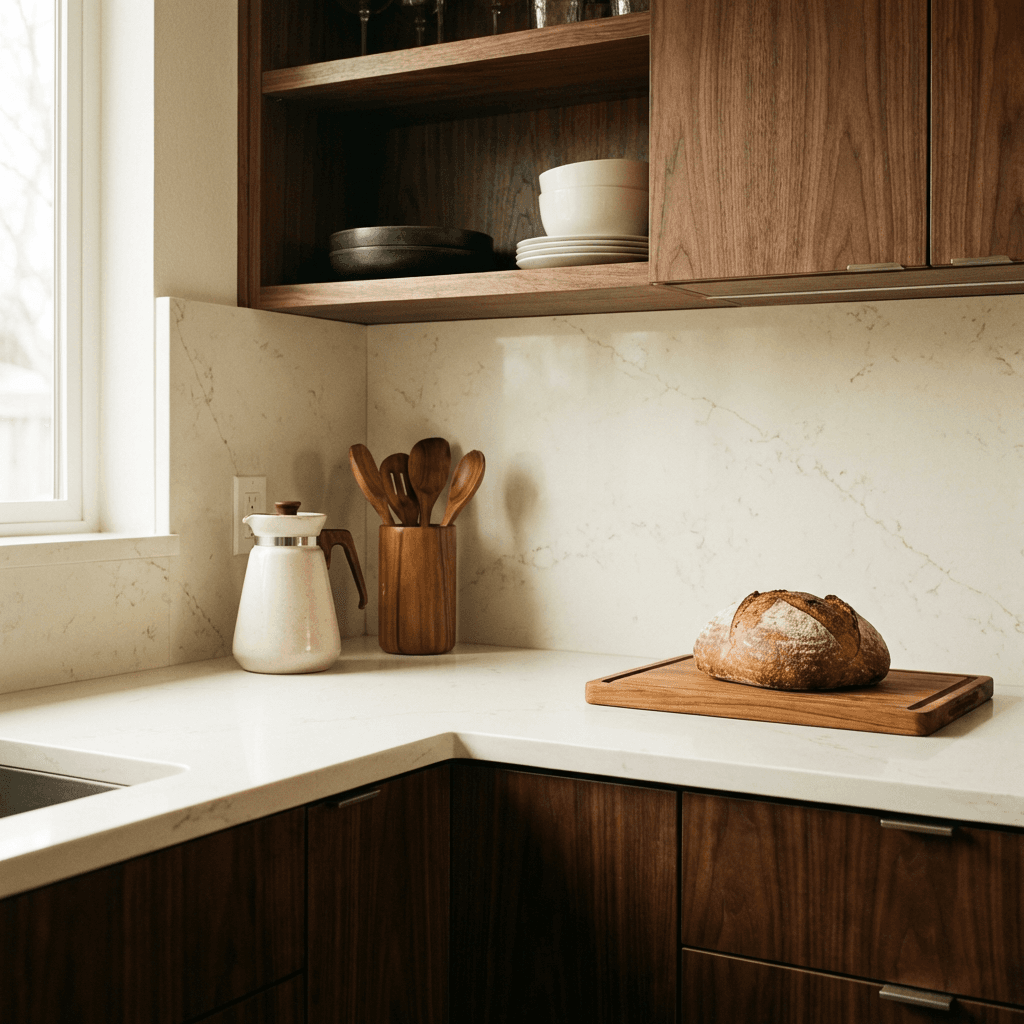
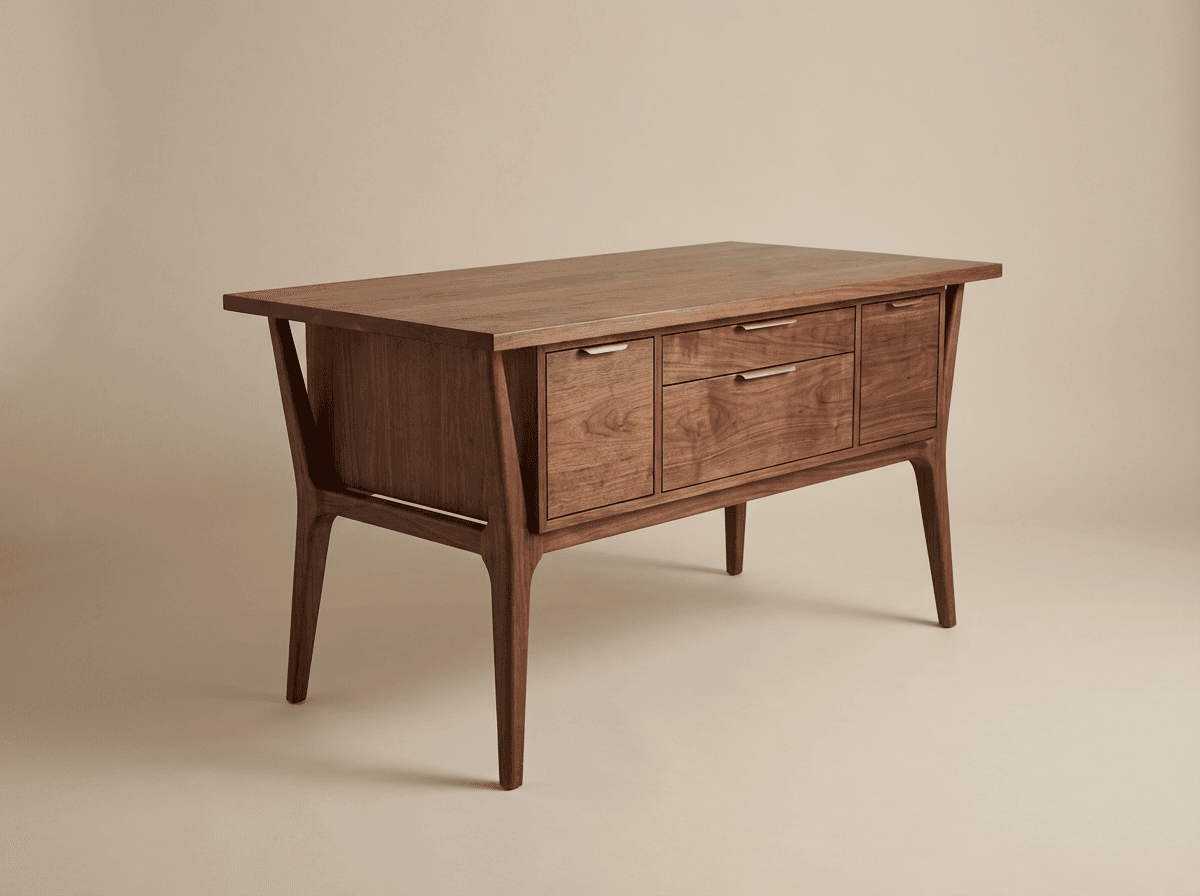
Walnut or teak cabinetry with flat-panel doors is the foundation. The grain of the wood provides all the visual interest the surfaces need; hardware stays minimal — a slim brass bar or an integrated finger pull. Countertops in white quartz or butcher block create a clean working plane, while the backsplash is where personality enters: geometric tiles in teal, mustard, or tangerine make the wall between counter and cabinet feel like a curated art installation.
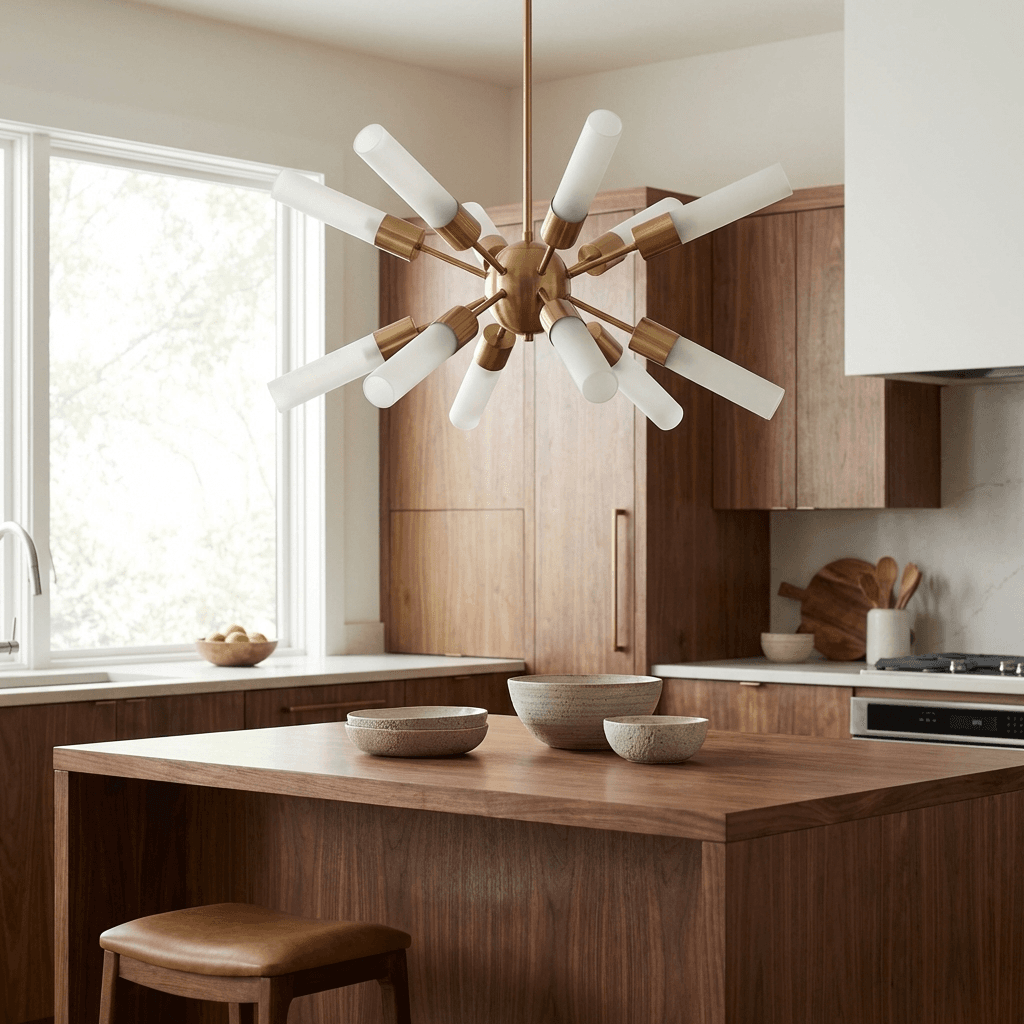
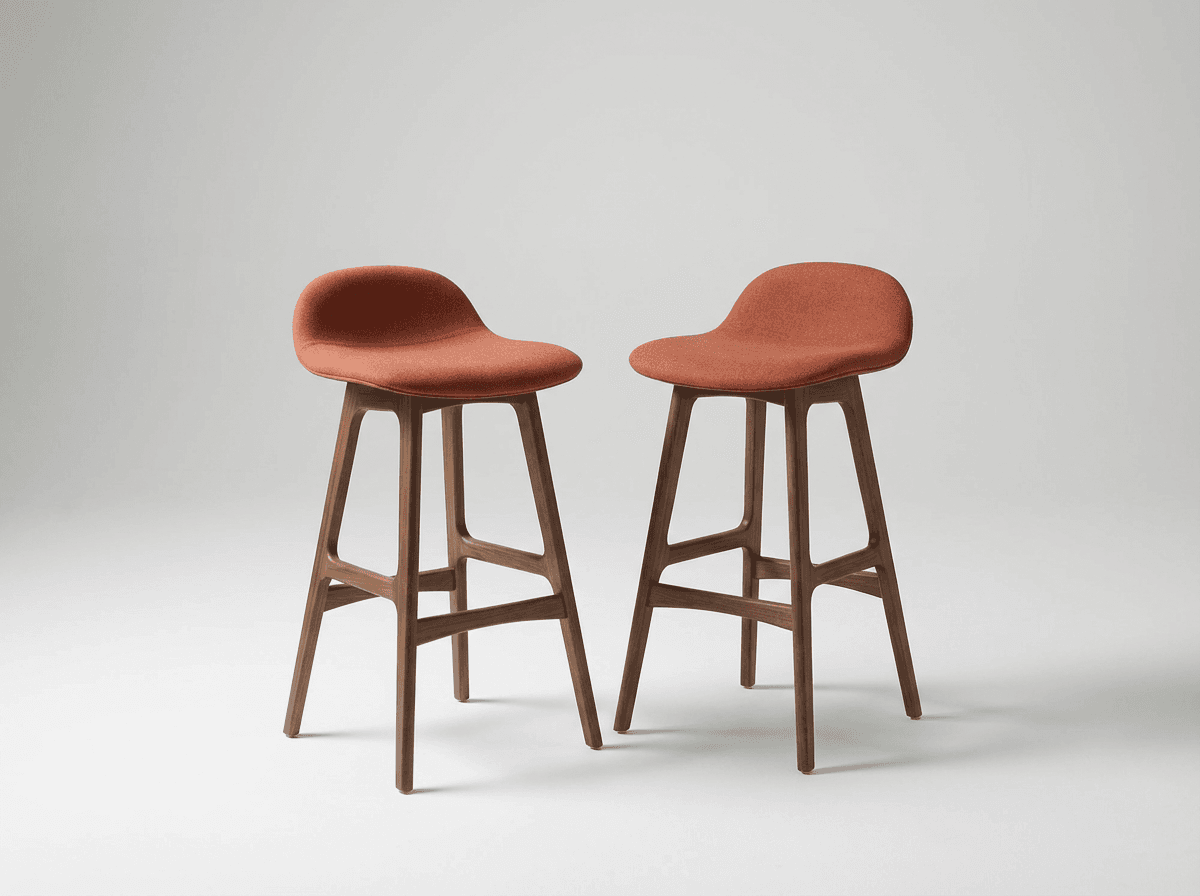
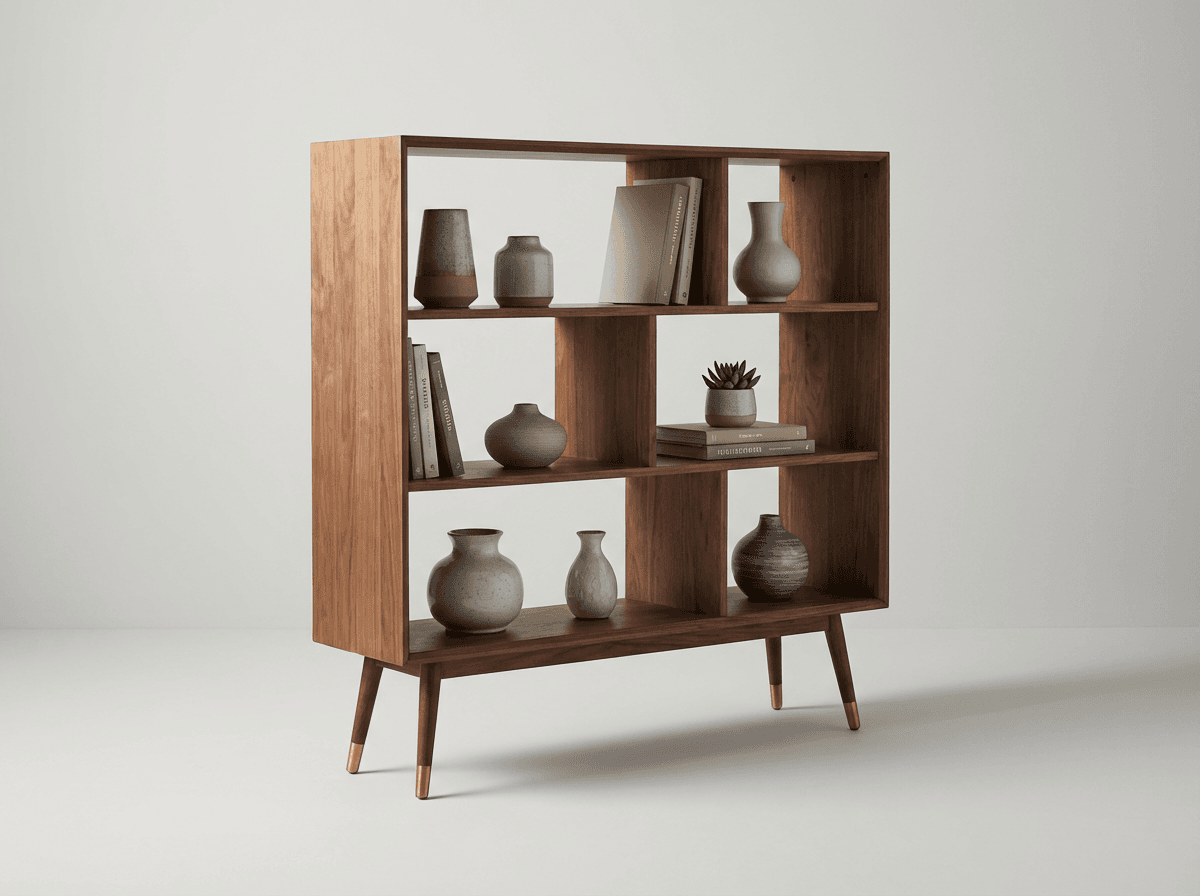
Lighting is the finishing move. A trio of cone pendants or a sculptural globe fixture over the island provides both task illumination and a visual anchor. Paired with molded-seat bar stools and an open display shelf of ceramics and cookbooks, the mid-century modern kitchen becomes a room where cooking and conversation feel equally at home.