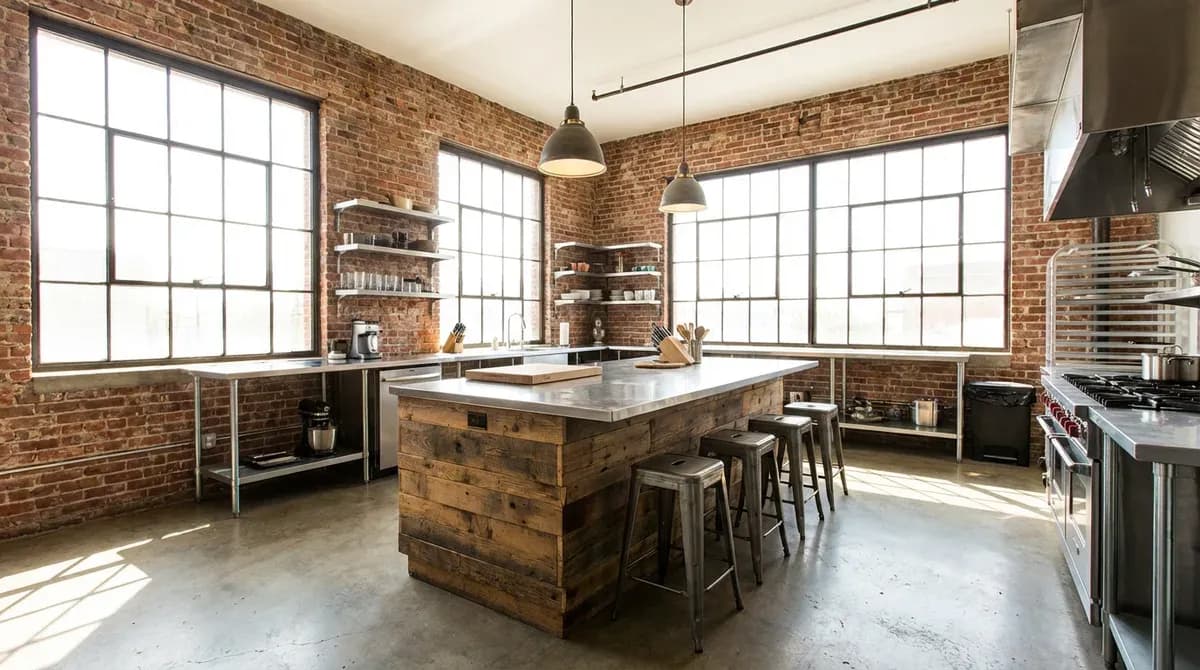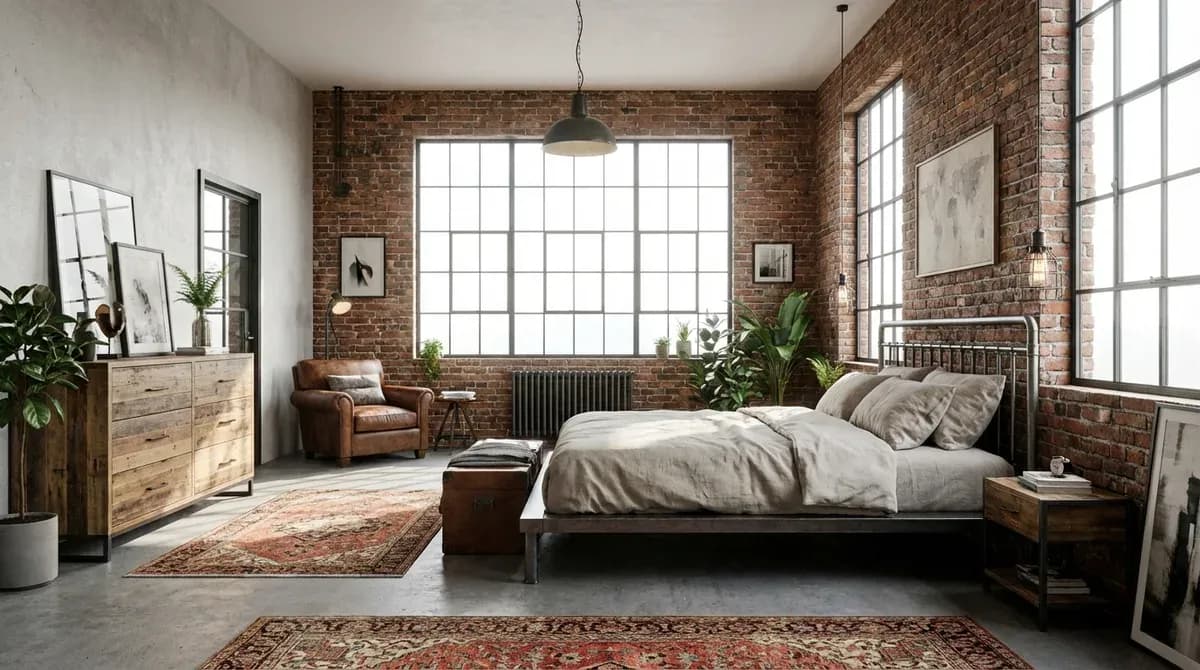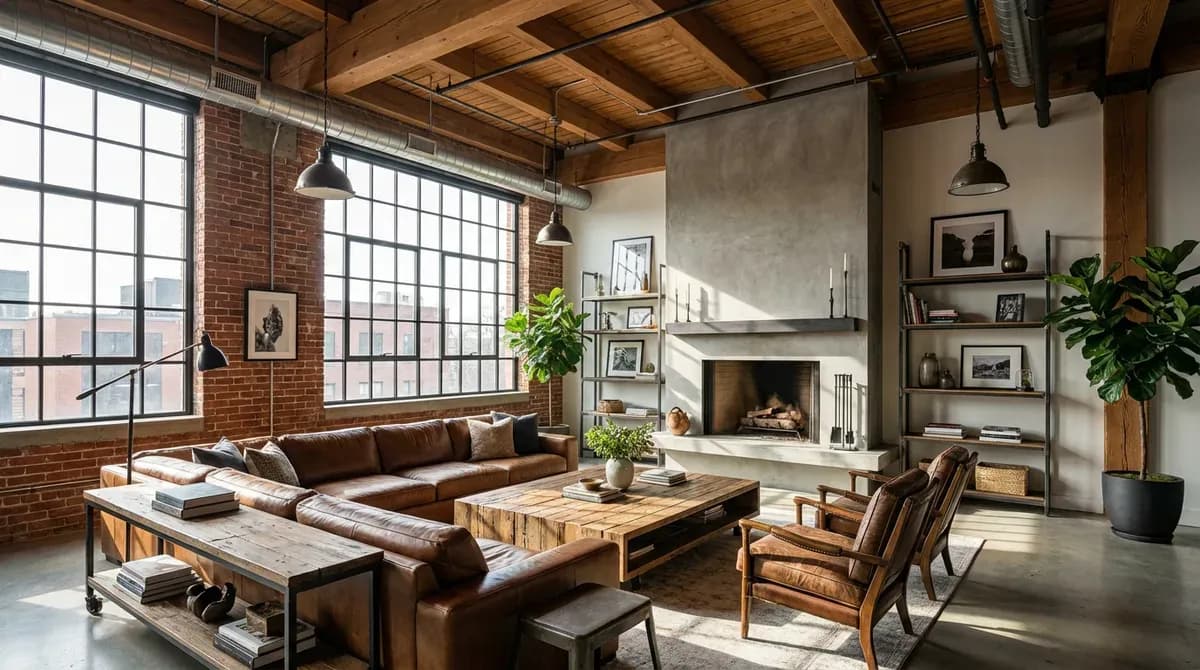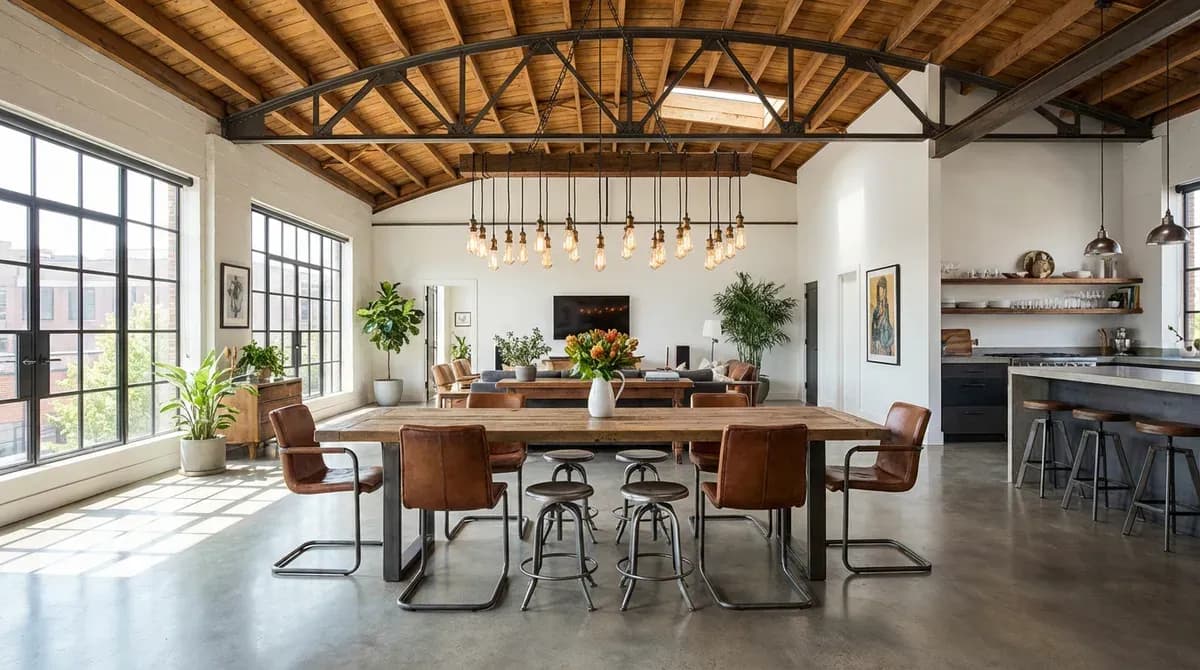
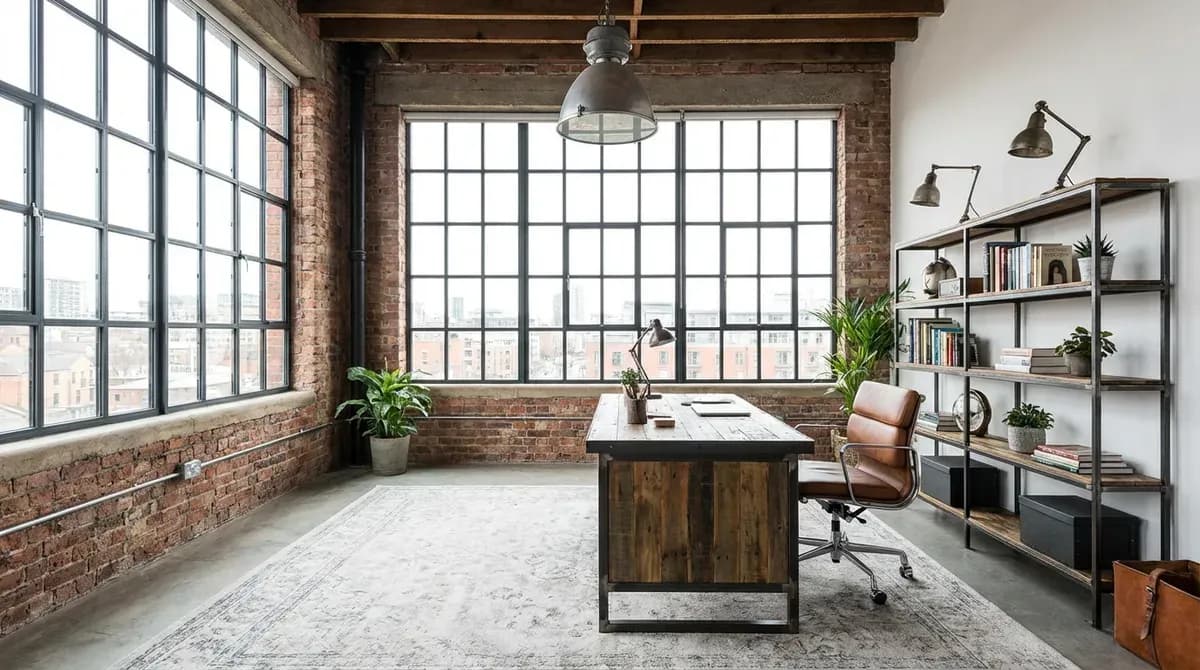
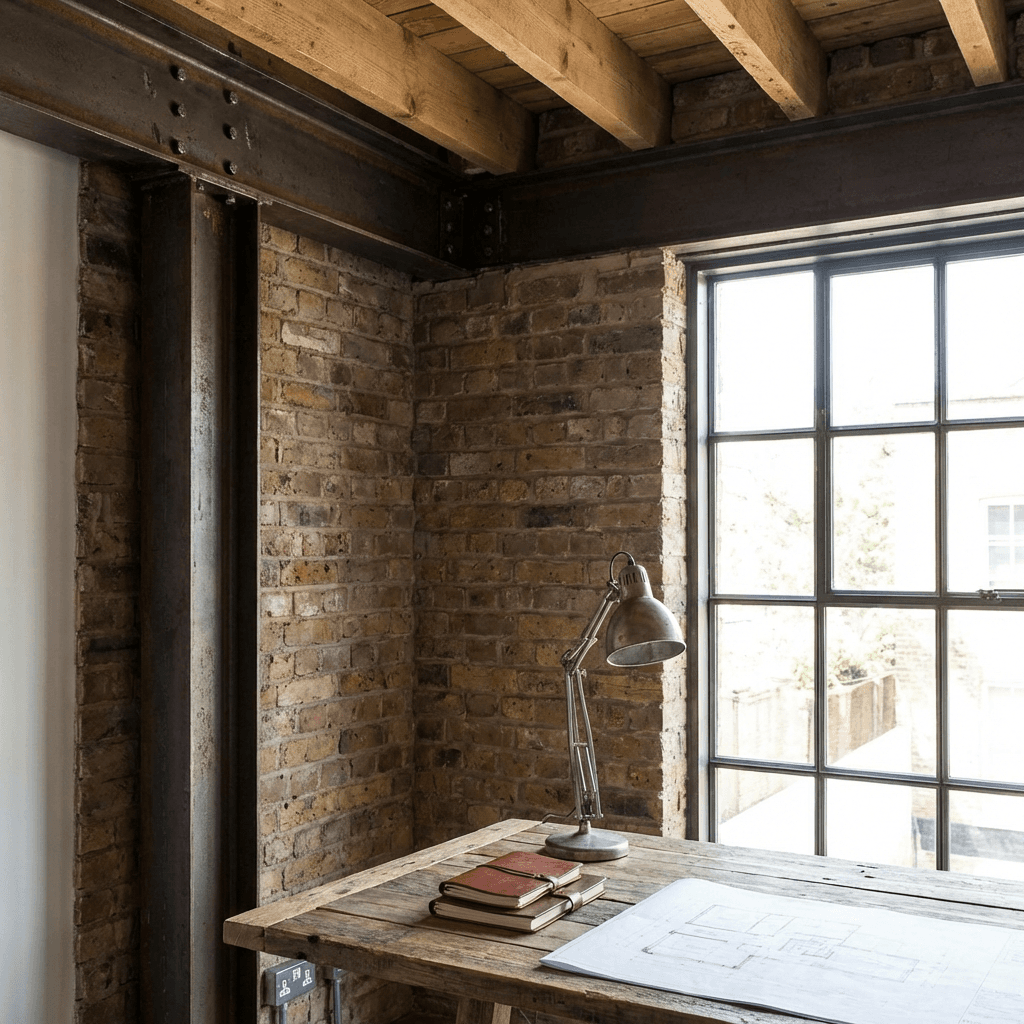
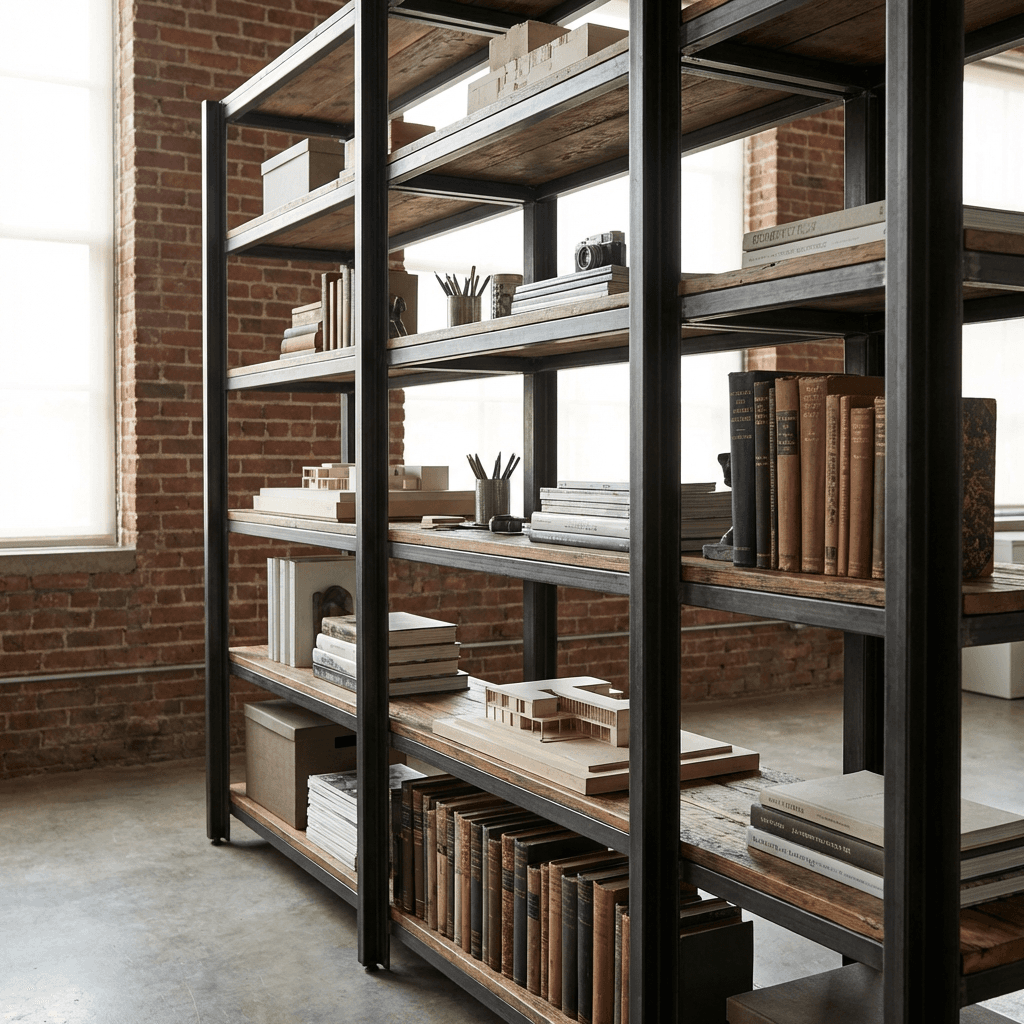
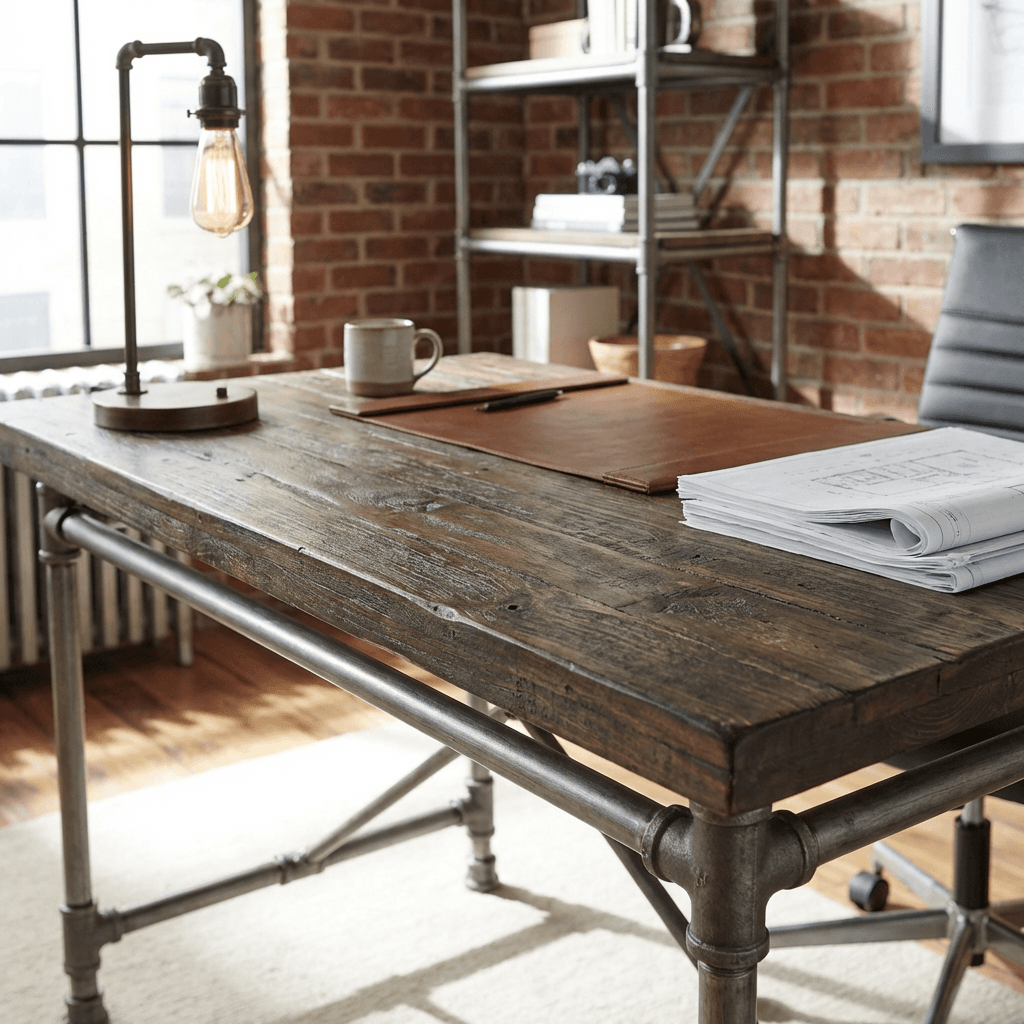
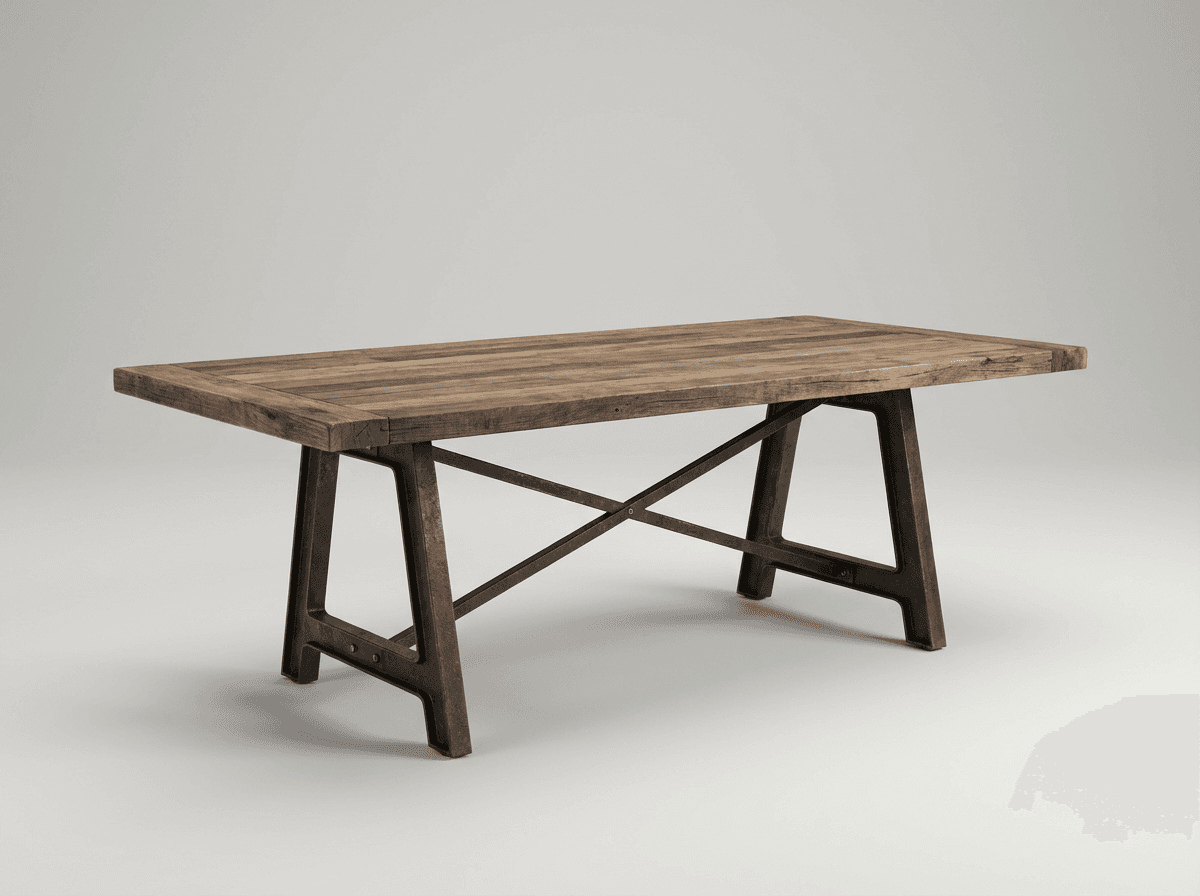
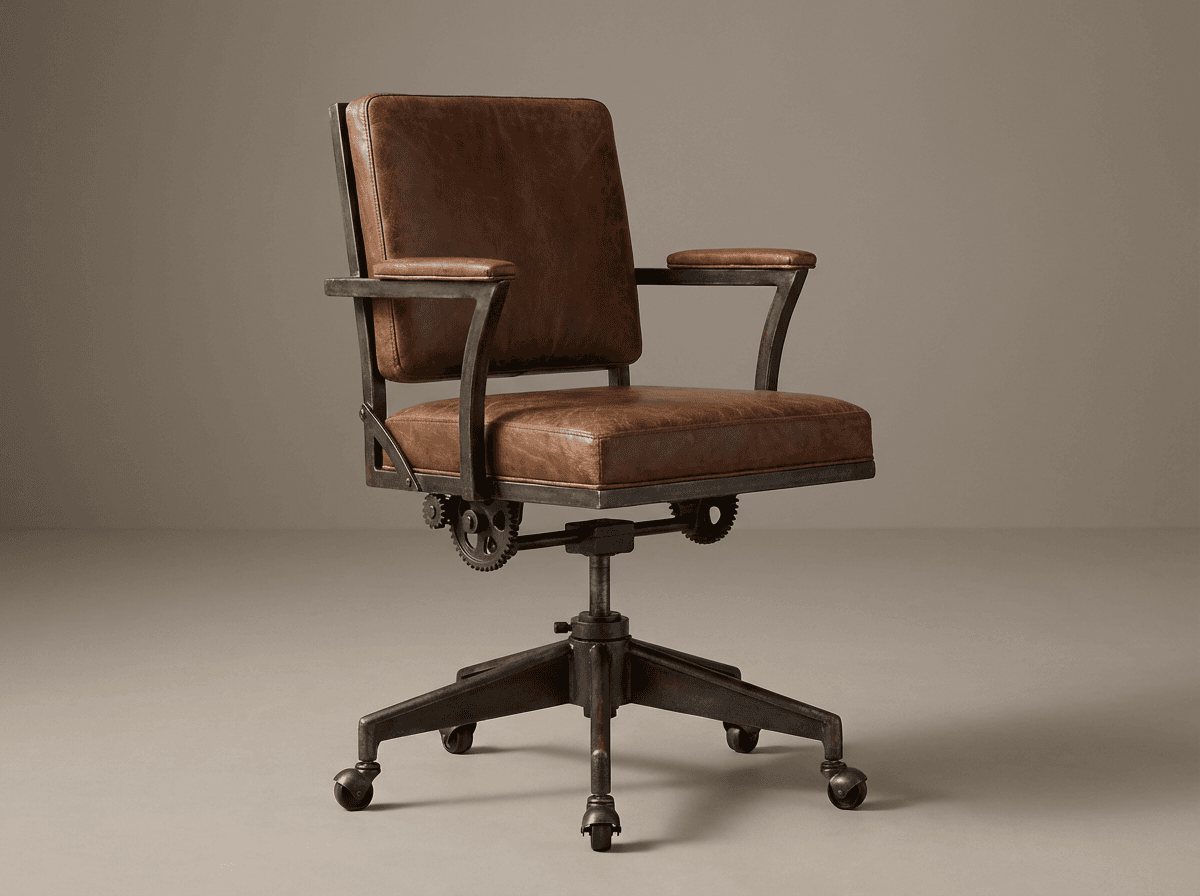
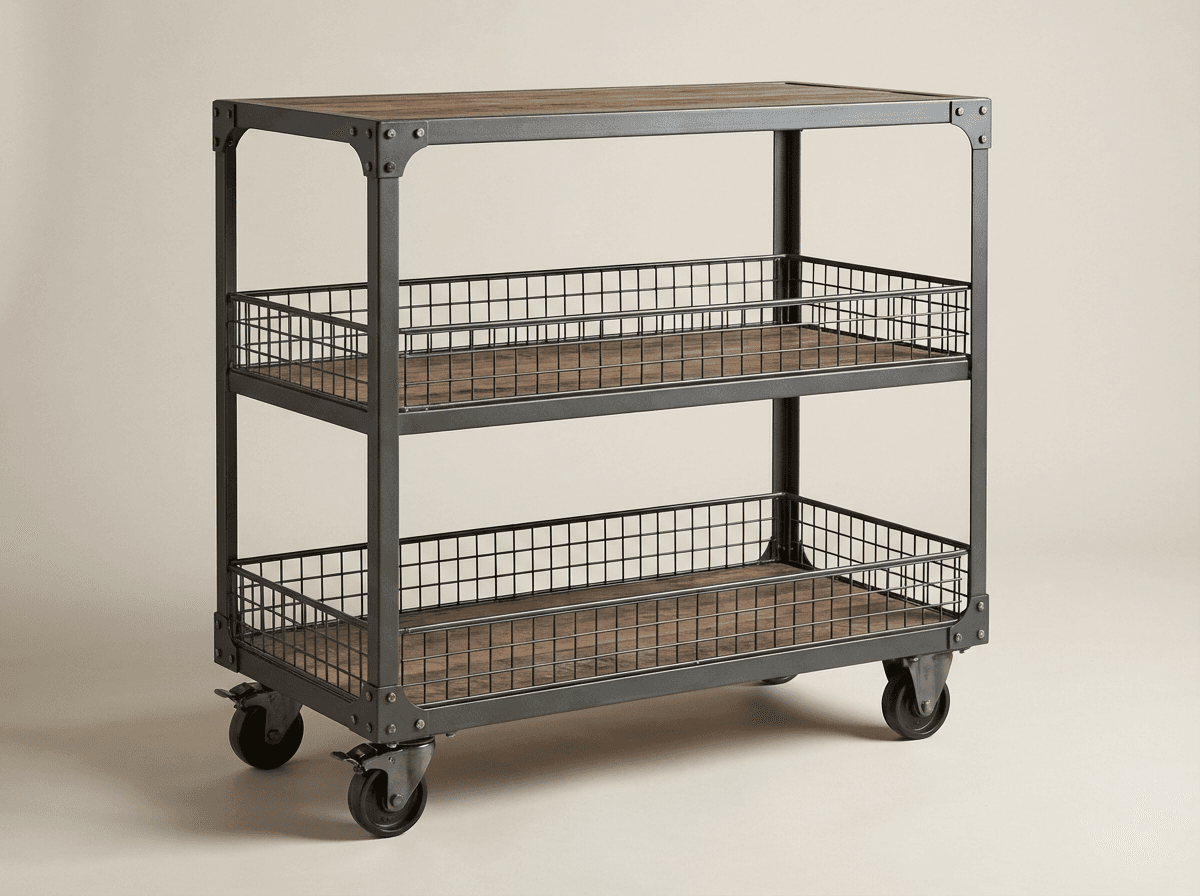

Un home office de estilo industrial traslada la energía en bruto de los lofts reconvertidos y las fábricas rehabilitadas a un espacio de trabajo que resulta a la vez creativo y sólido. Este estilo elimina el acabado superficial para poner en valor los materiales honestos —acero, hormigón, ladrillo y madera envejecida—, creando un entorno que favorece la concentración sin la frialdad corporativa de una oficina convencional. El punto de partida es el escritorio: una amplia superficie de madera reciclada sobre una estructura de acero marca el carácter de toda la habitación.
Las paredes y los techos son los protagonistas del diseño industrial. Una pared de ladrillo visto detrás del escritorio, vigas o conductos de ventilación a la vista pintados en negro mate, y suelos de hormigón o madera oscura establecen el carácter arquitectónico del espacio. Si la habitación no cuenta con estos elementos, los tratamientos decorativos actuales son sorprendentemente convincentes: los paneles de chapa de ladrillo y los estucos de cal pueden reproducir ese aspecto sobre cualquier tabique estándar.
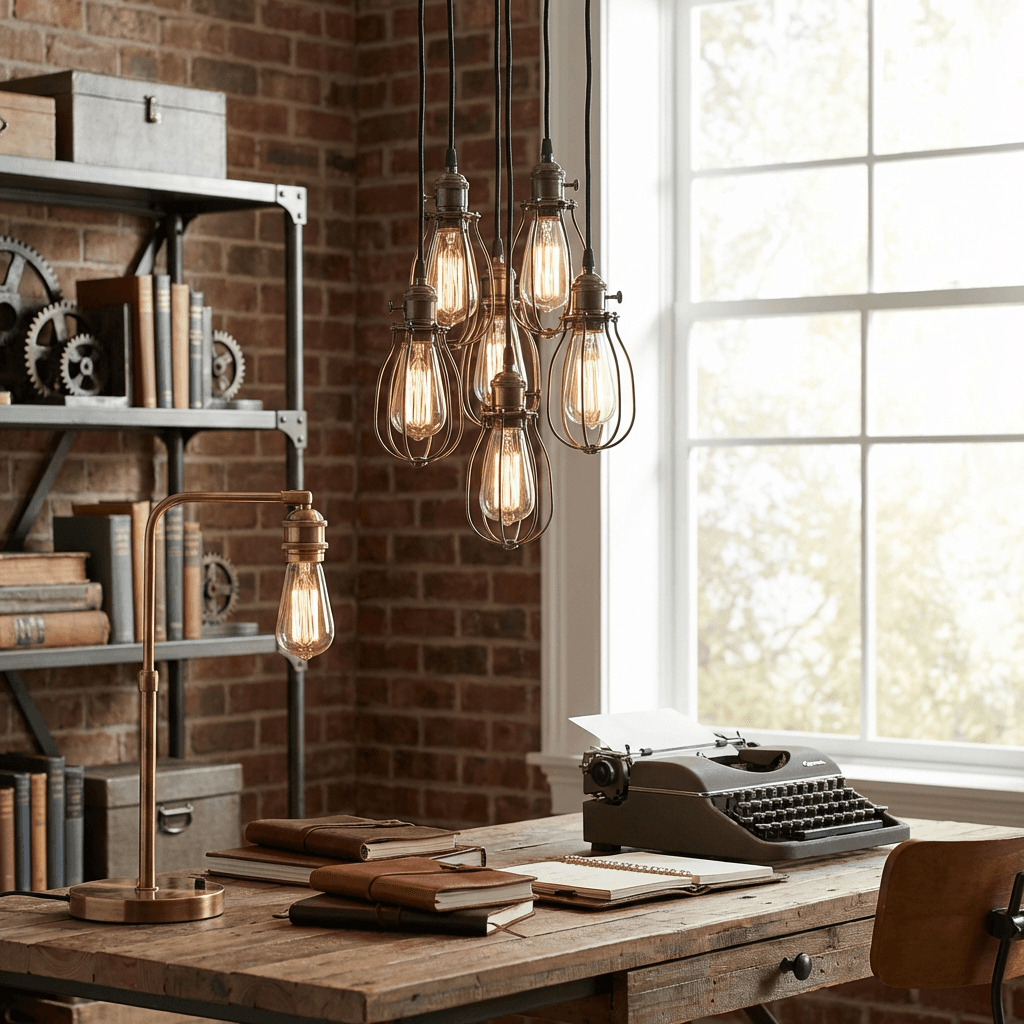
La iluminación es fundamental. Los espacios industriales suelen carecer de la abundancia de luz natural propia de los interiores escandinavos, por lo que conviene compensarlo con varias fuentes de luz: una lámpara colgante con jaula o un conjunto de bombillas vistas para la iluminación ambiental, un flexo articulado para el trabajo en el escritorio y, quizás, un lámpara de pie con filamento visto para crear calidez por las noches. Termina de ambientar el espacio con accesorios de aspecto vivido —un portafolios de cuero, un sujetalibros de hierro fundido, un macetero galvanizado con una sansevieria— que refuercen la filosofía de los materiales como protagonistas.