Day-to-Dusk Photo Editing: Virtual Twilight Shots That Sell
May 30, 2026 · 6 min read
Day-to-dusk photo editing turns a daytime exterior into a cinematic twilight shot in seconds. Here's how AI does it — and how to make the result look real.
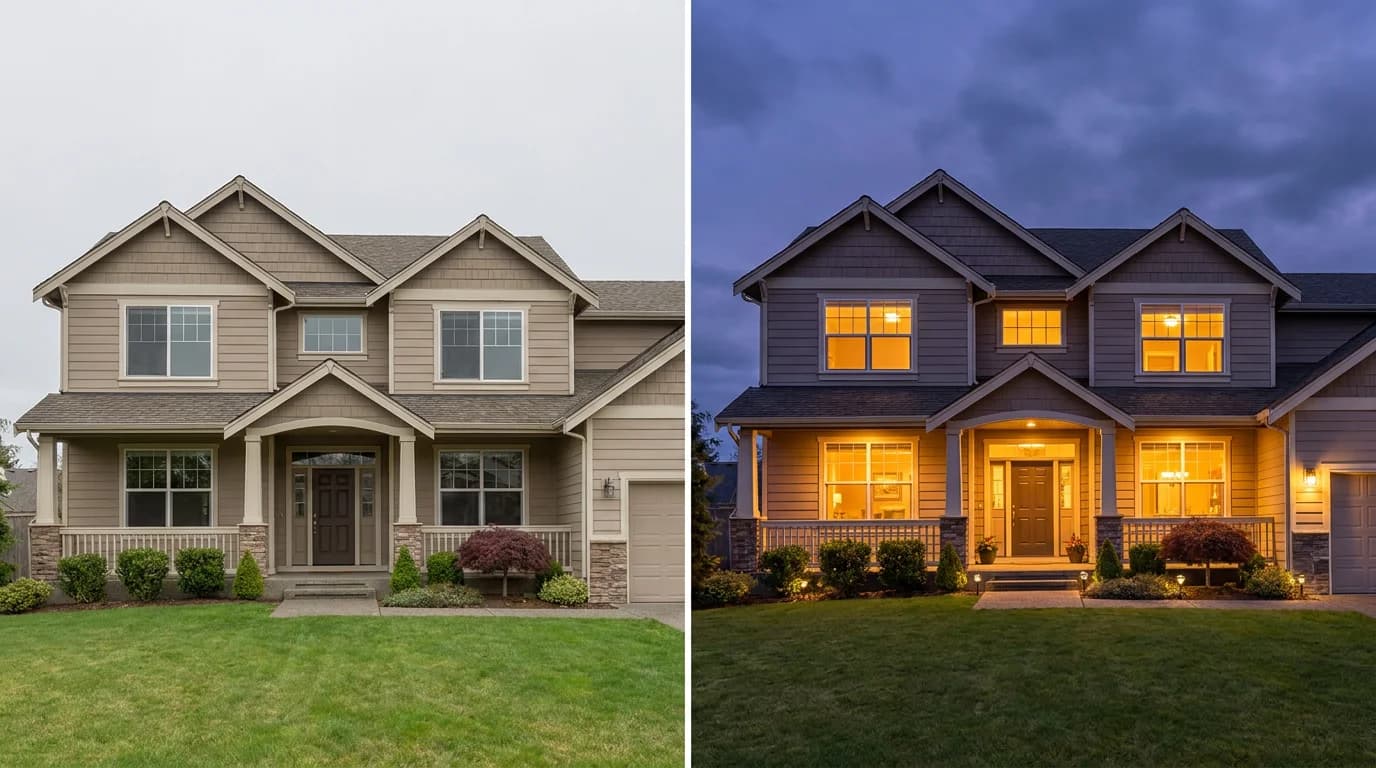
Most listing photos are shot at midday, because that is when the photographer is on site. Midday is also the least flattering light real estate has: flat, shadow-heavy, with a washed-out sky and harsh contrast. Day-to-dusk photo editing is how the best listings fix that after the shoot.
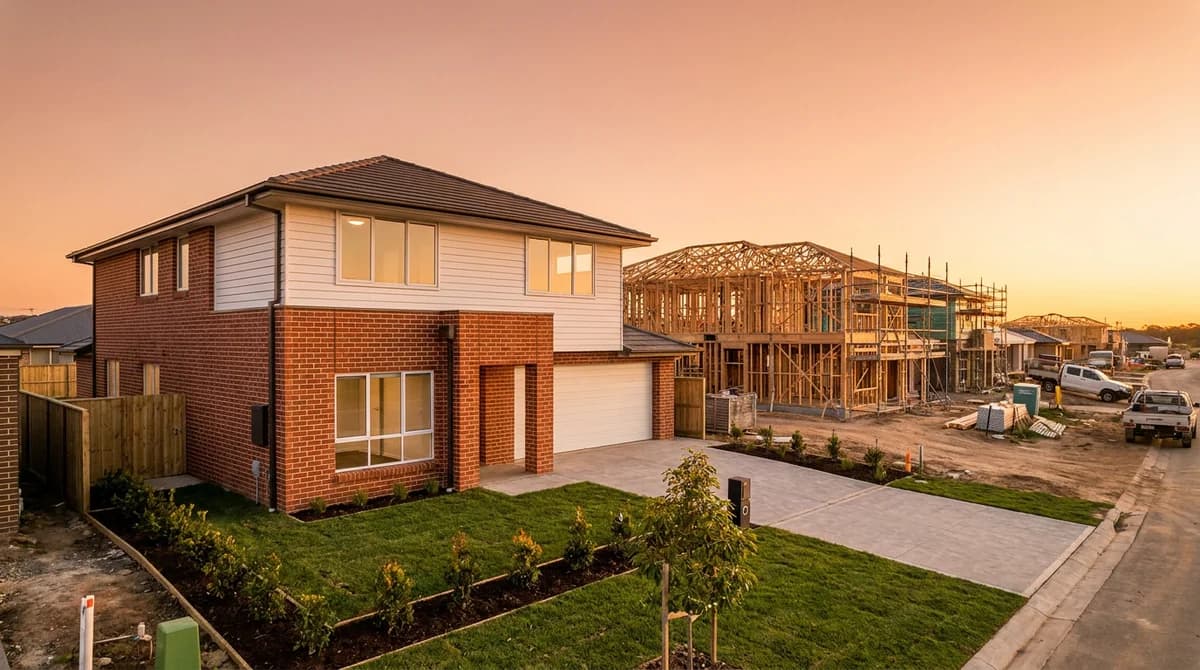
Twilight is the opposite. The sky glows, the windows look warm and lived-in, and the whole property feels like somewhere you want to come home to. Twilight shots reliably pull 2–3x the engagement of daytime exteriors. The problem has always been getting them: a real dusk shoot means timing a 20-minute window after sunset and often a second trip to the property.
Day-to-dusk photo editing removes that constraint. You shoot in daylight like normal, then convert the exterior to a twilight scene afterward. This guide covers what day-to-dusk editing is, how AI does it in seconds, and how to make the result look real rather than filtered.
What Day-to-Dusk Editing Actually Changes
A convincing day-to-dusk conversion is three edits working together, not one filter:
- Sky replacement. The flat or overcast daytime sky is swapped for a dusk gradient — deep blue fading to a soft pink-orange glow near the horizon.
- Window and fixture glow. Interior lights, porch lights, and landscape lighting are given a warm, inviting glow, as if the house is occupied on an evening.
- Exposure balancing. The whole image is re-balanced so the lit interior and the darker sky both stay visible. Get this wrong and the house turns into a silhouette.
When all three happen together and stay subtle, the image looks like it was captured in the real twilight window. When a tool does only the first, you get the telltale "dark photo with a purple sky" look that buyers and agents recognize instantly.
The Old Ways: Twilight Shoots and Manual Editing
There have traditionally been two ways to get a twilight shot, and both are expensive.
The real twilight shoot. The photographer arrives before sunset, sets up, and works a 20–30 minute window of usable light. If the weather is wrong or the first frames miss, that is a return trip. Photographers charge a premium for twilight precisely because of this logistical cost.
Manual Photoshop editing. A skilled retoucher can convert a daytime shot to dusk by hand — masking the sky, painting in window glow, and grading the exposure. Done well it looks excellent. It also takes 15–45 minutes per image and real Photoshop skill, which is why outsourced twilight edits cost $5–$30 each.
Both produce great results. Neither is fast or cheap enough to apply to every listing.
How AI Day-to-Dusk Editing Works
AI day-to-dusk tools do all three edits — sky, glow, exposure — from a single daytime photo, automatically, in seconds.
In RoomLift, the workflow is:
- Upload a daytime exterior photo (JPG, PNG, or HEIC straight from a phone or camera).
- Choose the Twilight preset for a full cinematic dusk look, or Day-to-Night for a darker evening with warm window light, or Sky Replacement if you only want to swap a grey sky for a clean blue one.
- Generate. The finished image is ready in about 10–20 seconds, at up to 4K for print and large displays.
Because it is a preset rather than manual masking, you can run every exterior in a shoot through it in the time it used to take to edit one by hand. The cost per image is a fraction of an outsourced retouch.
Convert a daytime exterior into a 4K twilight shot in 20 seconds — try RoomLift free
Stage your first room in 20 seconds. No design skills needed.
How to Get a Result That Looks Real
The difference between a twilight edit that sells and one that looks fake comes down to a few habits.
Start from a clean, well-exposed daytime photo. Garbage in, garbage out. A flat, properly exposed shot with a clear view of the windows gives the AI the most to work with. If the original is blown out or underexposed, fix that first.
Match the sky to the property's character. A deep, dramatic dusk suits a modern luxury home; a softer, warmer glow suits a cottage or family home. Most tools offer a range — pick the one that flatters the architecture rather than the most intense option.
Keep the window glow believable. Warm and inviting, not radioactive. If every window blazes at the same intensity, it reads as fake. The best results have a natural falloff.
Watch the foreground. The lawn, driveway, and landscaping should sit at an exposure that matches the dusk sky. A bright daytime foreground under a dark sky is the most common giveaway.
Be consistent across the set. If you twilight the hero exterior, the supporting exterior angles should match in mood so the listing feels cohesive.
Where Day-to-Dusk Fits in a Listing
You do not need to twilight every photo — you need the right ones. The highest-impact uses are:
- The hero shot. The lead image on the listing and in social posts. This is the one that earns the click.
- Front facade and curb appeal. Where warm light and a soft sky do the most emotional work.
- Outdoor living spaces. Patios, pools, decks, and gardens look dramatically more inviting at dusk.
Interiors generally stay in clean daylight; twilight is an exterior and outdoor-living technique. For interiors, virtual staging and decluttering do the heavy lifting — see what strong results look like in our virtual staging before and after guide.
A Note on Disclosure
Day-to-dusk editing is widely accepted because it changes lighting and atmosphere, not the property itself. Still, disclosure expectations vary by region and MLS, and you should never use an edit to hide a defect or misrepresent what is actually there. When in doubt, label the image as a virtual twilight rendering. Our virtual staging legal guide covers how disclosure rules generally apply to edited listing images.
The Takeaway
Twilight photos sell — they always have. What has changed is that you no longer need to wait for the light or pay for a return trip to get them. AI day-to-dusk editing turns a midday exterior into a cinematic twilight scene in seconds, for a fraction of the cost of a shoot or a manual retouch. Shoot in daylight, convert afterward, and put a hero image on every listing that stops the scroll.
If you are building out a full AI editing service, day-to-dusk is one piece — see our guides on AI tools for real estate photographers and the complete real estate photo editing workflow.
Add same-day twilight conversion to your listings — start your RoomLift free trial
Stage your first room in 20 seconds. No design skills needed.
Sources & References
- National Association of Realtors (2024). Profile of Home Staging. NAR Research.
- ReimagineHome (2025). Day-to-Dusk Magic: Virtual Twilight Real Estate Photography That Sells.
- PhotoUp (2024). Real Estate Twilight Photography: A Complete Guide. PhotoUp Learning Center.
Ready to transform your listings?
Stage your first room in 20 seconds. No design skills needed.