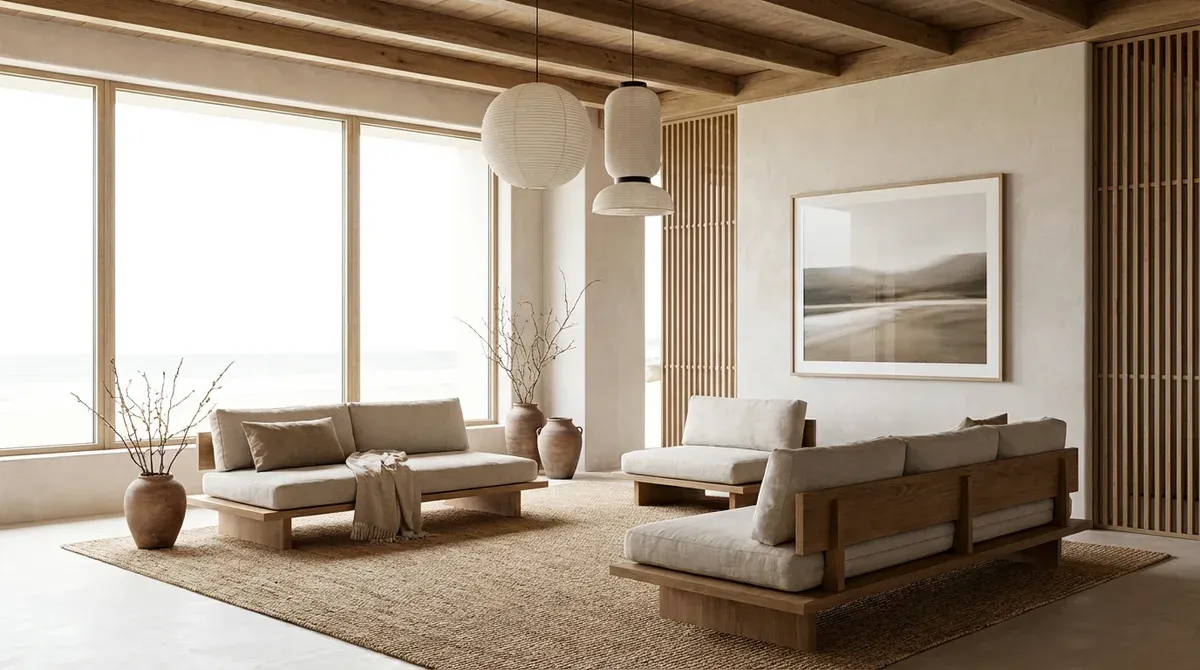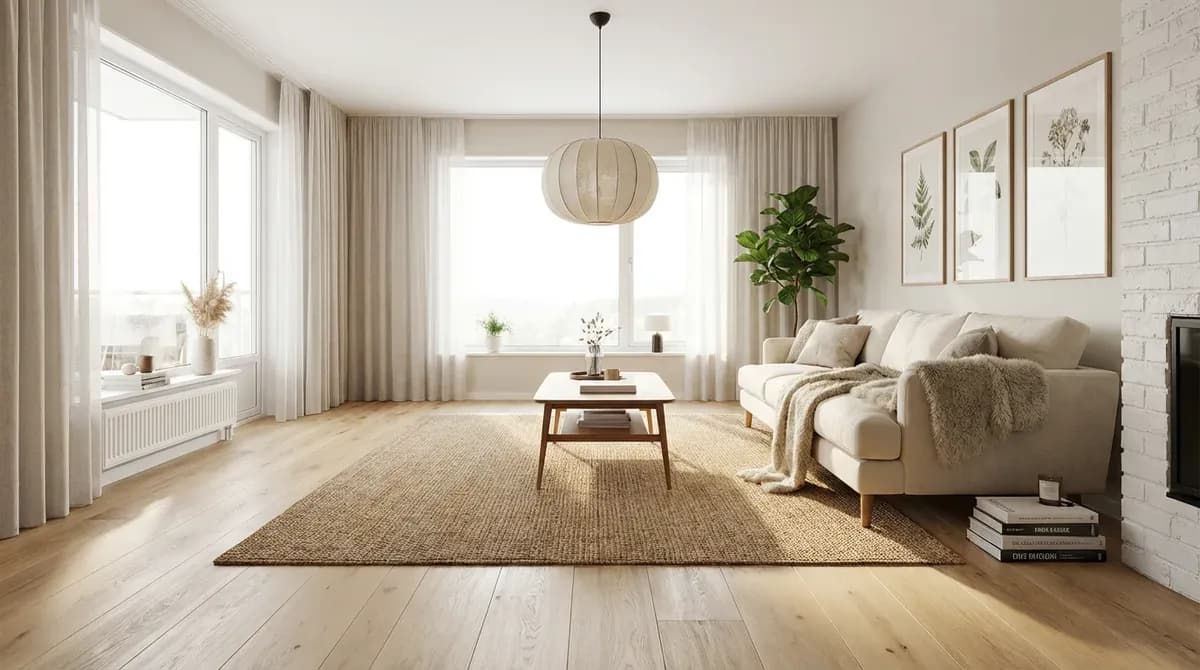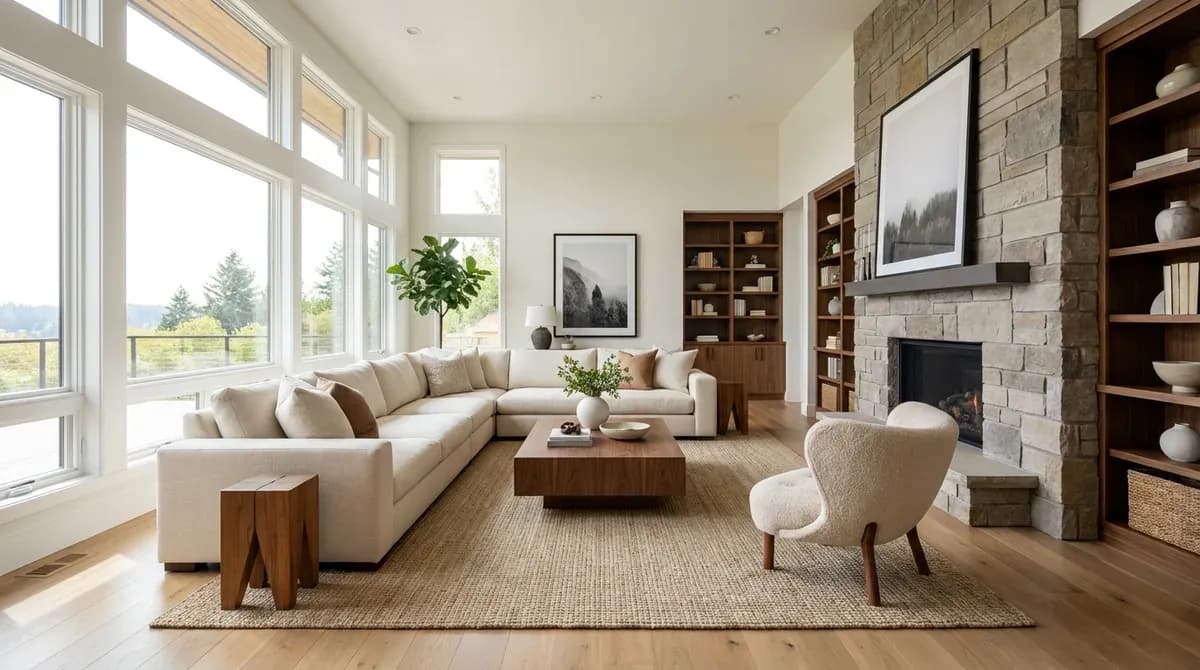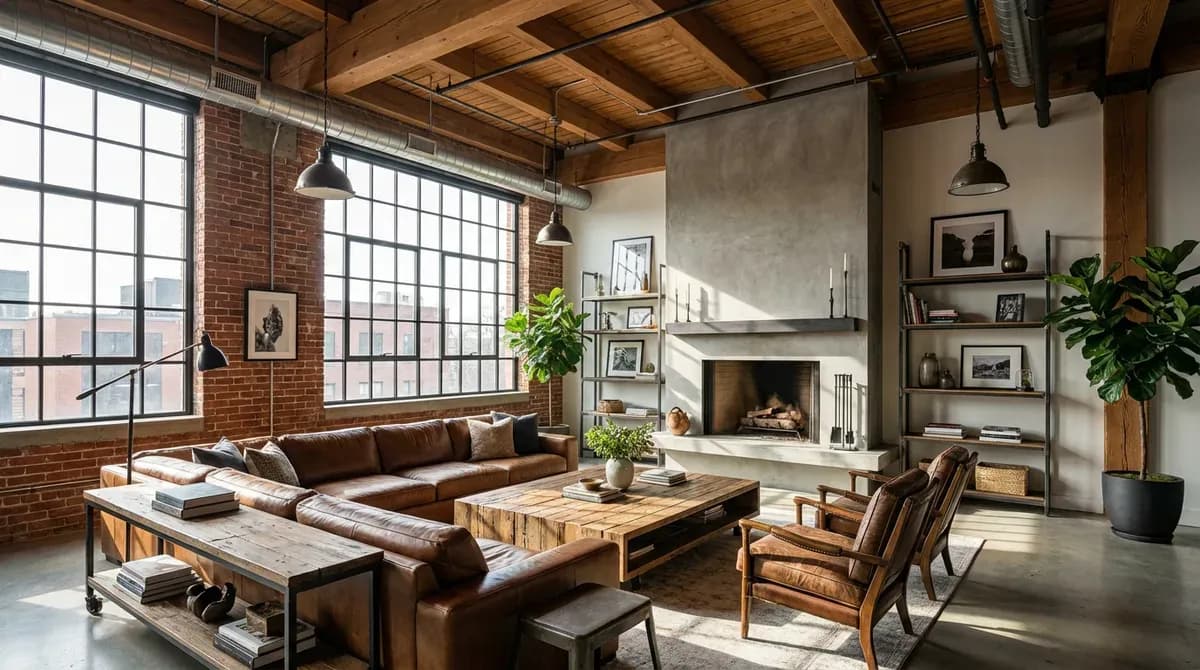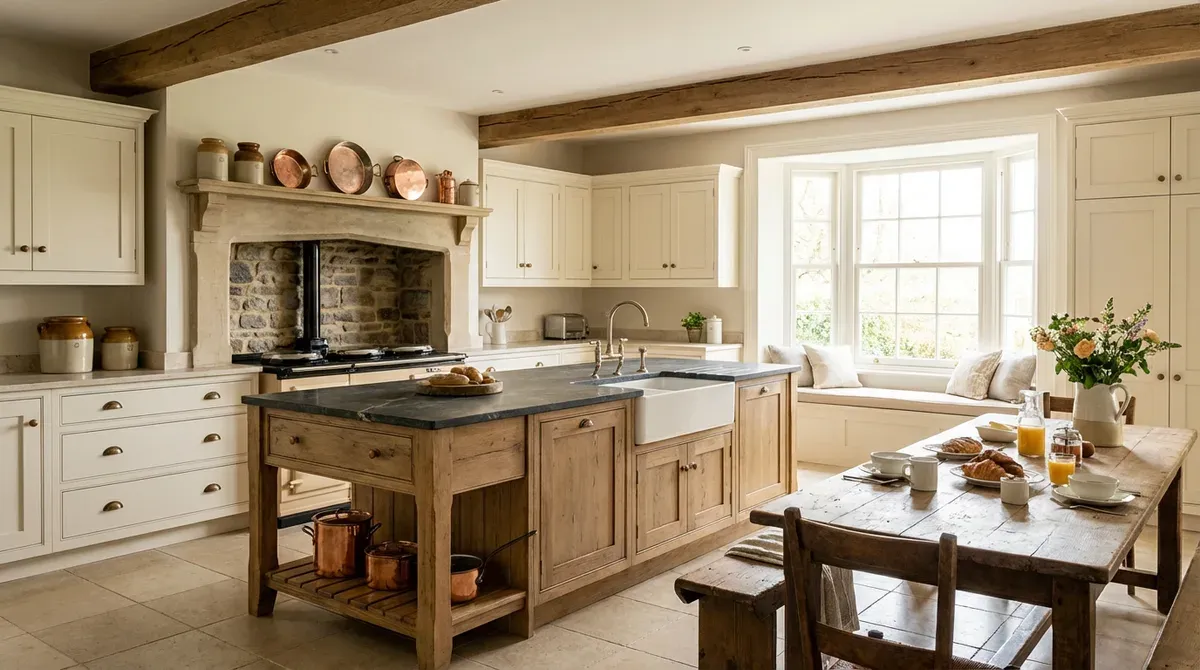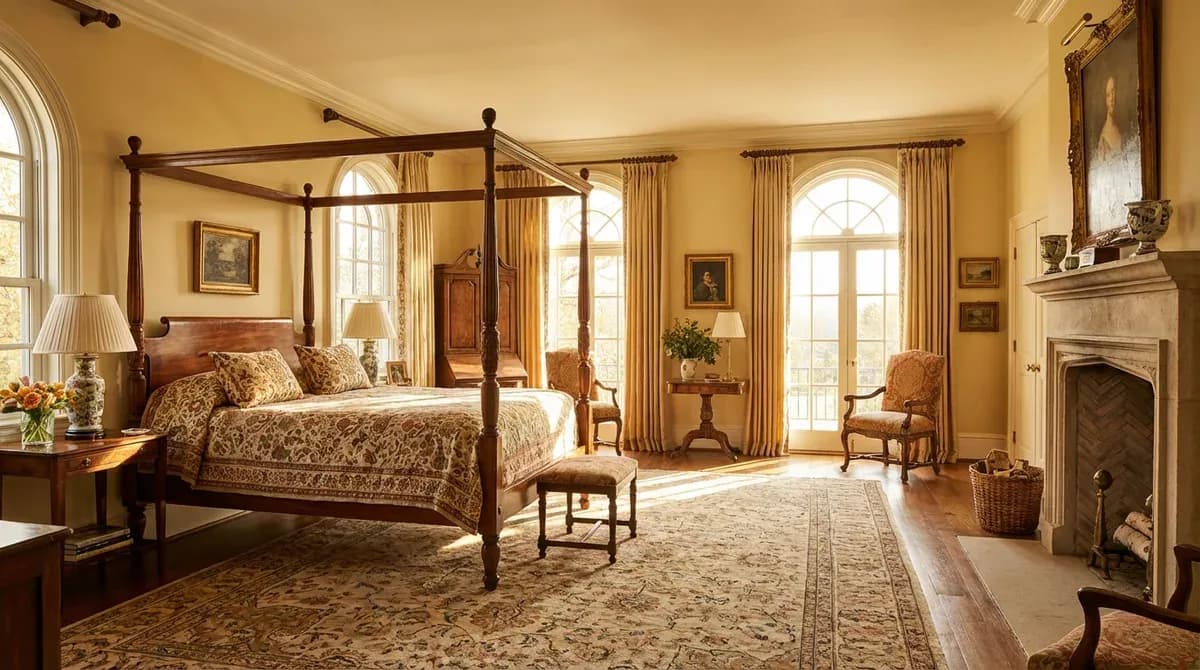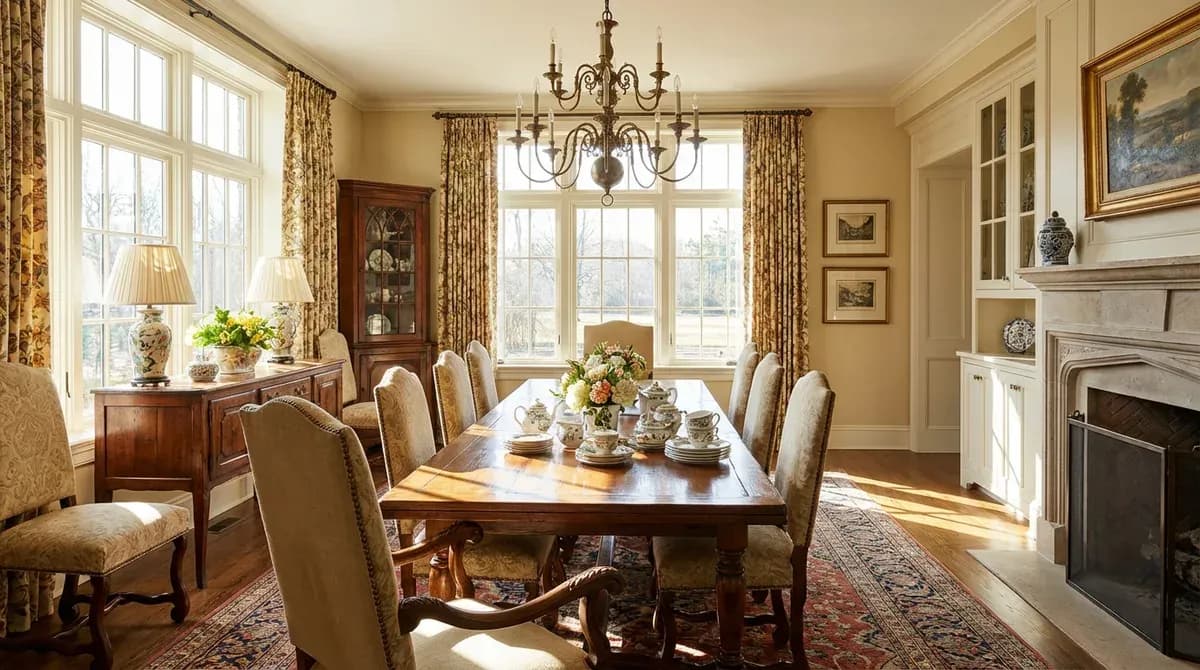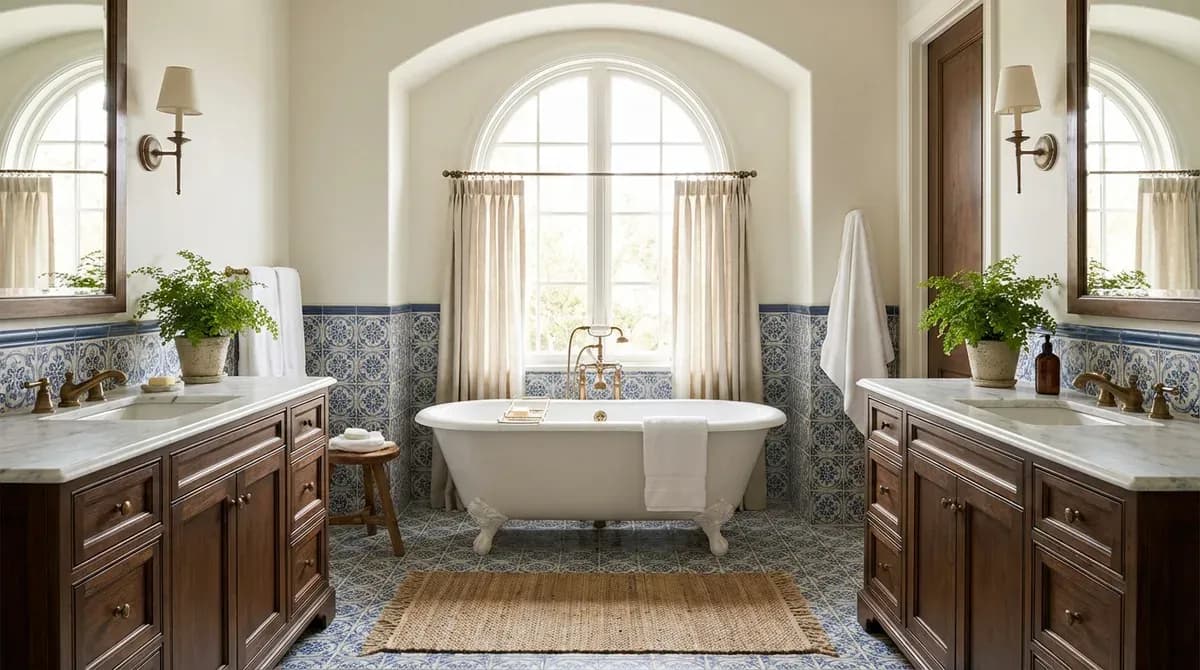
Traditional Living Room Design
AI-Powered Design Visualization
Upload a photo of your living room and transform it into stunning Traditional design in under 60 seconds.
No credit card required. 10 free renders.

Color Palette
The essential colors of Traditional living room design
Design Tips
Expert recommendations for your Traditional living room

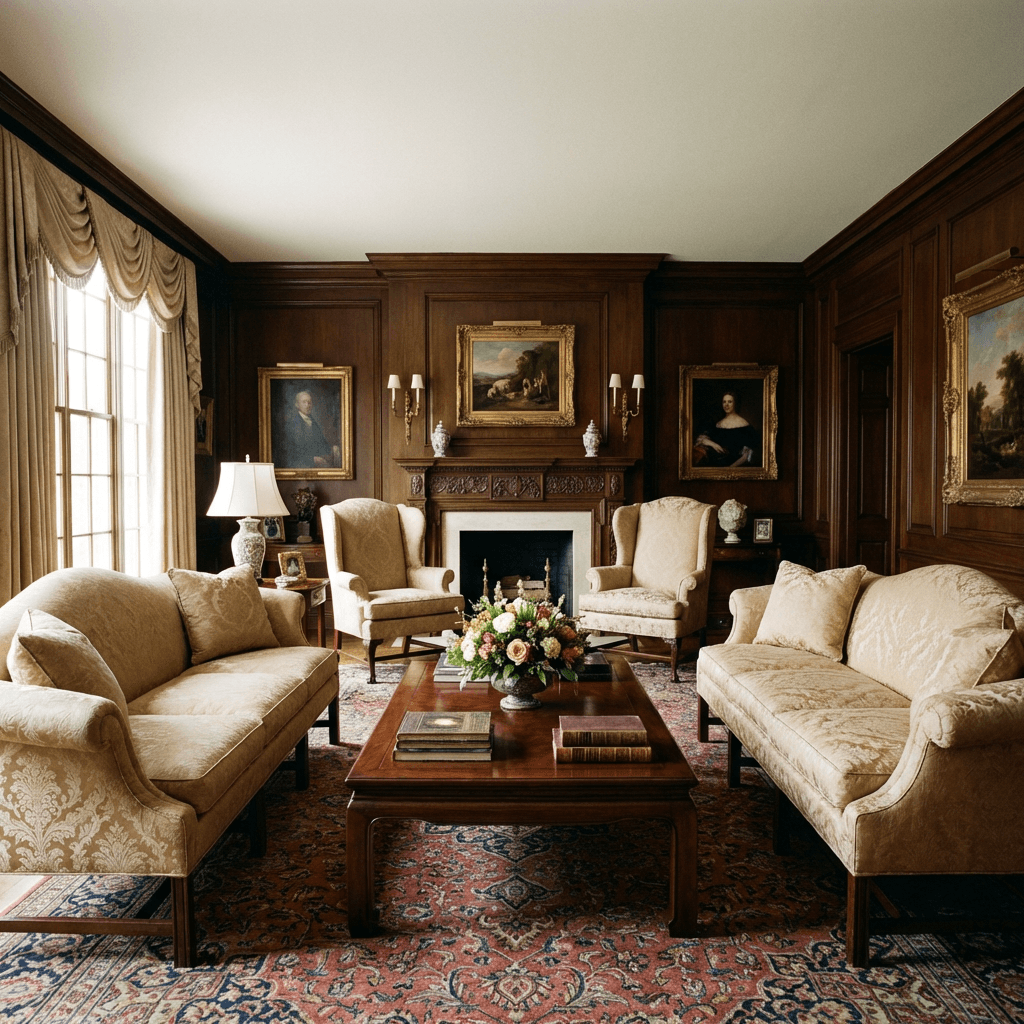
Arrange seating in a symmetrical conversation grouping
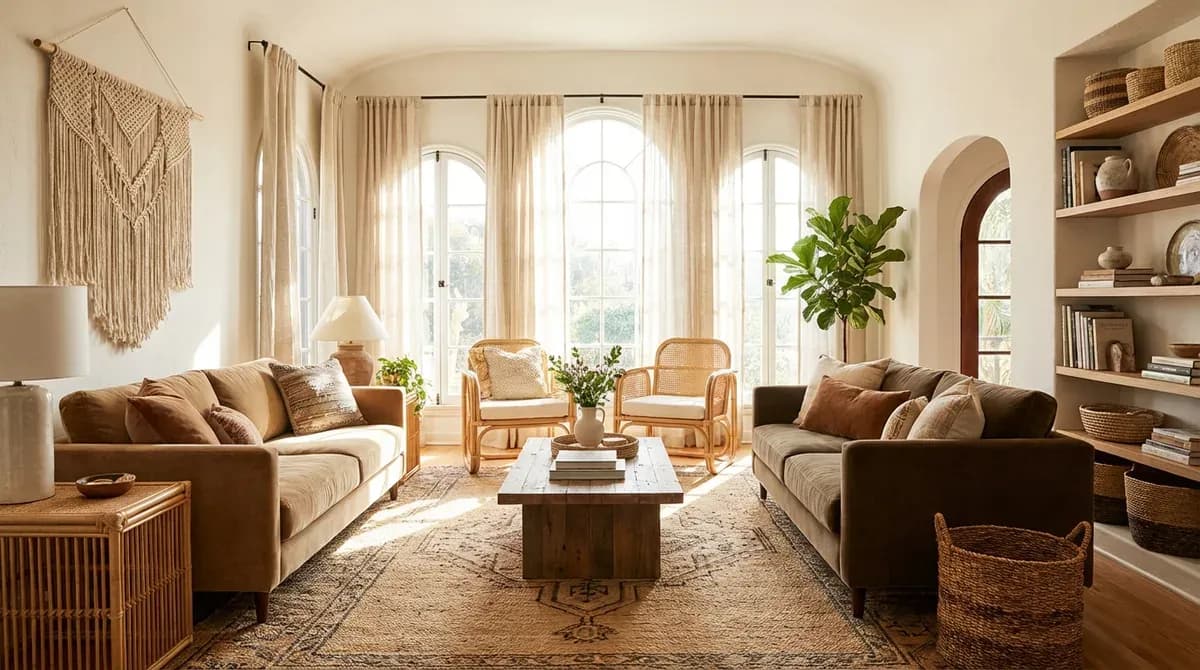
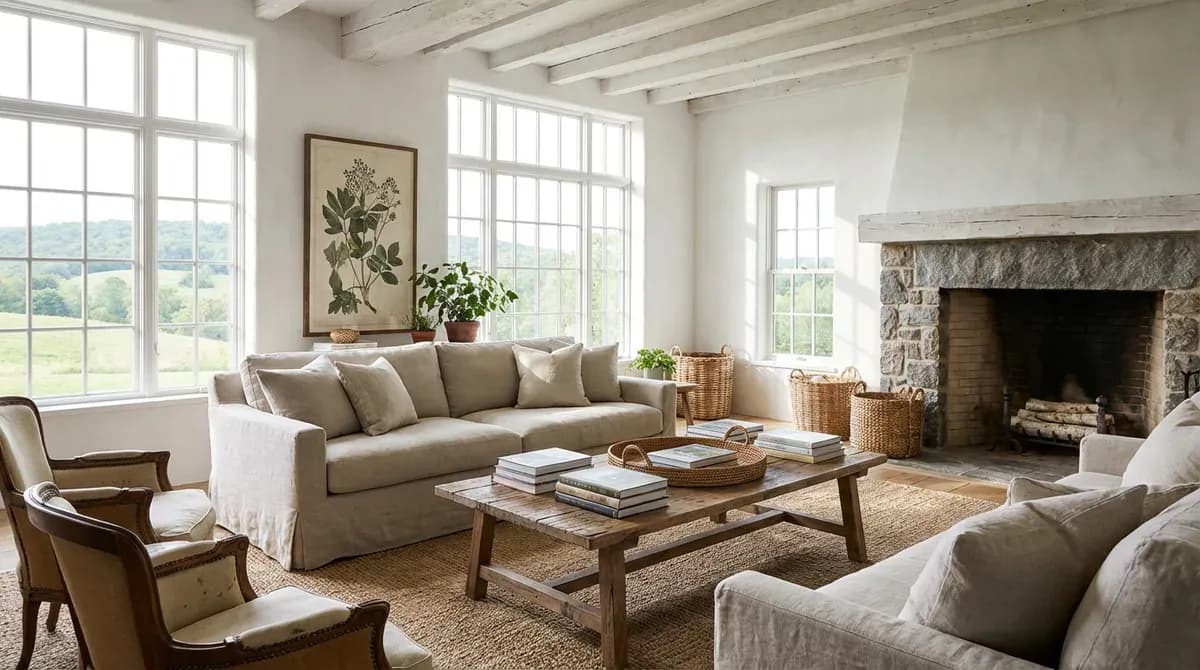
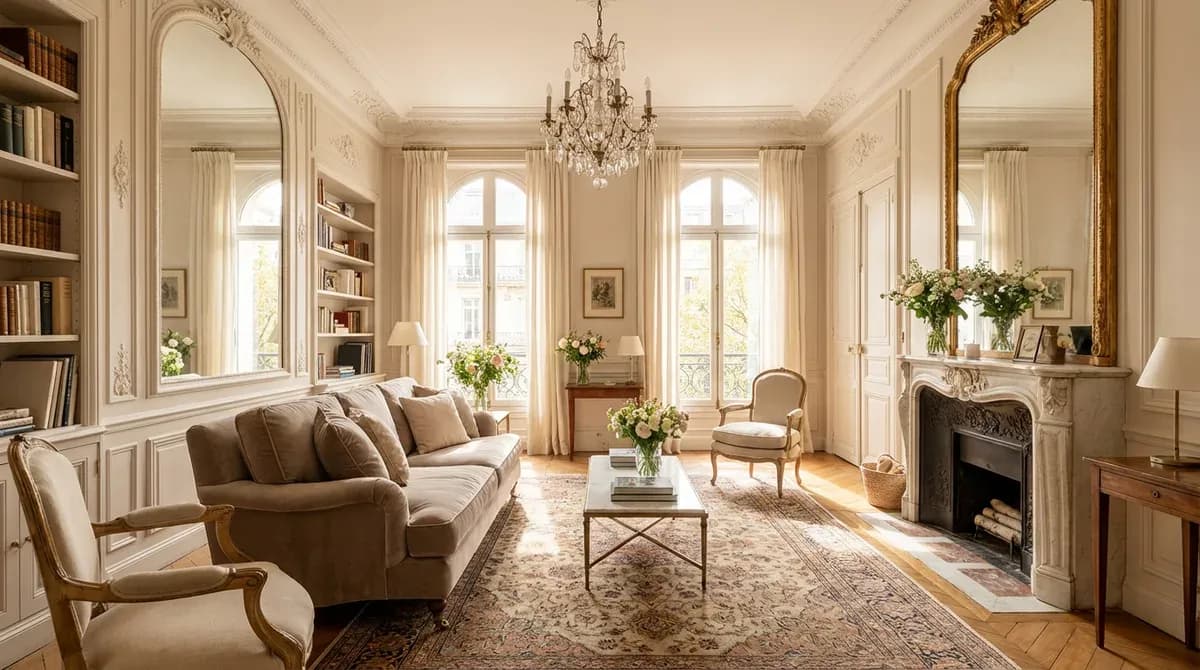
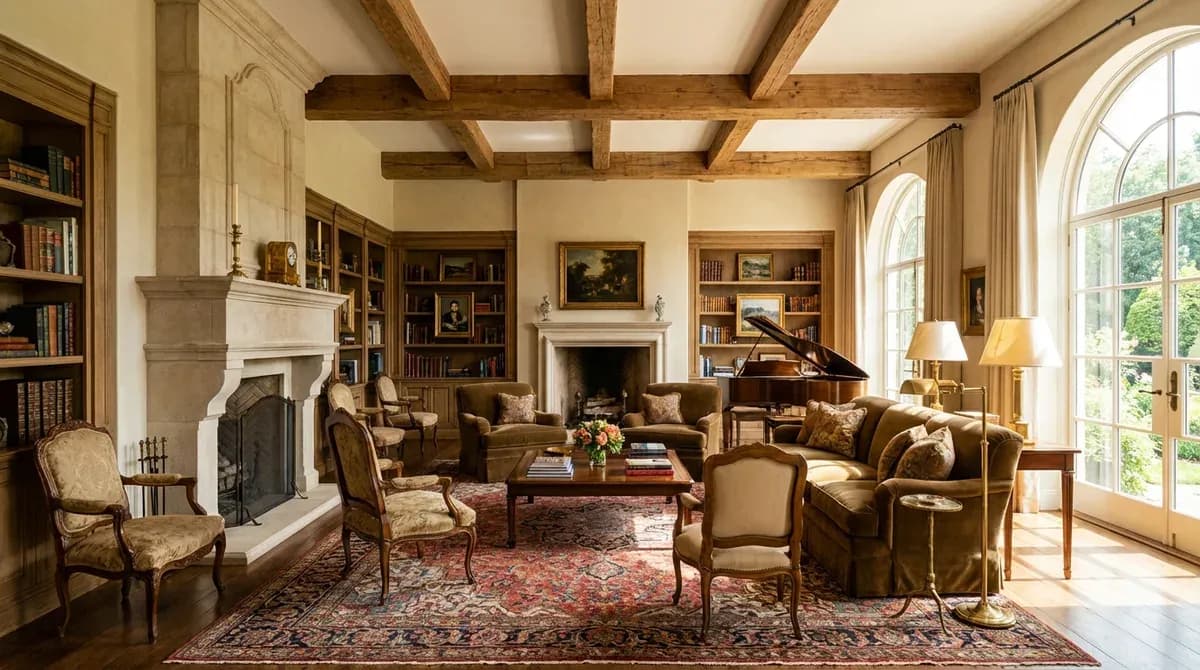
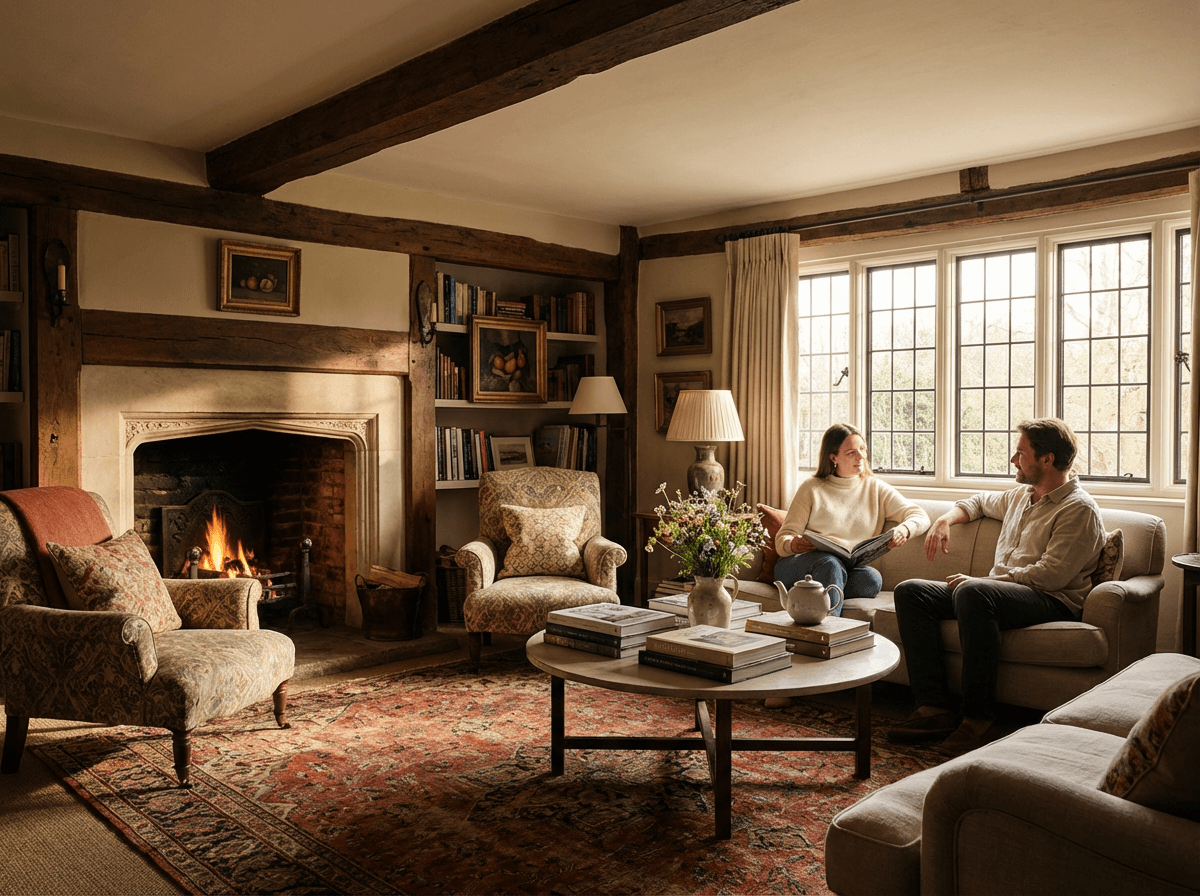
The traditional living room is organized for face-to-face conversation, not TV viewing. Place two sofas facing each other across a coffee table, or a sofa and two matching armchairs in a U-shape around a fireplace. Symmetry is paramount — matching tables, matching lamps, matching pillows — to create the visual order that defines the style.

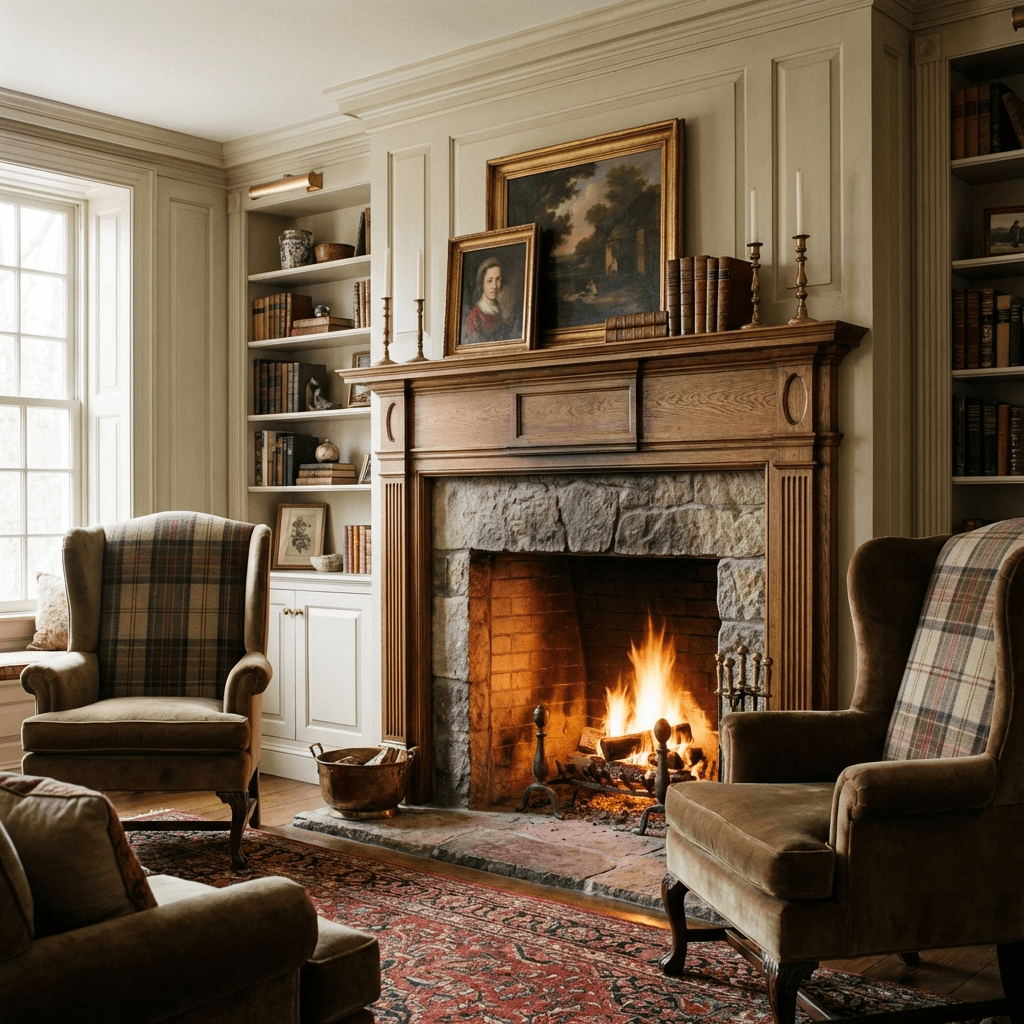
Build the room around a focal fireplace wall
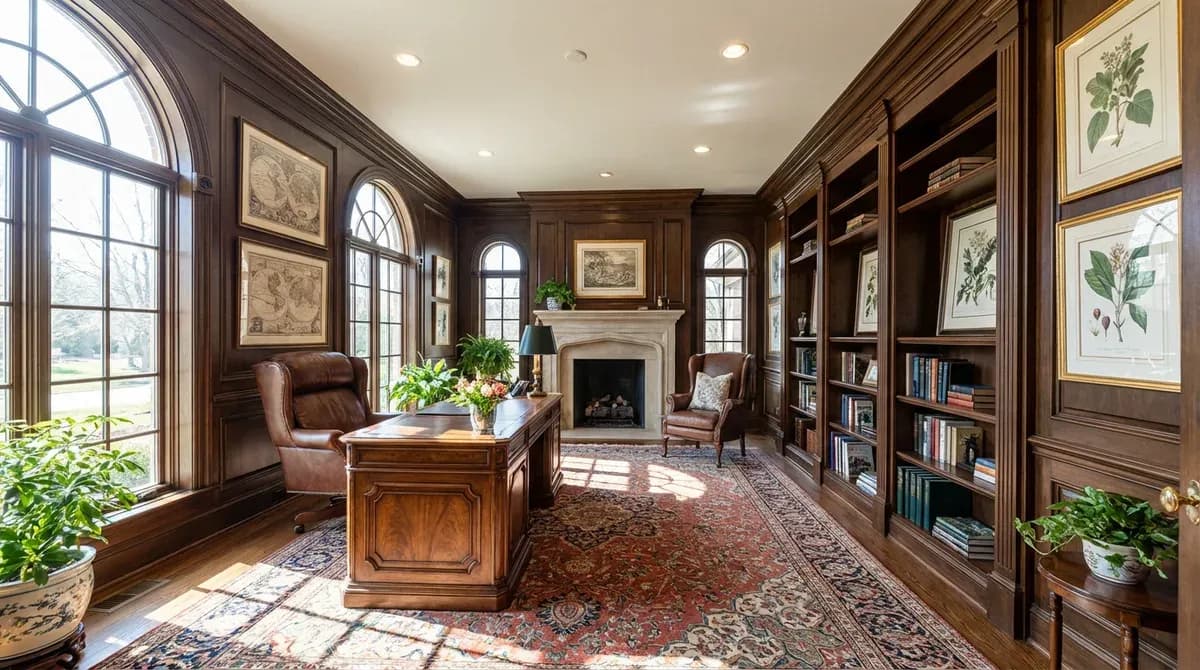
A fireplace with a carved mantel, flanked by built-in bookcases or display cabinets, is the traditional living room's architectural centerpiece. If you don't have a fireplace, create a focal wall with a large framed painting above a console table flanked by matching sconces. The eye needs a destination to anchor the room's symmetry.

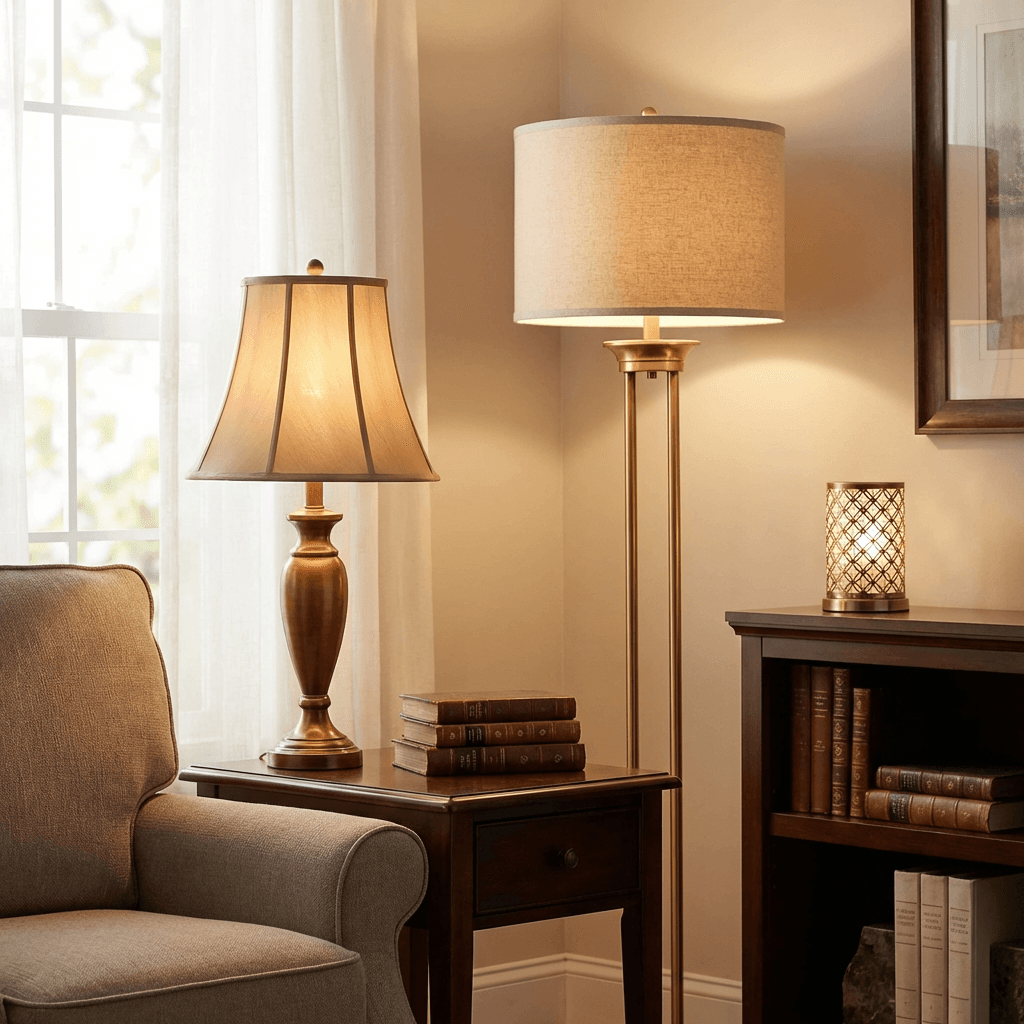
Use a layered lighting scheme with lamps, not overhead fixtures
Traditional living rooms rarely rely on a single overhead light. Instead, layer matching table lamps on end tables, a pair of floor lamps behind the sofa, wall sconces flanking the fireplace, and candles on the mantel. Each fixture should have a fabric shade in cream or ivory that casts warm, flattering light.

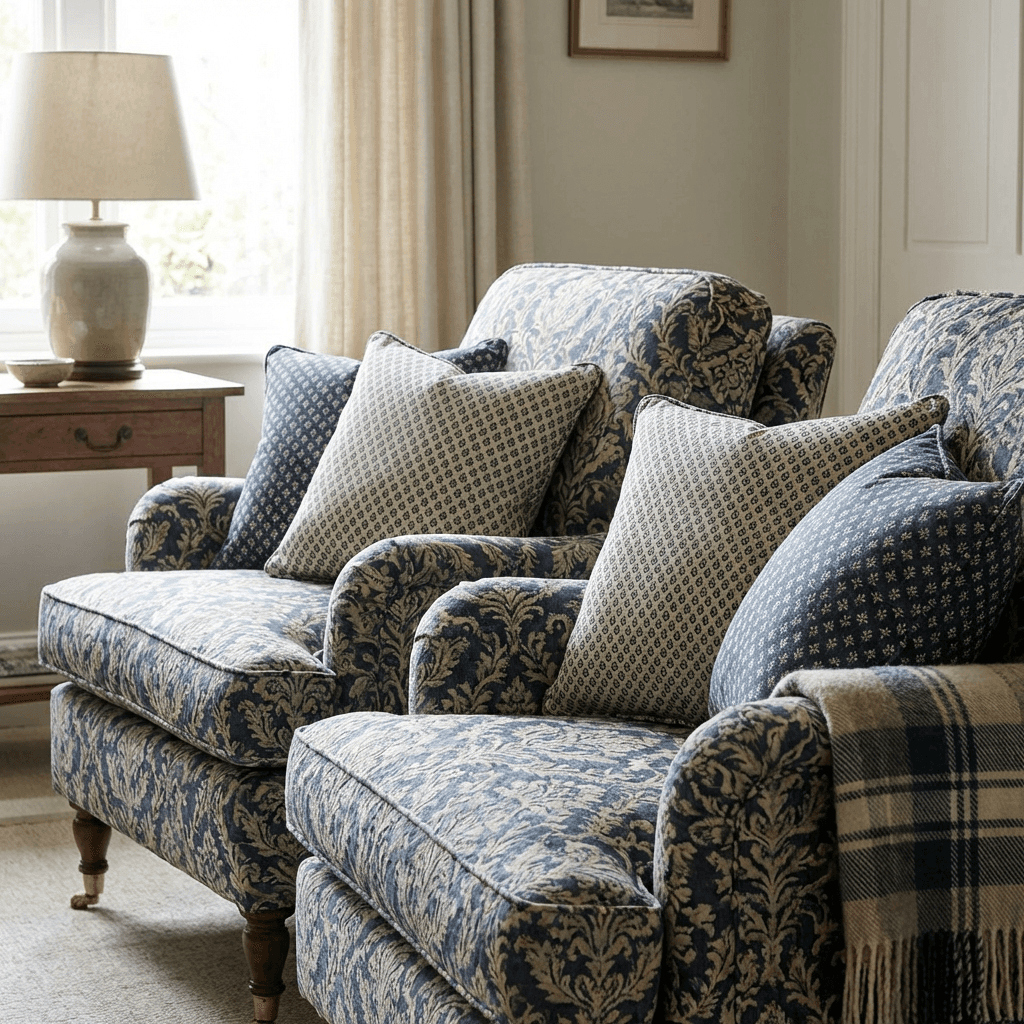
Introduce pattern through textiles in a controlled palette
Damask, plaid, stripe, and floral are the four pillars of traditional pattern. Use them across pillows, curtains, and upholstery, but limit the room to two or three patterns max and ensure they share a common color. A navy plaid pillow, a burgundy damask curtain, and a striped ivory-and-gold ottoman can coexist because they share the room's palette.
Furniture Recommendations
Key pieces for the perfect Traditional living room

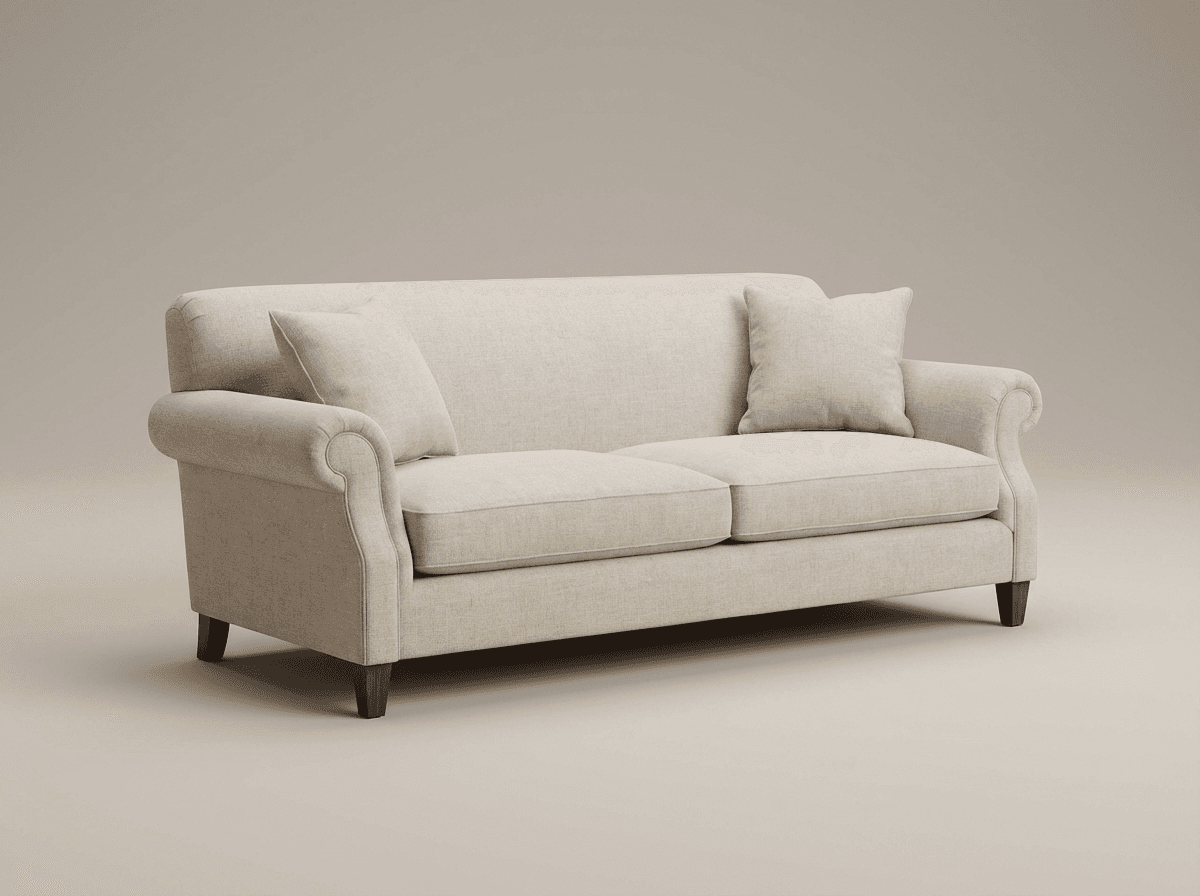
Rolled-arm sofa in linen or velvet
A deep, comfortable sofa with rolled or English arms, a tight or cushioned back, and turned or bun feet in dark wood. Upholstered in natural linen, navy velvet, or a durable cotton-blend in a warm neutral. The sofa should seat three comfortably and be paired with a second identical sofa or a pair of matching armchairs.

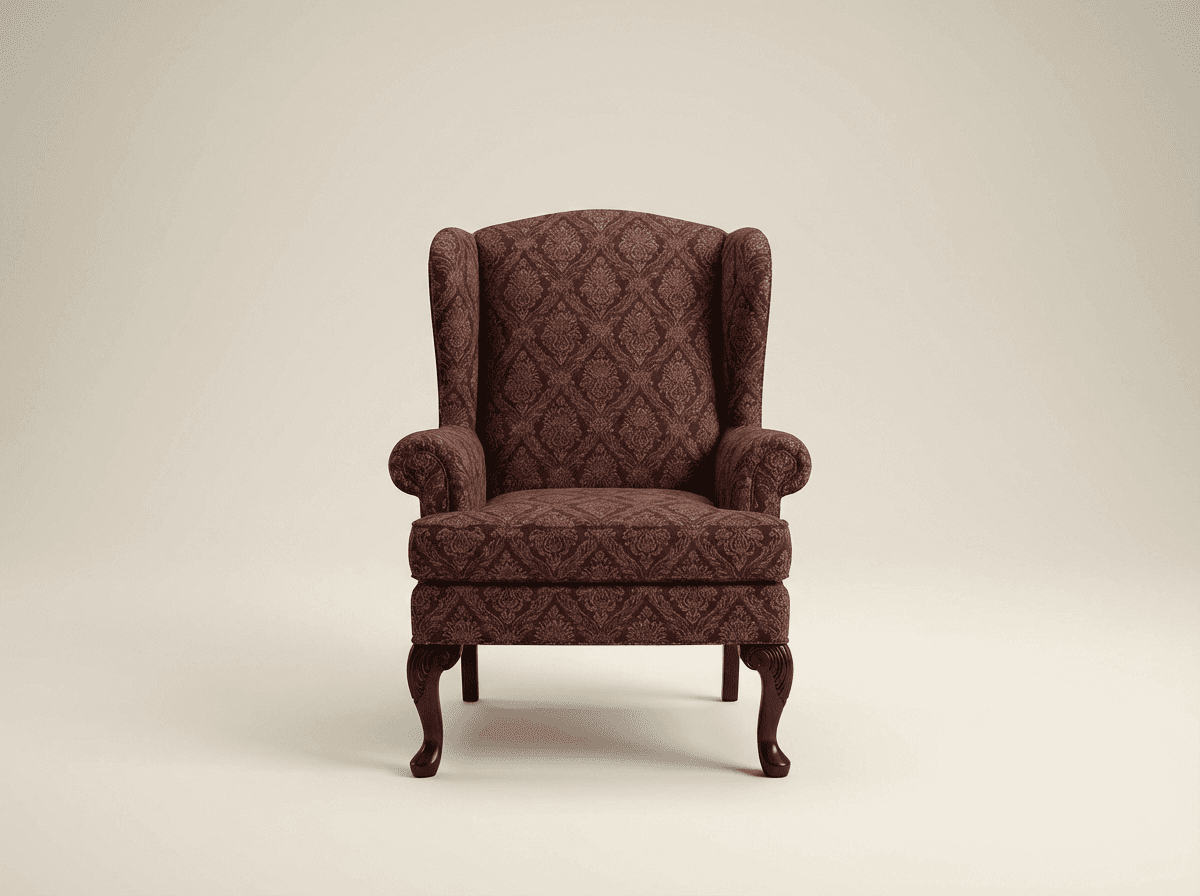
Wingback armchair
A high-backed armchair with protective side wings, designed originally to shield from drafts. Upholster in a complementary fabric — leather, velvet, or a patterned textile — and place flanking the fireplace or at an angle to the sofa. The wingback is the traditional living room's most iconic seating piece.

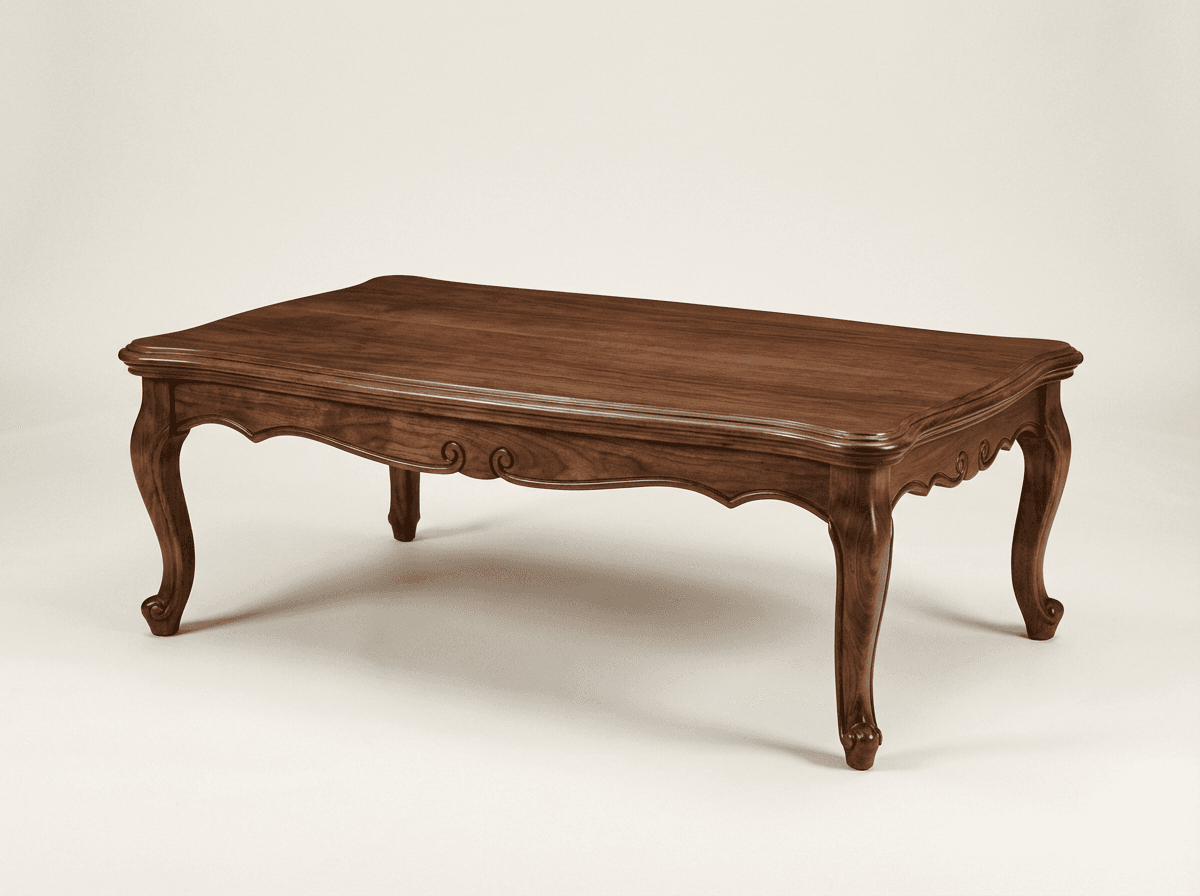
Oval or rectangular coffee table in dark wood
A coffee table in mahogany, walnut, or cherry with cabriole legs, a shaped edge, and perhaps a lower shelf for books. The table should be the same height as the sofa seat (45-50 cm) and proportional to the seating group — roughly two-thirds the sofa's length. An oval shape softens the room's formal geometry.

This Room in Every Style
Explore more design styles for your living room
More Traditional Rooms
See Traditional design in other rooms
Frequently Asked Questions
Tutto quello che devi sapere su RoomLift — per designer, agenti e chiunque trasformi spazi con l'AI.
- How do I arrange furniture in a traditional living room?
- Start with a focal point (fireplace or large painting) and arrange seating symmetrically around it. Two facing sofas or a sofa with two matching armchairs, a coffee table centered between them, and matching end tables with lamps on each side. Leave clear walkways of at least 90 cm around the seating group.
- What sofa style is traditional?
- A rolled-arm (scroll arm) sofa with a tight or semi-attached back, turned legs, and nailhead trim is the quintessential traditional sofa. The Chesterfield (all-over tufted, rolled arms) and the English arm (low, set-back arm) are classic variations. Upholstery in linen, velvet, or leather works best.
- How do I mix patterns in a traditional living room?
- Follow the rule of three: one large-scale pattern (floral or damask on curtains), one medium-scale (plaid or toile on pillows), and one small-scale (a stripe or geometric on an accent chair). All patterns should share at least two colors from the room's palette. Vary the scale to prevent competition.
- What paint colors work for a traditional living room?
- Rich, saturated colors define the style: navy, hunter green, burgundy, or deep charcoal on an accent wall or all walls. Ivory or cream trim highlights moldings. For a lighter approach, use warm gray, soft sage, or putty on walls with white trim. Avoid stark white or cool gray, which reads as contemporary.
- How do I make a traditional living room feel less formal?
- Swap velvet and silk for linen and cotton. Use a woven jute rug under a smaller Oriental rug. Replace stiff accent pillows with lumbar pillows in relaxed fabrics. Add a basket for throws, fresh flowers in a simple vase, and family photos alongside the formal art. The bones stay traditional, but the textures signal comfort.
No credit card required. 10 free renders.