Home Staging Virtuale: Prima e Dopo dei Risultati Migliori
Mar 5, 2026 · 12 min di lettura
Cosa distingue un home staging virtuale riuscito da uno mediocre: cosa guardare nei risultati prima/dopo di soggiorni, camere, cucine e spazi esterni.
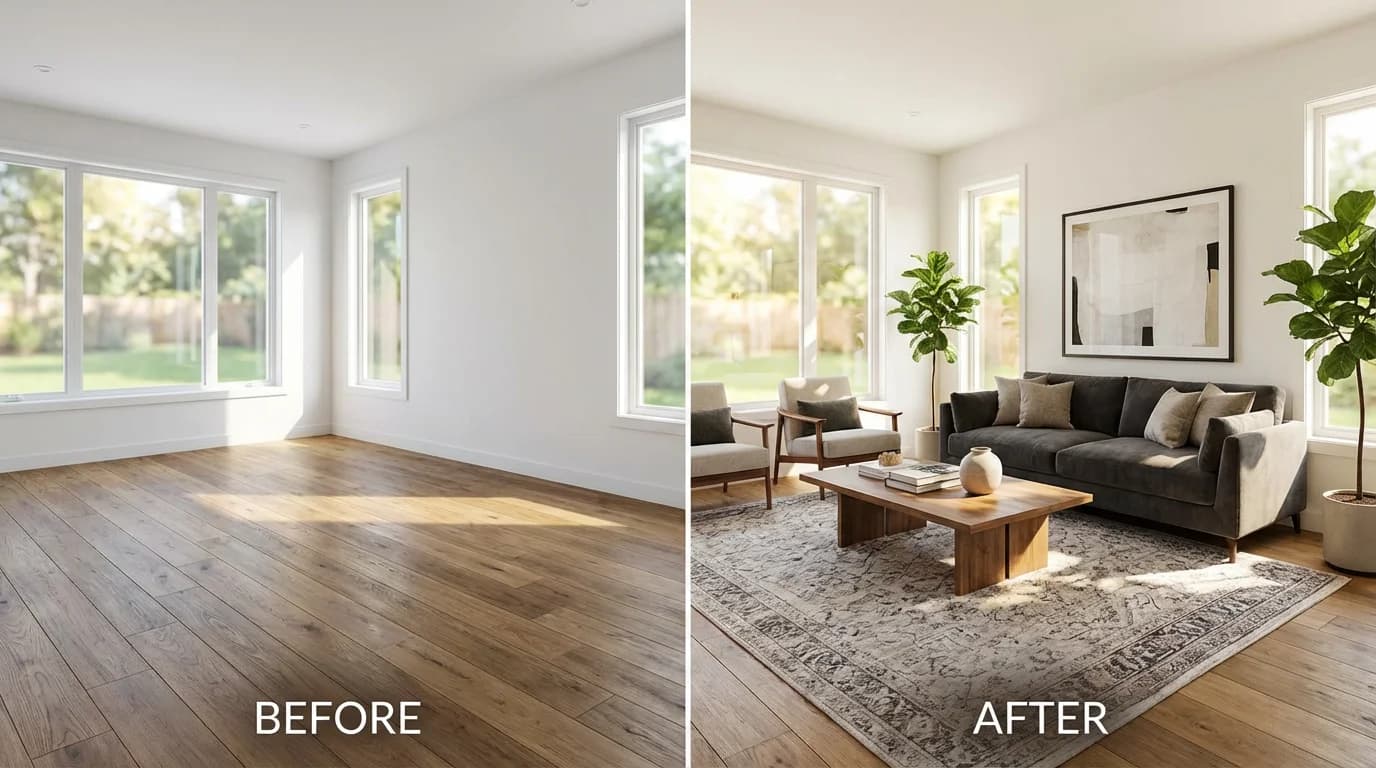
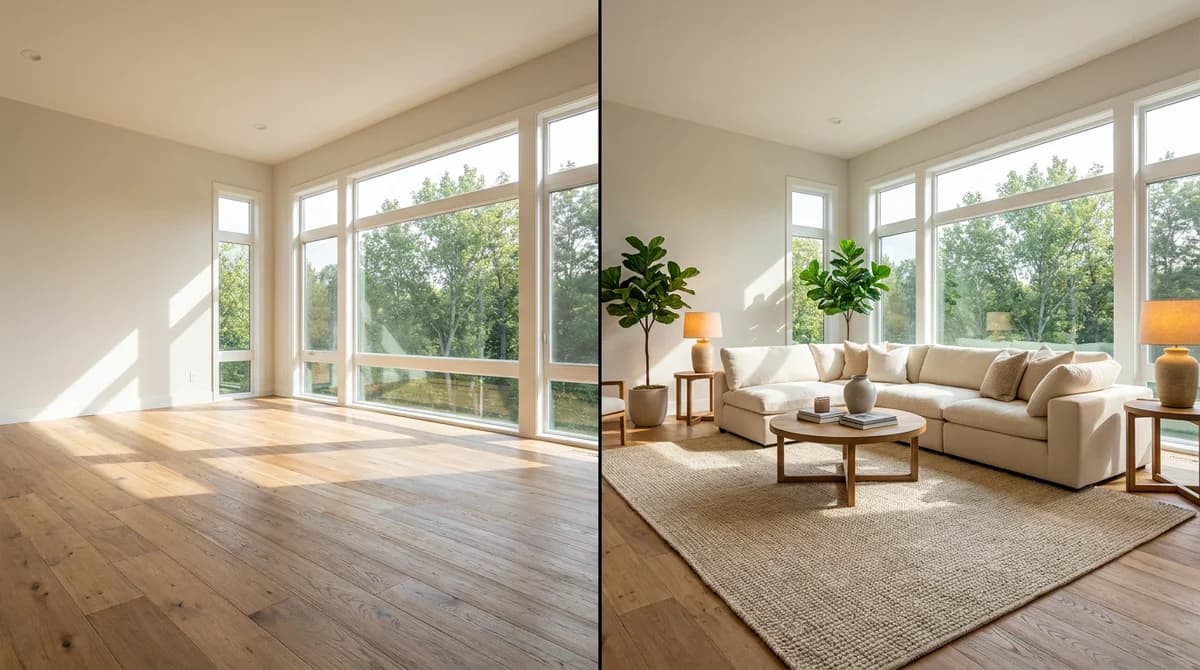
Il modo migliore per valutare l'home staging virtuale è osservare cosa succede quando una stanza vuota diventa arredata. I confronti prima/dopo rivelano tutto: se i mobili sembrano reali, se le proporzioni sono giuste, se lo stile è quello giusto. Sono il test di qualità definitivo.
Questa guida analizza, stanza per stanza, cosa distingue un risultato di home staging virtuale eccezionale da uno mediocre. Che tu sia un agente immobiliare che valuta strumenti di staging o un proprietario che considera l'home staging virtuale per la prima volta, sapere come si presenta un buon risultato ti aiuta a scegliere meglio.
Cosa Rende Eccezionale un Home Staging Virtuale?
Non tutto l'home staging virtuale è uguale. Prima di valutare una qualsiasi trasformazione prima/dopo, devi sapere cosa cercare. Sono cinque i fattori che separano un risultato di livello professionale da uno palesemente finto.
Luce e ombre fotorealistiche. È il segnale più rivelatore in assoluto. In un'immagine ben allestita, i mobili aggiunti proiettano ombre coerenti con la direzione e l'intensità delle fonti di luce già presenti nella stanza. Se il sole entra da una finestra a sinistra, le ombre devono cadere a destra. I mobili vicino alle finestre dovrebbero catturare qualche riflesso di luce. Le superfici lucide dovrebbero mostrare riflessi coerenti con l'ambiente. Quando la luce non torna, anche i mobili più belli sembrano incollati sopra la foto.
Proporzioni dei mobili adeguate. Un letto king in una camera di 3x3 metri è assurdo. Un divanetto minuscolo in un soggiorno enorme sembra un mobile da casa delle bambole. Un buon staging sceglie pezzi proporzionati alla stanza, lasciando percorsi di passaggio liberi e un margine di respiro senza far sembrare lo spazio vuoto.
Coerenza di stile. Un tavolo rustico da fattoria in un loft moderno e minimal manda il messaggio sbagliato. Lo stile dello staging deve rispecchiare sia l'architettura dell'immobile sia il profilo dell'acquirente più probabile. Una casa mid-century modern chiede linee pulite e gambe affusolate. Una villa in stile coloniale tradizionale trae vantaggio da tessuti classici e toni di legno caldi. L'obiettivo è aiutare l'acquirente a immaginarsi in quello spazio, non mettere in mostra il gusto personale del designer.
Rispetto dell'architettura originale. Pareti, pavimenti, finestre, cornici ed elementi fissi della stanza originale devono restare completamente intatti. Un buon staging aggiunge mobili e decorazioni senza alterare alcun elemento strutturale. Se la stanza ha un pavimento in parquet, quel pavimento deve restare pienamente visibile intorno e sotto i mobili. Se c'è un camino, lo staging dovrebbe valorizzarlo, non nasconderlo.
Posizionamento naturale. I mobili devono poggiare saldamente a terra. I tappeti devono restare piatti, con le gambe dei mobili appoggiate sopra in modo naturale. Niente dovrebbe fluttuare, attraversare una parete o restare sospeso sul pavimento. Le sedie devono essere infilate sotto i tavoli con angolazioni realistiche. I cuscini decorativi devono avere pieghe naturali. Sono questi piccoli dettagli a fare la differenza tra una foto allestita che vende e una che desta sospetti.
Prima e Dopo: Soggiorni
Il soggiorno è di solito la prima foto interna di un annuncio ed è lo spazio su cui gli acquirenti si soffermano di più. Un soggiorno vuoto è una tela bianca che la maggior parte degli acquirenti fatica a immaginare arredata. Uno allestito, invece, racconta una storia su come si vive in quella casa.
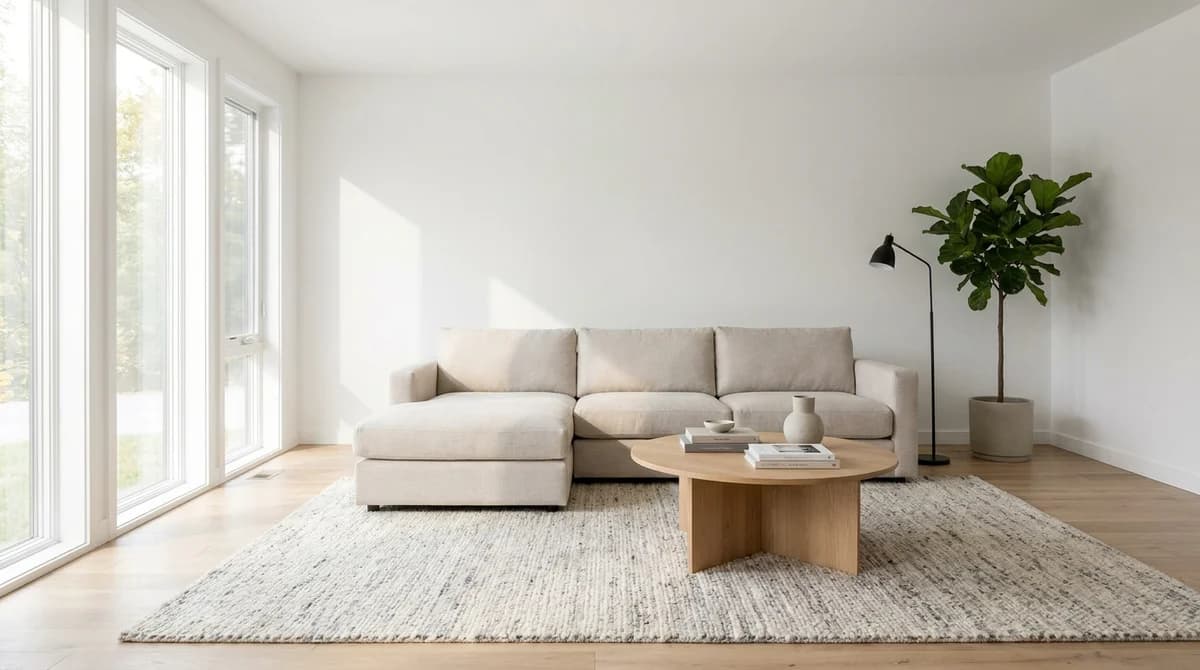
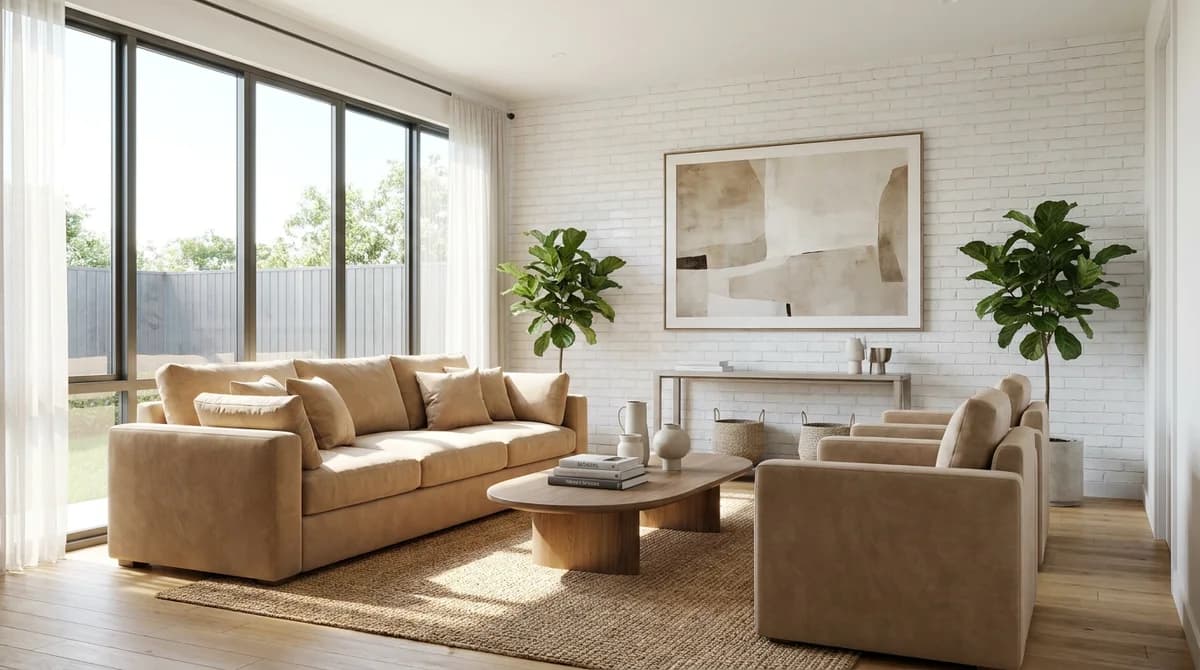
Una trasformazione del soggiorno riuscita parte dall'ancorare lo spazio. L'AI individua il punto focale naturale della stanza, in genere un camino, una finestra grande o una parete a effetto, e orienta la disposizione dei divani attorno a esso. Un divano guarda verso il punto focale, affiancato da comodini con lampade. Un tavolino basso occupa il centro. Un tappeto definisce la zona conversazione e scalda un pavimento duro.
I risultati migliori creano profondità. Invece di spingere tutti i mobili contro le pareti, un soggiorno ben allestito porta il divano più avanti, lascia spazio dietro per una consolle e posiziona le poltrone ad angolazioni che creano un'area conversazione accogliente. È qualcosa che gli home stager fisici sanno per istinto, e ora i migliori strumenti AI lo replicano.
Gli stili che danno costantemente buoni risultati nei soggiorni sono lo Scandinavo (legno chiaro, linee pulite, palette neutra), il Moderno (mobili dal profilo basso, monocromatico con un solo colore d'accento) e lo stile di transizione, il mix tra comfort tradizionale e semplicità contemporanea che piace al pubblico più ampio di acquirenti. Con RoomLift puoi generare lo stesso soggiorno in più stili nel giro di pochi secondi e confrontare quale funziona meglio per l'immobile.
Prima e Dopo: Camere da Letto
Le camere da letto vuote sono notoriamente difficili da valutare per gli acquirenti. Senza mobili è quasi impossibile capire se una stanza ospita comodamente un letto queen size con comodini o se è appena sufficiente per un letto singolo. Lo staging risponde a questa domanda all'istante.
Una trasformazione ben riuscita mette al centro un letto delle dimensioni giuste, e azzeccare la misura conta moltissimo. Una camera padronale spaziosa dovrebbe mostrare un letto king con comodini abbinati, una panca ai piedi del letto e magari una poltrona vicino alla finestra. Una camera secondaria funziona meglio con un letto queen o matrimoniale, un solo comodino e una piccola scrivania, che suggerisce la versatilità di una stanza per gli ospiti o di un home office.
Ciò che eleva lo staging della camera da letto da accettabile a eccellente è il fattore calore. Biancheria a strati con texture visibile, un plaid piegato ai piedi del letto, cuscini decorativi disposti in modo naturale (non impilati alla perfezione), un tappeto morbido accanto al letto. Lampade da comodino dai toni caldi al posto della luce a soffitto. Sono questi dettagli a far sembrare la stanza vissuta e accogliente invece che uno showroom di mobili.
La differenza prima/dopo nelle camere da letto è spesso la più eclatante. Una camera vuota con pareti bianche spoglie può sembrare fredda e impersonale. La stessa stanza con un letto, tessuti morbidi e luce calda diventa all'improvviso un rifugio. È proprio questo cambio emotivo a guidare l'interesse degli acquirenti.
Prima e Dopo: Cucine
Lo staging della cucina è fondamentalmente diverso da quello delle altre stanze, perché la cucina ha già incorporati gli elementi più importanti: mobili, piani di lavoro, elettrodomestici e spesso un lavello con una finestra sopra. Qui la trasformazione è sottile ma incisiva.
Uno staging efficace della cucina punta su accessori e dettagli di stile di vita. Una ciotola di frutta sul piano. Un tagliere appoggiato contro il paraschizzi. Lampade a sospensione sopra l'isola, se gli elementi già presenti lo consentono stilisticamente. Sgabelli infilati sotto il piano che sporge. Un piccolo giardino di erbe aromatiche vicino alla finestra. Un libro di ricette aperto. Questi tocchi fanno sentire che qualcuno vive davvero e cucina in quella cucina.
La National Association of Realtors riporta costantemente che la cucina è tra le due stanze che pesano di più sulla decisione d'acquisto. Gli acquirenti si proiettano nella scena della cucina: immaginano il caffè del mattino, le cene in famiglia, le serate con gli amici. Lo staging crea proprio quella superficie di proiezione.
Cosa osservare nei prima/dopo delle cucine: gli elementi aggiunti devono intonarsi con l'estetica già presente. Accessori rustici in legno stonano in una cucina moderna e lucida con ante lisce. Oggetti minimal ed essenziali sembrano fuori posto in una cucina country calda con ante a pannello rialzato. Lo staging deve valorizzare il carattere della cucina, non scontrarsi con esso.
Prima e Dopo: Sale da Pranzo
Le sale da pranzo a sé stanti sono sempre più rare nelle piantine moderne, il che rende importante definire chiaramente la zona pranzo quando esiste, soprattutto nelle planimetrie open space dove, senza mobili, quello spazio potrebbe non risultare evidente.
Una trasformazione di una sala da pranzo formale ruota attorno a un tavolo e a sedie proporzionati alla stanza. Un tavolo da sei o otto posti con sedie imbottite, una composizione centrale (fiori semplici o candele basse) e una credenza lungo una parete. Un lampadario o una lampada a sospensione sopra il tavolo è un dettaglio che i buoni strumenti di staging azzeccano, abbinandolo al punto luce già presente a soffitto o suggerendone uno che si intona con la stanza.
Le zone pranzo negli open space richiedono un trattamento diverso. Qui lo staging deve definire l'area pranzo come distinta dalla cucina e dal soggiorno. Un tappeto ben posizionato sotto il tavolo, sedie con uno stile diverso o un punto luce sopra fungono tutti da confini visivi. Senza staging, chi visita una casa open space può faticare a capire dove si trovi la zona pranzo.
L'impatto del prima/dopo nelle sale da pranzo riguarda la chiarezza. Prima: uno spazio aperto ambiguo che potrebbe essere qualsiasi cosa. Dopo: una zona pranzo chiaramente definita che aiuta l'acquirente a capire la planimetria e la circolazione della casa.
Prima e Dopo: Spazi Esterni
Lo staging degli spazi esterni è una delle opportunità più sottoutilizzate nell'home staging virtuale. Molti agenti immobiliari allestiscono di routine tutte le stanze interne ma lasciano vuoti patii, terrazze e verande. È un'occasione persa, soprattutto per gli immobili in cui lo spazio esterno vivibile è un punto di forza della vendita.
Una trasformazione di un patio o di una terrazza aggiunge una zona living esterna, un divano componibile o una coppia di poltrone con tavolino, cuscini adatti al clima ed eventualmente un set da pranzo se lo spazio lo consente. Fioriere con piante, un tappeto da esterno e lucine o lanterne creano atmosfera. Il risultato trasforma una nuda lastra di cemento o una terrazza in legno in un'estensione accogliente degli spazi living della casa.
Lo staging del portico d'ingresso è altrettanto prezioso per l'impatto visivo della casa. Una coppia di sedie a dondolo, un piccolo tavolino, una pianta in vaso ai lati della porta d'ingresso: queste semplici aggiunte rendono la casa accogliente ancora prima che l'acquirente entri. Nelle foto dell'annuncio, un portico allestito surclassa nettamente uno vuoto.
La chiave dello staging esterno è la misura. A differenza degli interni, gli spazi esterni devono trasmettere apertura e ariosità. Pochi pezzi scelti bene bastano a creare l'impressione giusta. Riempire un patio di mobili vanifica lo scopo e fa sembrare lo spazio esterno più piccolo di quanto sia davvero.
Gli Errori più Comuni da Evitare nell'Home Staging Virtuale
Capire cosa può andare storto ti aiuta a riconoscere ed evitare i risultati scadenti.
Sovraccaricare le stanze piccole. È l'errore più comune. Le stanze piccole rendono al meglio con l'arredo minimo indispensabile. Una camera compatta allestita con un letto king, due comodini, un cassettone, una poltrona e una lampada da terra risulterà stipata e claustrofobica. Nei piccoli spazi, meno è meglio.
Stile sbagliato per l'immobile. Mobili ultra-moderni in una casa vittoriana o pezzi rustici da fattoria in un loft minimal creano una dissonanza cognitiva nell'acquirente. Lo stile dello staging deve sembrare che appartenga davvero a quello spazio.
Ignorare gli elementi già presenti. Se una stanza ha librerie a incasso, lo staging deve tenerne conto, non posizionare una libreria davanti a esse. Se c'è un ventilatore a soffitto, i mobili aggiunti dovrebbero considerarlo. Uno staging che ignora ciò che è già nella stanza risulta trascurato.
Mobili troppo grandi o troppo piccoli. Gli errori di proporzione rompono l'illusione più di ogni altra cosa. Un divano componibile che fisicamente non passerebbe dalla porta della stanza, o un tavolino minuscolo perso in un soggiorno enorme, segnala immediatamente che lo staging non è reale.
Non includere le foto originali. Gli acquirenti che si presentano a una visita e trovano una casa vuota quando l'annuncio mostrava una casa arredata si sentono ingannati. Includi sempre le foto originali non allestite accanto alle versioni allestite nell'annuncio. La trasparenza costruisce fiducia ed è richiesta dalla maggior parte dei portali immobiliari.
Come Ottenere Risultati Così
Ottenere ottimi risultati di home staging virtuale non è complicato, ma richiede attenzione a ogni passaggio.
Parti da foto sorgente di qualità. Migliore è la foto di partenza, migliore sarà il risultato dello staging. Scatta in luce naturale ogni volta che puoi. Usa un obiettivo grandangolare (o la modalità wide dello smartphone) per catturare l'intera stanza. Tieni la fotocamera all'altezza del petto per una prospettiva naturale. Assicurati che la stanza sia pulita e senza disordine: scatoloni, prodotti per la pulizia e oggetti personali nella foto originale peggiorano il risultato.
Scegli lo stile giusto. Pensa al target di acquirenti dell'immobile. Una prima casa in un quartiere giovane potrebbe beneficiare di uno staging Scandinavo o Moderno. Un immobile di lusso potrebbe richiedere uno stile Tradizionale o Contemporaneo. Una proprietà costiera rende al meglio con arredi chiari e ariosi. RoomLift offre stili che vanno dallo Scandinavo al Japandi, fino all'Industrial e al Francese, così puoi abbinare lo stile al carattere dell'immobile.
Prova più opzioni. Uno dei vantaggi più grandi dello staging AI rispetto a quello fisico è la possibilità di generare più varianti in fretta. Allestisci la stessa stanza in due o tre stili diversi e confronta. Spesso il risultato migliore non è quello che ti aspettavi. Con RoomLift ogni generazione richiede meno di 60 secondi, quindi sperimentare costa quasi nulla in termini di tempo.
Rivedi con occhio critico. Dopo aver generato un'immagine allestita, controlla i dettagli. I mobili poggiano in modo naturale sul pavimento? Le ombre sono coerenti con la luce della stanza? Le proporzioni sono corrette? C'è qualcosa che sembra fluttuare o attraversare una parete? Se qualcosa non convince, prova a rigenerare con uno stile o un tipo di stanza diverso.
Tirando le Somme
I confronti prima/dopo sono il modo più chiaro per valutare la qualità dell'home staging virtuale. Le trasformazioni migliori condividono le stesse qualità: luce fotorealistica, proporzioni dei mobili adeguate, stile coerente con l'immobile, architettura intatta e posizionamento naturale.
Quando questi elementi si combinano, l'home staging virtuale fa esattamente ciò per cui esiste: aiuta gli acquirenti a vedere il potenziale di una casa. Le stanze vuote diventano spazi living accoglienti. Le aree open ambigue diventano zone pranzo chiaramente definite. I patii spogli diventano rifugi all'aperto.
Il divario tra un buon e un cattivo home staging virtuale si è ridotto molto man mano che l'AI è migliorata, ma non è scomparso del tutto. Sapere cosa cercare, e scegliere uno strumento come RoomLift che dà priorità al fotorealismo e alla corretta comprensione dello spazio, è ciò che distingue gli annunci che attirano gli acquirenti da quelli che vengono scorsi via senza un secondo sguardo.
Pronto a trasformare i tuoi annunci?
Allestisci la tua prima stanza in 20 secondi. Nessuna competenza di design richiesta.