Virtuelle Tour vs. Rundgangvideo: Was verkauft schneller?
Aug 10, 2026 · 12 Min. Lesezeit
Virtuelle Tour, Rundgangvideo oder Reel im Vergleich: Kosten, Ausrüstung, Reichweite, MLS-Unterstützung und eine günstige Matterport-Alternative für jedes Inserat.
Es gibt keinen eindeutigen Sieger in der Debatte um die virtuelle Tour für Immobilien: Eine 360-Grad-Tour, ein Rundgangvideo und ein schnelles Social Reel bedienen jeweils einen anderen Abschnitt der Käuferreise, und die Inserate mit der besten Konversion kombinieren meist mehr als eines davon. Laut Inman erhalten Video-Inserate 403 % mehr Anfragen als reine Fotoinserate – die eigentliche Frage für die meisten Makler lautet also nicht „Tour oder Video", sondern welche Kombination zu Preisklasse und Budget des Inserats passt. Dieser Leitfaden schlüsselt Kosten, Ausrüstung, Käuferinteraktion und MLS-Unterstützung für alle drei Formate auf, dazu die Preisrealität bei Matterport und eine schlankere Alternative, die für jedes Inserat funktioniert – nicht nur für die Vorzeigeobjekte.
Virtuelle Tour, Rundgangvideo oder Reel: Wo liegt der Unterschied wirklich?
Diese drei Formate werden im Inseratsmarketing gern in einen Topf geworfen, lösen aber unterschiedliche Probleme.
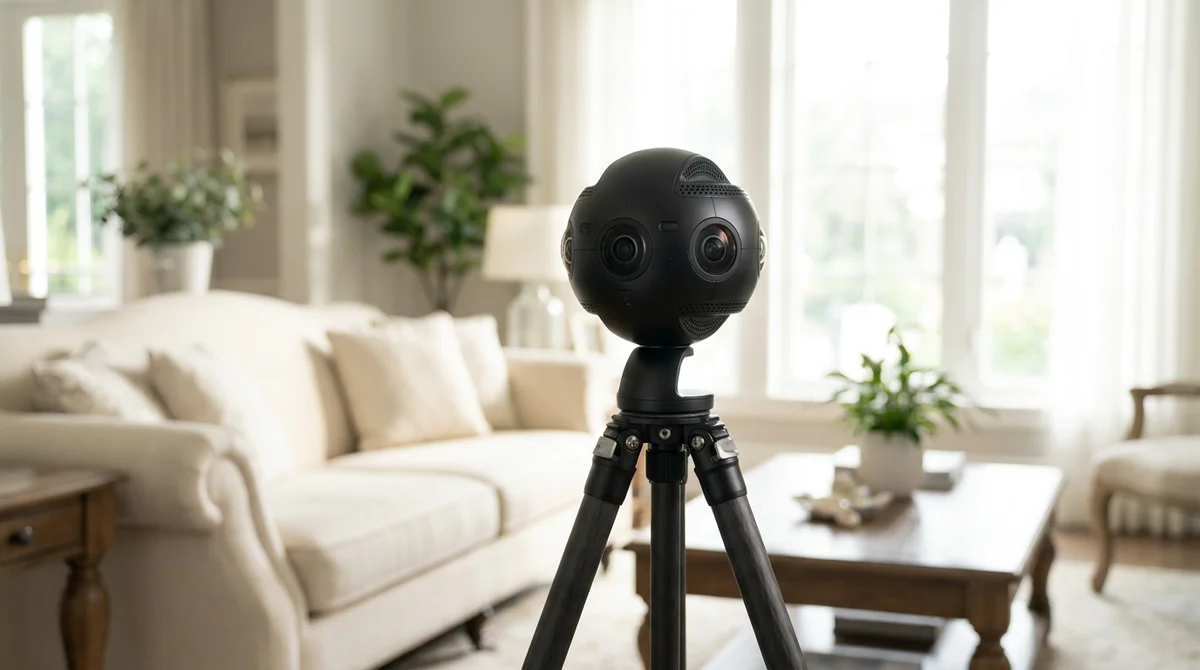
Eine 360-Grad-Tour (Matterport und ähnliche Anbieter) fügt Panorama-Aufnahmen zu einem navigierbaren digitalen Zwilling der Immobilie zusammen. Der Käufer steuert die Kamera selbst und klickt sich im eigenen Tempo von Raum zu Raum. Das kommt einem persönlichen Rundgang am nächsten und richtet sich an Käufer, die bereits Interesse haben und sich vor einer Besichtigungsanfrage selbst ein Bild machen wollen.
Ein Rundgangvideo ist ein linearer, geschnittener Clip – die Kamera bewegt sich in einer festen Abfolge durch die Immobilie, meist 60 bis 90 Sekunden lang, unterlegt mit Musik oder Sprechertext. Es ist fürs passive Anschauen gemacht: Ein Käufer, der eine Inseratsseite oder einen Newsletter durchscrollt, sieht es sich von Anfang bis Ende an, ohne selbst etwas zu steuern.
Ein Social Reel ist eine kurze, vertikale, schnell geschnittene Version desselben Materials, gedacht für den Instagram- oder TikTok-Feed statt für die Inseratsseite. Seine Aufgabe ist Reichweite, nicht Tiefe – den Scroll stoppen, den Klick auslösen.
Der Fehler vieler Makler ist, diese Formate als konkurrierende Optionen statt als Ergänzung zu behandeln. Eine virtuelle Tour gehört auf die MLS für ernsthafte Interessenten, ein Rundgangvideo gehört in E-Mails und auf die Inseratsseite für Stöberer, und ein Reel gehört ins Social-Media-Feed zur Neuentdeckung. Die eigentliche Frage ist, welches dieser Formate Sie sich realistisch leisten können, für jedes Inserat zu produzieren – nicht nur für Ihr Vorzeigeobjekt.
Kosten, Ausrüstung und Lieferzeit im Vergleich
So schneiden die drei Formate ab, wenn es um den tatsächlichen Produktionsaufwand geht.
| Format | Typische Kosten | Benötigte Ausrüstung | Lieferzeit | Erforderliches Können |
|---|---|---|---|---|
| 360-Grad-Tour (im Matterport-Stil) | 150 € bis 300 € ausgelagert, oder ab 3.000 € Hardware-Investition, wenn Sie selbst aufnehmen | Eigene 360-Grad-Kamera oder eine aufnahmezertifizierte Smartphone-App | Am selben Tag bis 48 Stunden | Mittel – Aufnahmetechnik zählt |
| Rundgangvideo (klassisch) | 300 € bis 500 € pro Inserat mit einem Videografen | Gimbal, Kamera, Licht, Schnittsoftware | 2 bis 5 Tage | Hoch – Dreh- und Schnittkönnen gefragt |
| AI-Video aus Fotos (z. B. RoomLift Compose) | In Ihrem bestehenden Foto-Workflow enthalten, kein separater Dreh | Inseratsfotos, die Sie bereits haben | Minuten | Niedrig – vorlagenbasiert |
| Social Reel (aus einem der beiden geschnitten) | Kostenlos bis günstig bei Wiederverwertung; 50 € bis 150 € bei eigenem Dreh | Smartphone, Gimbal oder Stabilisator | Minuten bis Stunden | Niedrig bis mittel |
Das Rundgangvideo ist der teure Ausreißer – nicht weil Video an sich teuer ist, sondern weil es einen Spezialisten mit Kamera vor Ort braucht. Eine 360-Grad-Tour verursacht echte Hardwarekosten, wenn Sie die Ausrüstung selbst besitzen, aber die meisten Makler lagern die Aufnahme zu einem festen Preis pro Shooting aus. AI-generiertes Video umgeht den Dreh komplett, weshalb es unterhalb der Preisschwelle, die einen Videografen für 300 € bis 500 € rechtfertigt, zum Standard wird.
Was die Interaktionsdaten wirklich zeigen
Der eindeutigste Datenpunkt betrifft Video ganz allgemein, nicht speziell Touren: Laut der vielzitierten Inman-Studie erhalten Video-Inserate 403 % mehr Anfragen als reine Fotoinserate. Das gilt unabhängig davon, ob es sich um ein vollständiges Rundgangvideo, ein kurzes Reel oder eine AI-animierte Version Ihrer vorhandenen Fotos handelt – das Format, das angesehen wird, schlägt das Format, das nur überflogen wird.
Der Kontext spielt ebenfalls eine Rolle. Die National Association of Realtors berichtet, dass inzwischen 97 % der Hauskäufer ihre Suche online beginnen – der erste Eindruck Ihres Inserats entsteht also fast immer auf einem Bildschirm, nicht in der Einfahrt. Ein Fotoraster verlangt vom Käufer, sich den Raum vorzustellen; Video und interaktive Touren zeigen ihn in Bewegung, was für jemanden, der an einem Dutzend anderer Inserate vorbeiscrollt, deutlich weniger gedankliche Anstrengung bedeutet.
Die beiden Premium-Formate unterscheiden sich in der Absicht, nicht in der reinen Interaktion. Eine 360-Grad-Tour hält ein selbst ausgewähltes, bereits weiter fortgeschrittenes Publikum länger, denn das Navigieren erfordert bewusste Anstrengung – niemand klickt sich aus Versehen durch ein Dutzend Räume einer Matterport-Tour. Ein Rundgangvideo oder Reel erreicht passiv ein deutlich breiteres Publikum, darunter auch Menschen, die noch gar nicht aktiv auf Haussuche waren, bis Ihr Inserat ihren Scroll gestoppt hat. Für die Qualifizierung ernsthafter Käufer setzen Sie auf die Tour. Für den ersten Kontakt überall setzen Sie auf Video.
Unterstützt die MLS diese Formate wirklich?
Hier stolpern viele Makler, weil die MLS-Unterstützung deutlich von der bei Fotos abweicht.
Die meisten MLS-Systeme haben ein eigenes Feld für die URL der virtuellen Tour, das speziell für Matterport-artige 360-Grad-Links gedacht ist – genau auf dieses Format ist die MLS ausgelegt, und es erscheint als klickbares Tour-Badge im öffentlichen Inserat. Rundgangvideos bekommen meist kein eigenes Upload-Feld; Sie hosten den Clip auf YouTube oder Vimeo und hinterlegen den Link im selben Feld oder in den Maklerbemerkungen. Reels und TikTok-Clips gehören überhaupt nicht zum MLS-Datensatz – reines Marketing außerhalb der Plattform, weshalb sie niemals Ihr einziges Video-Asset sein sollten.
| Format | Unterstützung im MLS-Datensatz | Übliches Hosting | Beste Käuferabsicht |
|---|---|---|---|
| 360-Grad-Tour | Natives Tour-URL-Feld bei den meisten MLS-Plattformen | Matterport oder ähnliche Anbieter | Ernsthafte, selbstständig navigierende Käufer |
| Rundgangvideo | Kein natives Feld; verlinkt über dasselbe Feld oder die Bemerkungen | YouTube / Vimeo | Passive Stöberer auf Inseratsseiten |
| Social Reel | Nicht Teil des MLS-Datensatzes | Instagram / TikTok | Neuentdeckung und erster Kontakt |
Dieselbe Logik, die die Foto-Konformität in unserem Leitfaden zu MLS-Foto-Anforderungen regelt, gilt auch hier – prüfen Sie Ihre lokalen Regeln, bevor Sie davon ausgehen, dass ein Format wie erwartet angezeigt wird.
Wann welches Format wirklich gewinnt
Es gibt kein Format, das für jedes Inserat richtig ist. Passen Sie das Werkzeug an Preisklasse und Zeitplan an.
- Eine 360-Grad-Tour gewinnt bei Luxusinseraten (ab 750.000 €), bei auswärtigen Käufern oder Umzugsinteressenten, die keine Besichtigung wahrnehmen können, und bei Immobilien, deren Wohnfläche oder Grundriss ein echtes Verkaufsargument ist.
- Ein Rundgangvideo gewinnt bei bezugsfertigen Inseraten in umkämpften Preisklassen, in denen Sie als Full-Service-Anbieter wirken müssen, und bei Immobilien, bei denen Stimmung und Licht mehr zählen als die präzise Grundrissdarstellung.
- Ein Reel gewinnt, wann immer Sie auf Social Media schnell reagieren wollen – neue Inserate, Preissenkungen, Tage der offenen Tür –, wo es darum geht, den Scroll zu stoppen, nicht die komplette Tour zu liefern.
- AI-Video aus Fotos gewinnt, wenn das Inserat keinen Videografen rechtfertigt, Sie aber mehr als statische Fotos wollen – was auf den Großteil Ihrer Pipeline zutrifft.
Die Makler, die wie ein Full-Service-Anbieter wirken, sind nicht die, die sich eine Matterport-Kamera gekauft haben. Es sind diejenigen, bei denen jedes Inserat – nicht nur die über 750.000 € – irgendeine Form von bewegtem Content enthält.
Die Matterport-Preisrealität – und günstigere Alternativen
Die Kosten von Matterport bestehen aus drei Schichten, von denen Makler oft nur eine einplanen: die Aufnahme-Hardware (eine professionelle 360-Grad-Kamera kostet meist mehrere Tausend Euro, weshalb sich die meisten Makler nie eine zulegen), ein Abo, das Funktionen und die Anzahl gehosteter Touren hinter monatlichen Stufen versteckt, und Hosting-Gebühren, sobald Sie bei größeren oder hochauflösenderen Immobilien die Grenzen Ihres Plans überschreiten. Zusammengenommen wird klar, warum die meisten Einzelmakler und kleinen Teams die Aufnahme lieber zu einem festen Preis pro Shooting an einen lokalen Spezialisten auslagern, statt die gesamte Kette selbst zu besitzen.
Das macht eine 360-Grad-Tour für das passende Inserat nicht zu einer schlechten Investition – es ist eine Entscheidung pro Inserat, abhängig von der Preisklasse, wie bei Drohnenfotos, keine pauschale Regel.
Es gibt echte Alternativen, ganz ohne vollen Matterport-Vertrag:
- Smartphone-basierte 3D-Scan-Apps, darunter Zillows kostenlose 3D-Home-App, erzeugen eine navigierbare Tour mit nichts als einem Smartphone. Die Qualität reicht für Standardinserate völlig aus, kann aber bei sehr großen Immobilien hinter zweckgebundener Hardware zurückbleiben.
- Ausgelagerte lokale Aufnahme verlagert die Hardwarekosten auf einen spezialisierten Fotografen und verwandelt eine feste Ausrüstungsinvestition in eine variable Gebühr pro Inserat, näher an dem, was Sie ohnehin schon für Fotografie zahlen.
- AI-generiertes Video aus vorhandenen Fotos überspringt die räumliche Aufnahme komplett und tauscht eine navigierbare Tour gegen ein poliertes Rundgangvideo – und deckt damit die Formate Rundgangvideo und Reel ab, selbst wenn eine vollständige Tour nicht im Budget ist.
Diese letzte Option ist die eigentliche Matterport-Alternative für den Großteil Ihrer Pipeline: keine günstigere Tour, sondern ein anderes Format, das Ihnen bei jedem Inserat bewegten Content verschafft, ganz ohne Aufnahmetermin.
AI-Video aus Fotos: der pragmatische Mittelweg
Für Inserate, bei denen sich ein Videograf nicht lohnt und ein Matterport-Vertrag Overkill wäre, ist der praktikable Mittelweg, aus vorhandenen Fotos Video zu machen. Genau das macht RoomLifts Compose: ein browserbasiertes Objekt-Video-Tool, das Fotos und Details direkt aus einer Inserats-URL importiert und dann mit AI-Kamerabewegung Standbilder in flüssige Videoeinstellungen verwandelt – inklusive Nahaufnahmen, die aus einem einzigen Foto generiert werden. Ein Timeline-Editor und Presets (etwa ein Standard-Objekt-Tour-Preset) setzen die Clips zusammen, AI-Voiceover und passend generierte Hintergrundmusik runden den Ton ab, und Sie exportieren im jeweils benötigten Seitenverhältnis: 16:9 für MLS und YouTube, 9:16 für Reels und TikTok oder 1:1 und 4:5 für andere Kanäle.
Das ersetzt keine räumliche 360-Grad-Tour bei einem Luxusinserat. Aber für die Rundgangvideo- und Reel-Ebene Ihres Stacks dauert es Minuten statt Tage und kostet einen Bruchteil eines klassischen Videografen-Drehs – machbar für jedes Inserat, nicht nur für jene, die ein paar Hundert Euro Produktionskosten verkraften. Für das größere Bild, wo Video in Ihr Marketing passt, lesen Sie unseren Leitfaden zu Immobilienvideo-Marketing.
Verwandeln Sie Ihre Inseratsfotos mit RoomLift Compose in Minuten in ein poliertes Rundgangvideo.
Stage your first room in 20 seconds. No design skills needed.
Den richtigen Stack für Ihre Inserate aufbauen
Die Makler, die durchgehend wie ein Full-Service-Anbieter wirken, geben nicht zwangsläufig am meisten aus – sie passen das Format an das Inserat an, statt überall dasselbe Werkzeug zu verwenden. Ein realistischer Standard-Stack: gut bearbeitete, MLS-konforme Fotos bei jedem Inserat (siehe unseren Leitfaden zur AI-Fotobearbeitung für Immobilien, falls dieser Schritt noch Ihre Abende frisst), ein AI-generiertes Rundgangvideo bei jedem Inserat, da die Grenzkosten gegen null gehen, sobald die Fotos vorliegen, eine 360-Grad-Tour reserviert für Inserate, bei denen Preisklasse oder Grundriss sie rechtfertigen, und Reels, geschnitten aus welchem Video-Asset Sie ohnehin schon erstellt haben. Für das breitere Werkzeug-Set, das das ohne zusätzliches Personal realistisch macht, lesen Sie unsere Übersicht der besten AI-Tools für Immobilienmakler.
Das ist eine ehrlichere Antwort auf die Frage „was verkauft schneller" als die Suche nach einem einzigen Gewinner: Das Format, das tatsächlich produziert und veröffentlicht wird, schlägt das Format, das Sie irgendwann noch angehen wollten.
Häufig gestellte Fragen
Verkaufen virtuelle Touren Häuser schneller als Rundgangvideos?
Keines der beiden Formate gewinnt eindeutig – sie bedienen unterschiedliche Momente der Käuferreise. Eine 360-Grad-Tour passt zu ernsthaften Käufern, die sich selbstständig und gründlich durch die Immobilie klicken, während ein Rundgangvideo mehr Aufmerksamkeit am oberen Ende des Trichters erzeugt. Laut Inman erhalten Video-Inserate 403 % mehr Anfragen als reine Fotoinserate – damit ist Video das stärkere Format für den ersten Kontakt.
Was kostet eine Matterport-Tour?
Die Preise für Matterport bestehen aus drei Schichten: der Aufnahme-Hardware (eine eigene 360-Grad-Kamera kostet meist mehrere Tausend Euro, während die Aufnahme per Smartphone kostenlos ist), einem monatlichen Abo, das aktive Touren freischaltet, und Hosting-Gebühren, sobald Sie die kostenlose Stufe überschreiten. Viele Makler lagern die Aufnahme lieber an einen lokalen Fotografen aus – für 150 € bis 300 € pro Shooting – statt selbst Hardware zu kaufen.
Was ist eine gute, günstigere Matterport-Alternative?
Smartphone-basierte 360-Grad-Apps, darunter Zillows kostenlose 3D-Home-App, scannen eine Immobilie allein mit dem Smartphone. Wer statt einer räumlichen Tour lieber ein Video möchte, verwandelt Inseratsfotos mit AI-Tools wie RoomLifts Compose in Minuten in ein poliertes Rundgangvideo – ganz ohne Aufnahmetermin und ohne Hardware.
Unterstützt die MLS virtuelle Touren und Rundgangvideos?
Die meisten MLS-Systeme haben ein eigenes Feld für die URL der virtuellen Tour, das für Matterport-artige 360-Grad-Links gedacht ist. Für Rundgangvideos gibt es meist kein eigenes Upload-Feld – Sie hosten den Clip auf YouTube oder Vimeo und hinterlegen den Link in demselben Feld oder in den Bemerkungen. Reels und TikTok-Clips laufen komplett außerhalb der MLS als eigenständiger Marketing-Content.
Reichen Instagram Reels allein, um ein Inserat zu vermarkten?
Nein. Reels bringen Reichweite und Profilwachstum in den sozialen Netzwerken, gehören aber nicht zum MLS-Datensatz, und die meisten Betrachter gelangen nie zum eigentlichen Inserat. Am besten funktionieren sie als eine Ebene in einem Stack, der auch MLS-Fotos sowie eine Tour oder ein Rundgangvideo enthält, das Käufer finden, sobald sie handlungsbereit sind.
Kann AI aus reinen Inseratsfotos eine Video-Tour erstellen?
Ja. Tools wie RoomLifts Compose importieren Fotos direkt aus einer Inserats-URL, animieren sie zu sanften Kamerabewegungen und setzen daraus in Minuten statt Tagen eine fertige Objekt-Tour mit AI-Voiceover und Hintergrundmusik zusammen. Das ersetzt keine räumliche 360-Grad-Tour, deckt aber die Formate Rundgangvideo und Reel ab, ganz ohne einen Videografen zu buchen.
Bereit, Ihre Anzeigen zu transformieren?
Richten Sie Ihren ersten Raum ein in 20 Sekunden. Keine Designkenntnisse nötig.