
RoomLift Logo

Japandi Bedroom Design

AI-Powered Design Visualization

Upload a photo of your bedroom and transform it into stunning Japandi design in under 60 seconds.

Start designing now

No credit card required. 10 free renders.

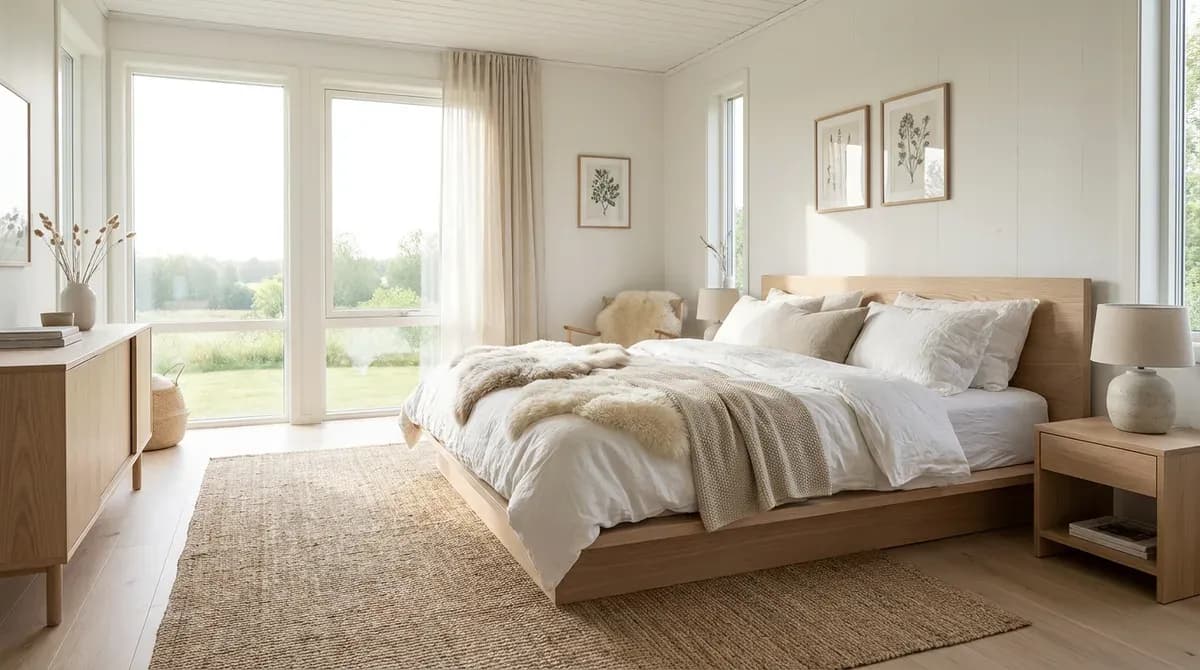
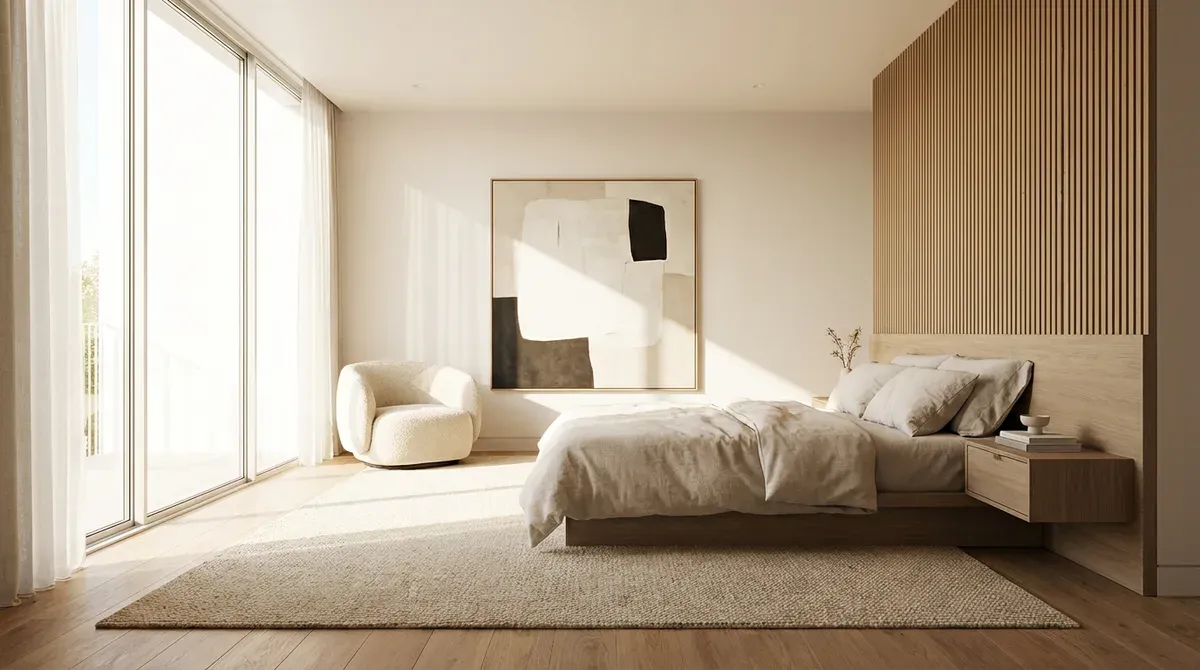
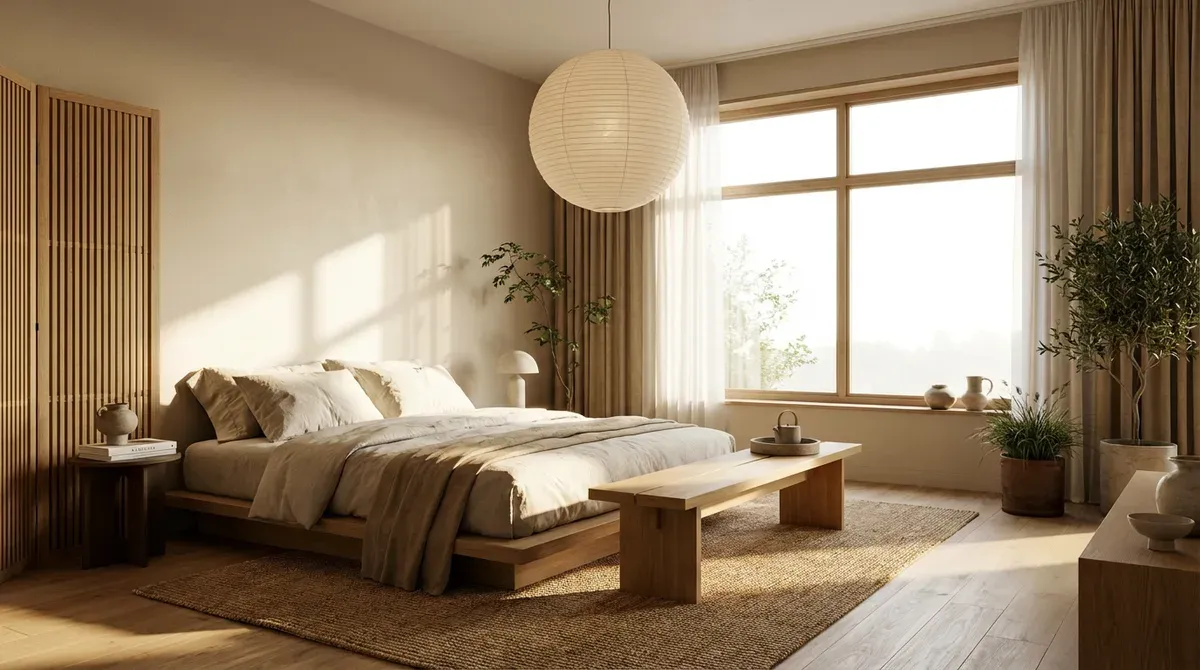
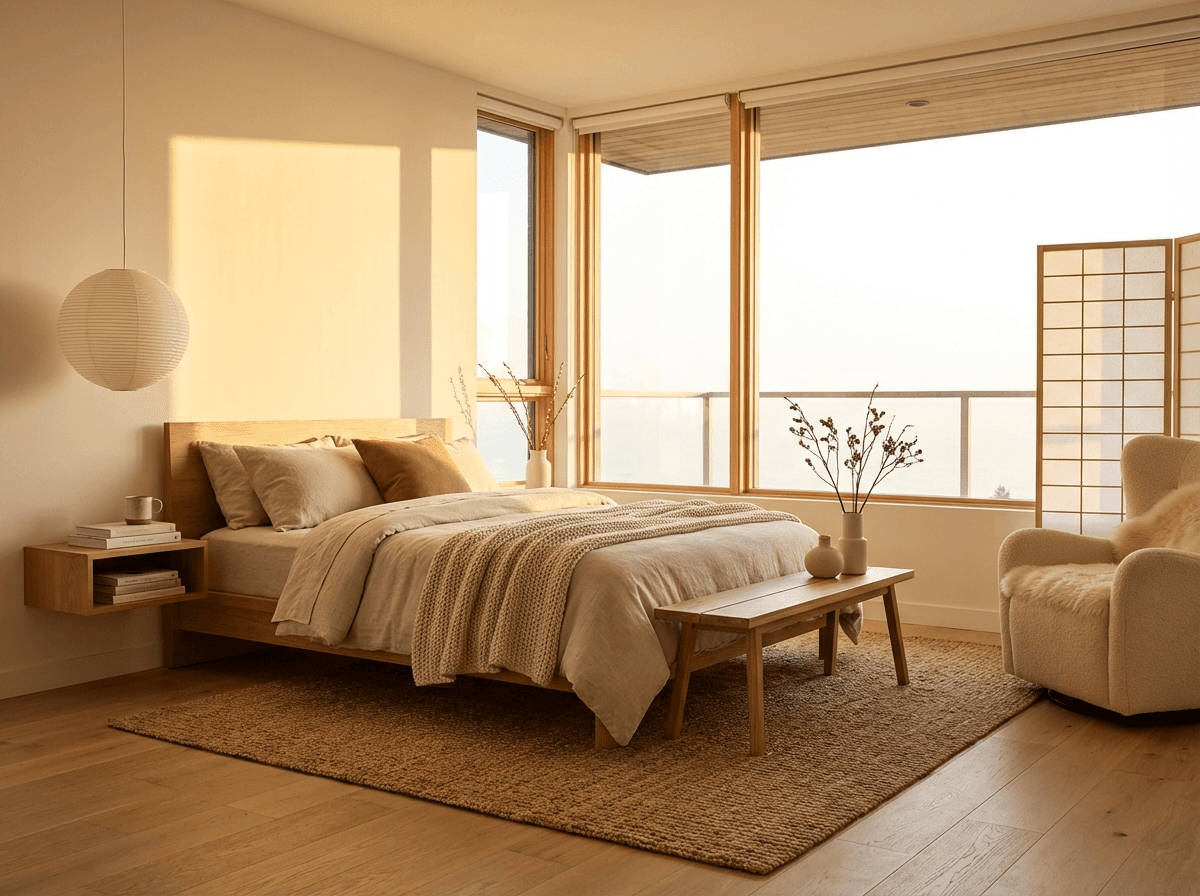
Japandi Bedroom design visualization

Color Palette

The essential colors of Japandi bedroom design

Warm Parchment
Charred Wood
Toasted Oak
Unbleached Cotton
Driftwood
Dried Linen

Design Tips

Expert recommendations for your Japandi bedroom

Select a low, solid-wood bed frame

Select a low, solid-wood bed frame

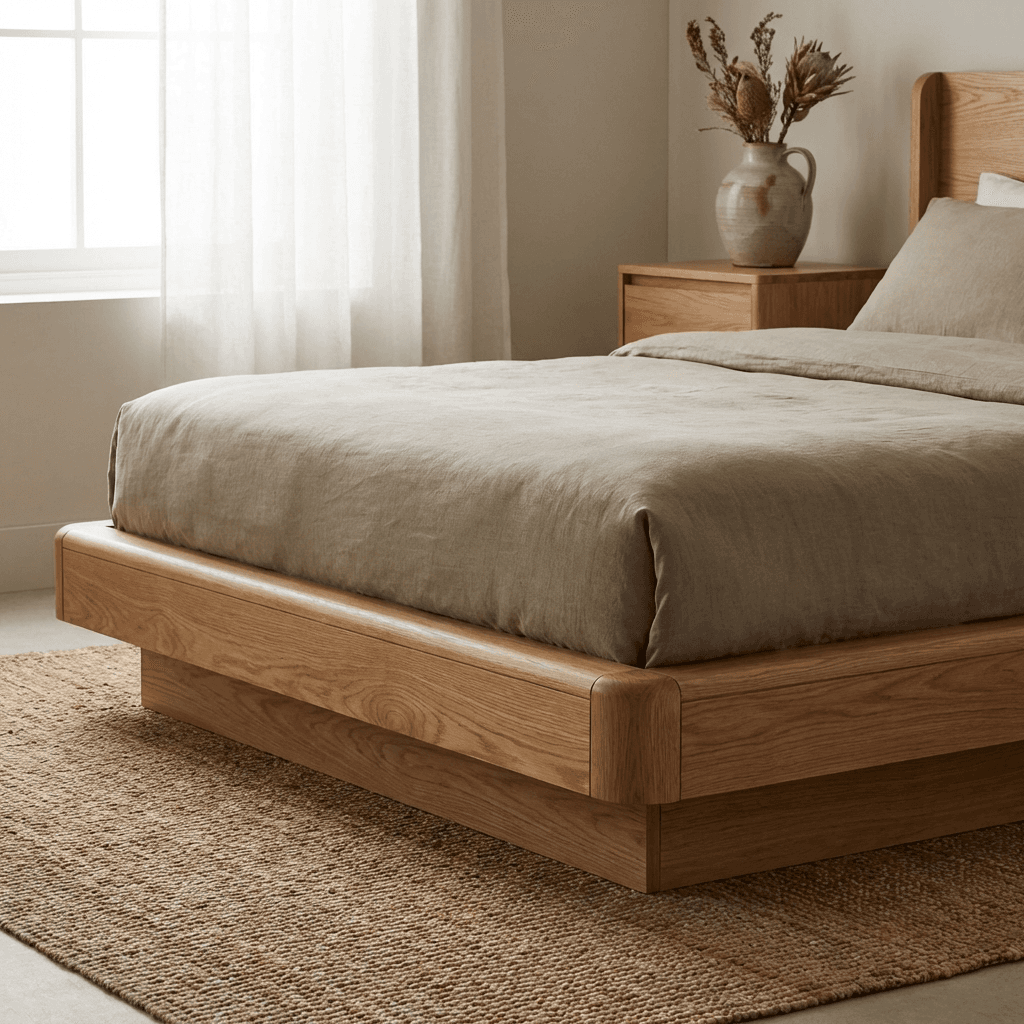
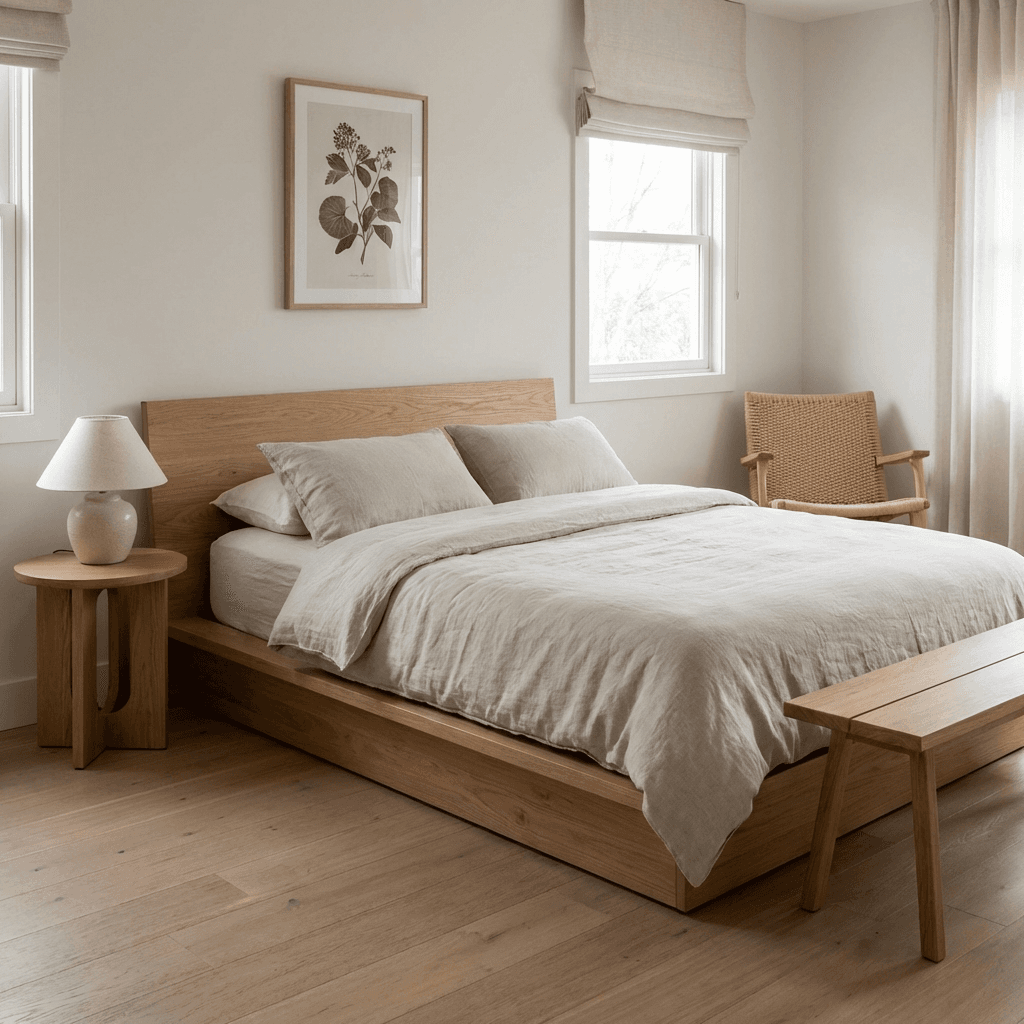
A platform bed that sits 25-35 cm off the floor draws from the Japanese futon tradition while retaining Scandinavian craftsmanship. Choose a frame in light ash or walnut with visible joinery — the bed should look like it was built by a carpenter, not assembled from a box.

Use linen bedding in undyed tones

Use linen bedding in undyed tones

Washed linen in oatmeal, soft clay, or warm gray is the quintessential Japandi textile. Layer a flat sheet, a lightweight blanket, and a single textured throw at the foot. Skip bold patterns — the gentle creases of linen provide all the visual interest the bed needs.

Create asymmetry on the nightstands

Create asymmetry on the nightstands

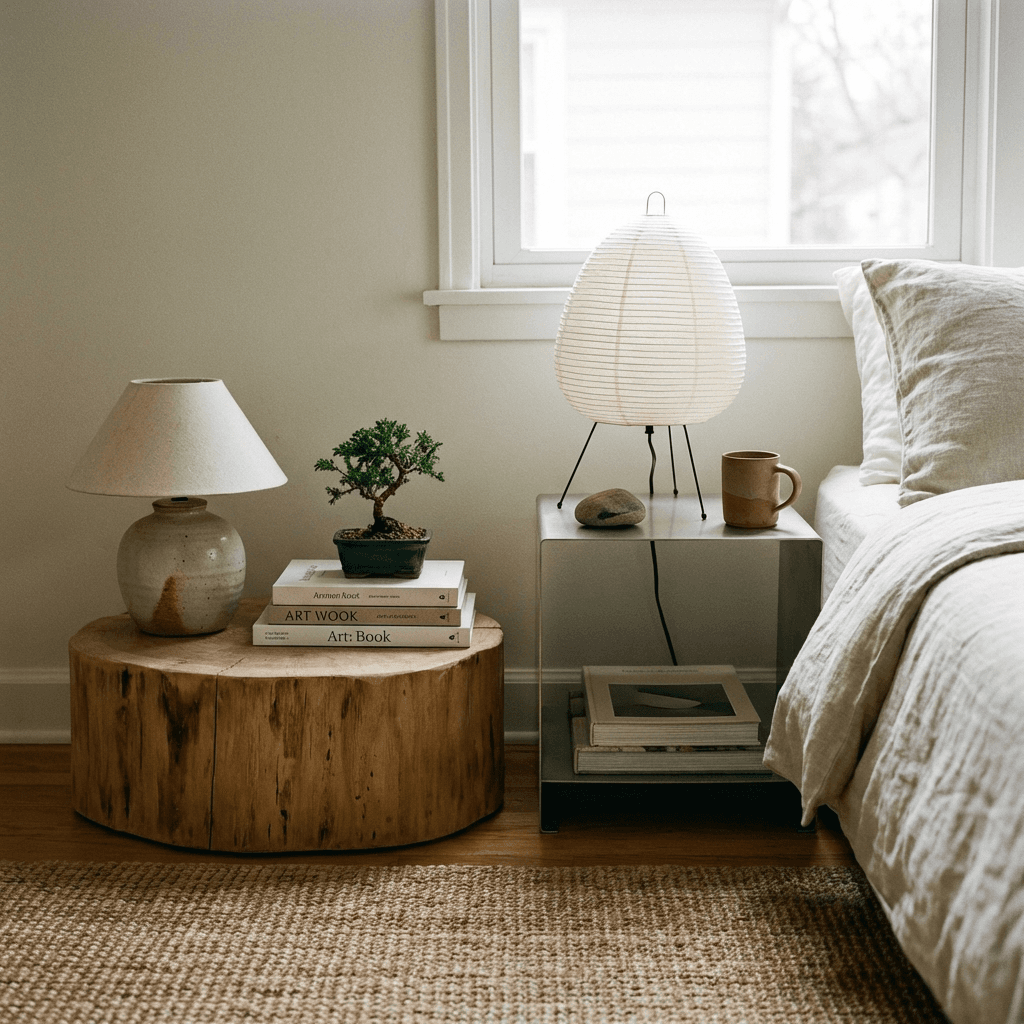
Rather than matching lamps and tables on each side, mix a low wooden stool on one side with a slim wall-mounted shelf on the other. Asymmetry is a core wabi-sabi principle and gives the bedroom an unforced, personal feel.

Limit bedroom furniture to five pieces or fewer

Limit bedroom furniture to five pieces or fewer

Bed, one or two nightstands, a single dresser or clothing rack, and perhaps a reading chair. Japandi bedrooms use negative space as a design element — the empty area around each piece of furniture is what makes the room feel restful.

Furniture Recommendations

Key pieces for the perfect Japandi bedroom

Low ash platform bed

Low ash platform bed

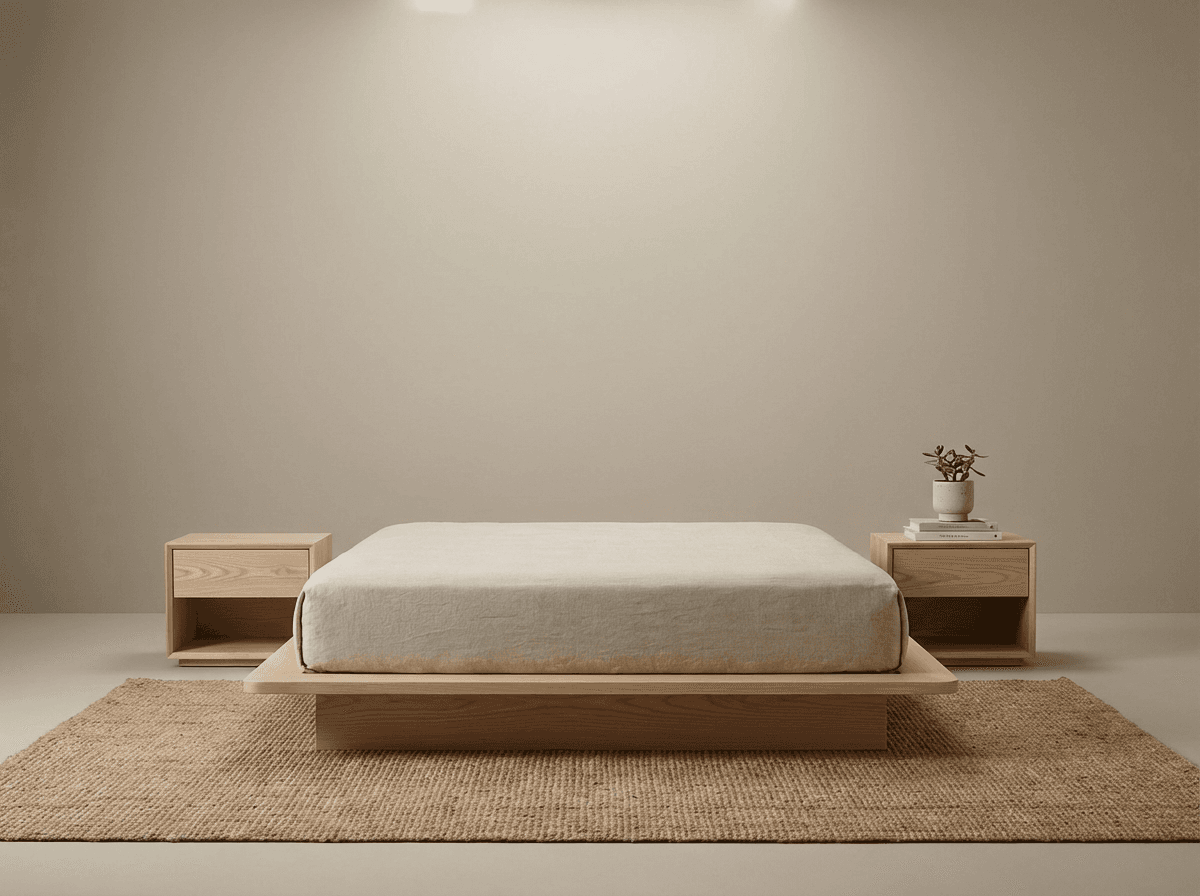
A slatted platform bed in pale ash with a minimal headboard panel, no footboard. The frame hovers just above the floor, creating a grounded sleeping position that is central to Japandi bedroom philosophy.

Wabi-sabi wooden stool nightstand

Wabi-sabi wooden stool nightstand

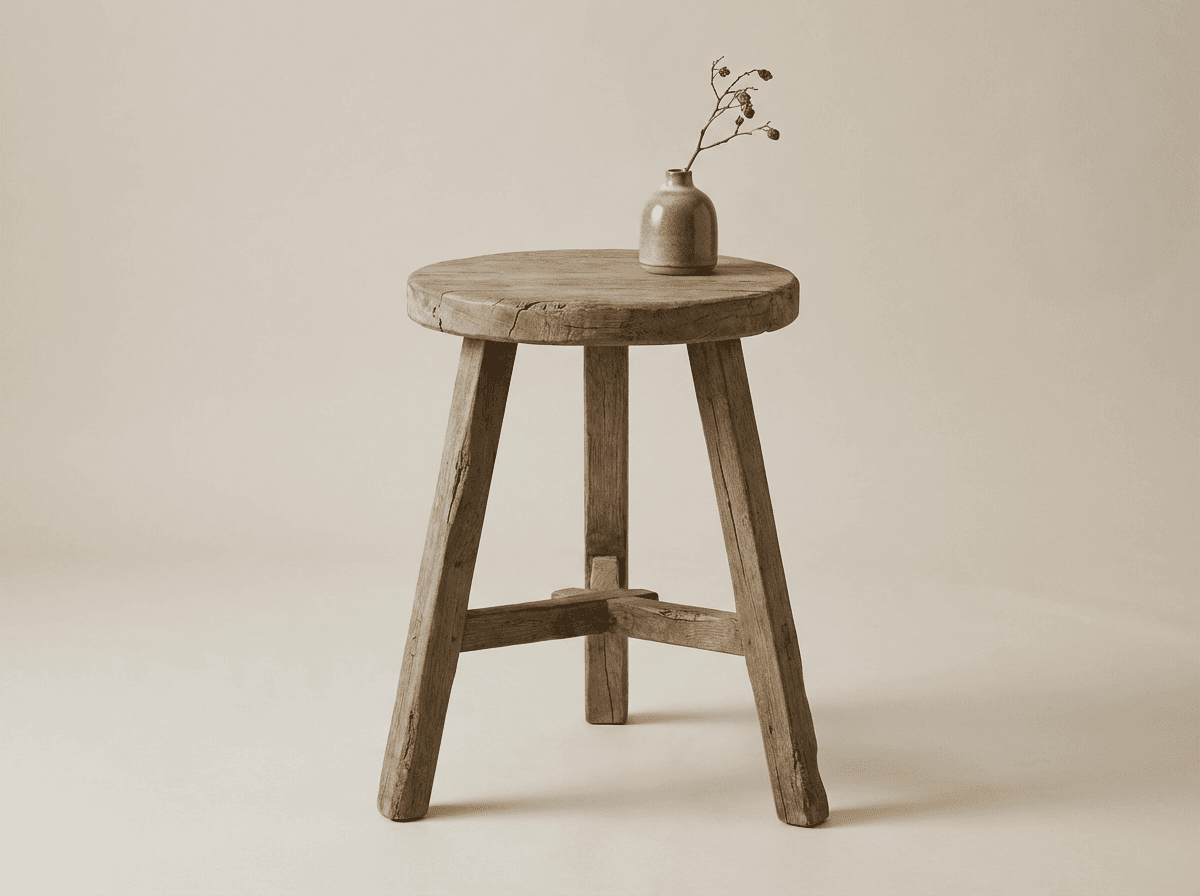
A turned or carved stool in reclaimed wood, used as a nightstand. Its organic shape and visible wood grain offer the imperfect beauty that Japandi prizes — far more characterful than a mass-produced bedside table.

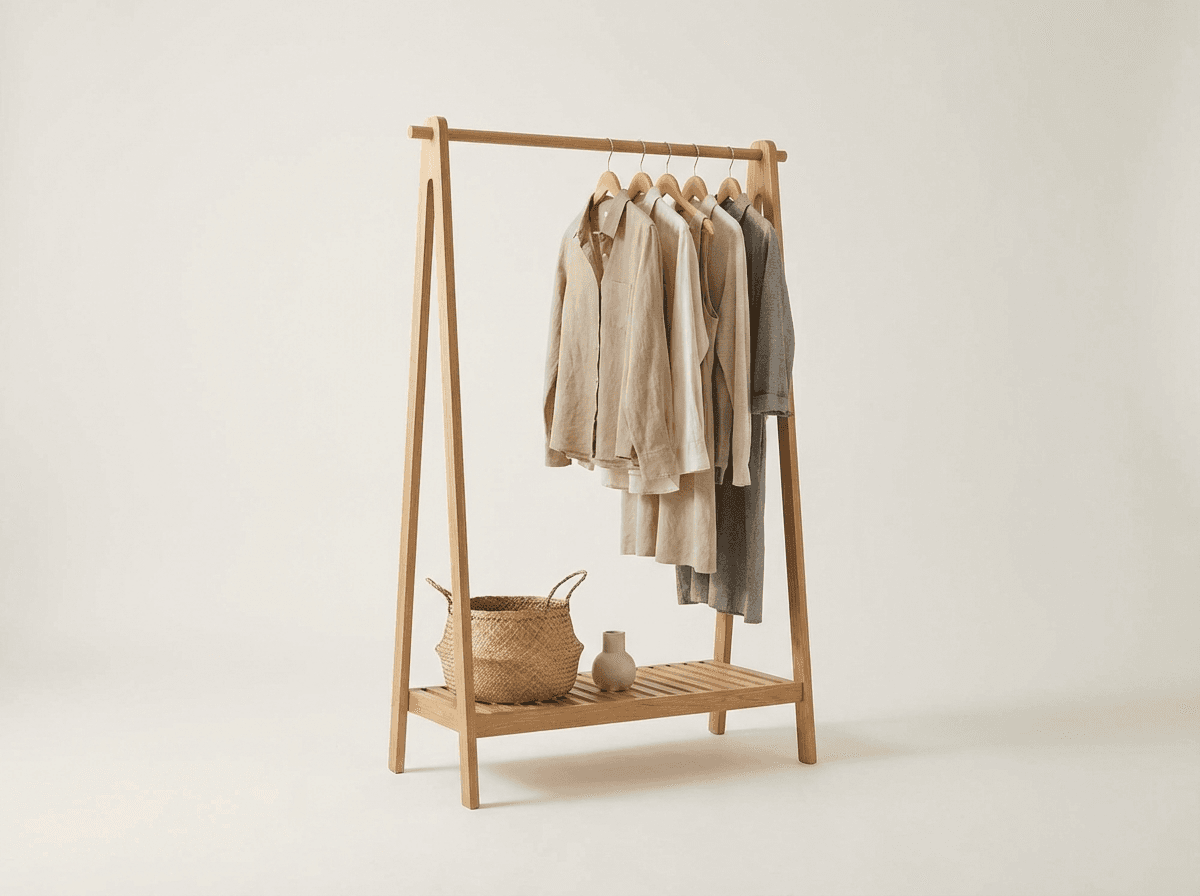
Open wooden clothing rack

Open wooden clothing rack

A simple A-frame or rail-style rack in oak or bamboo for displaying a curated capsule wardrobe. It replaces the bulk of a full wardrobe and encourages owning fewer, better garments — a lifestyle principle at the heart of both Japanese and Scandinavian design.

Japandi Bedroom interior inspiration
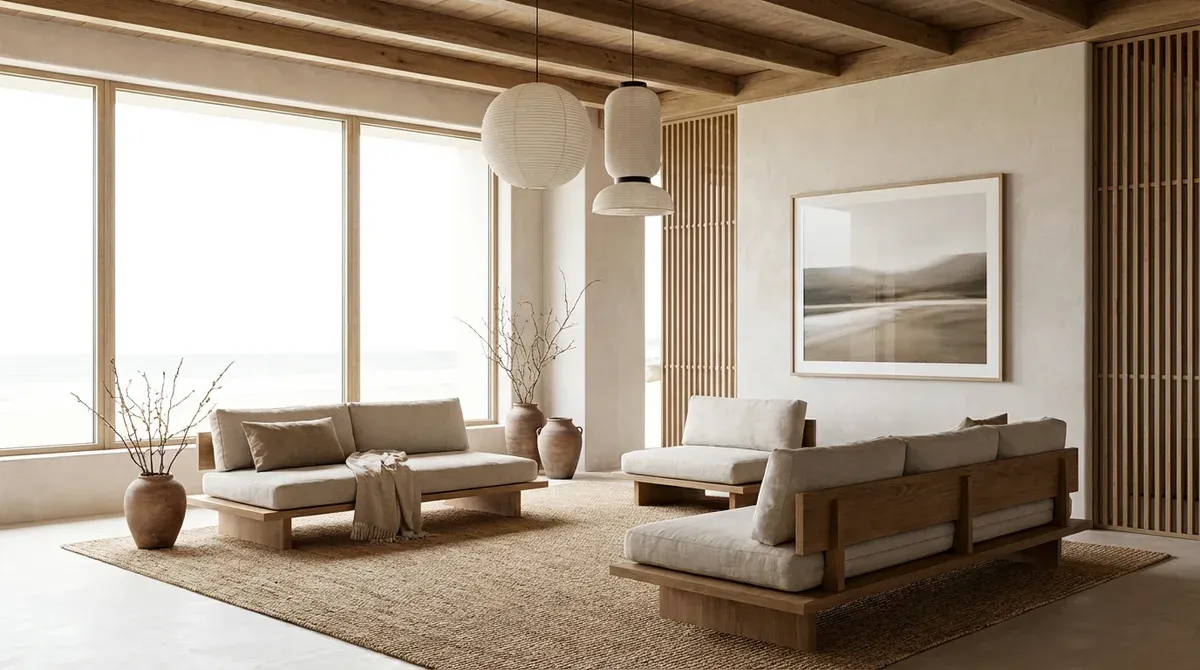
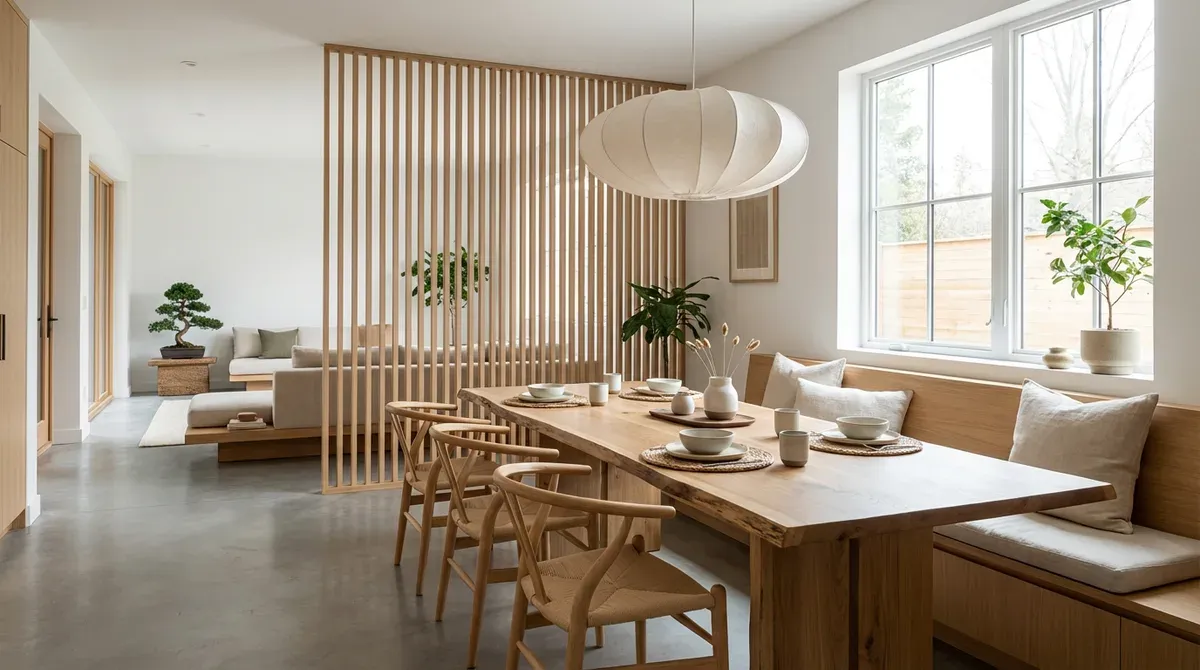
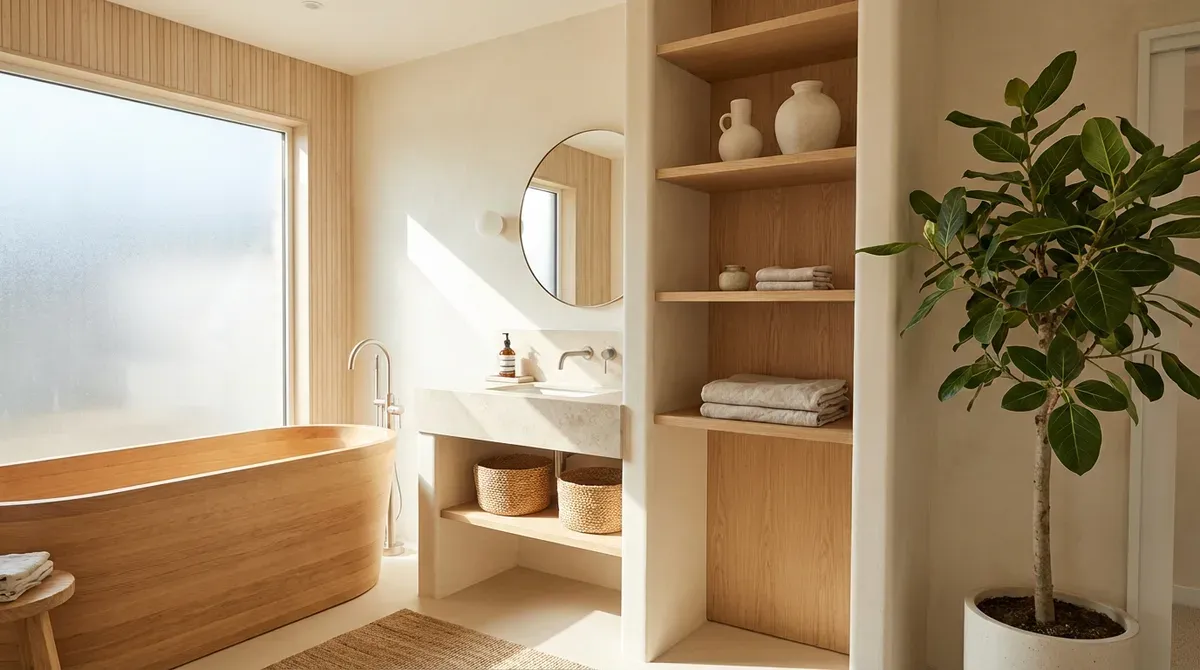
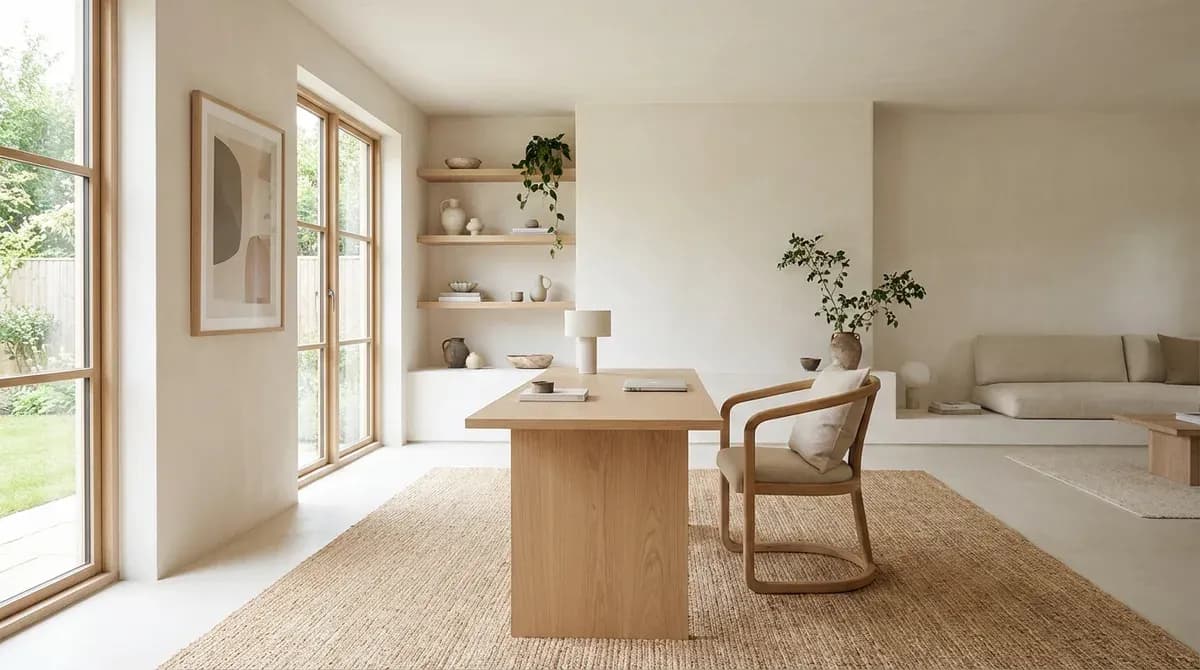
The Japandi bedroom exists to serve one purpose: deep, restorative rest. Where other styles might dress a bedroom with layers of pillows and decorative throws, Japandi strips the room to its emotional essentials — a beautiful bed, warm light, and silence. The palette is drawn from raw materials: the sandy tone of undyed linen, the umber of walnut, the soft gray of river stones. The bed itself is the architectural anchor. A low platform frame in solid wood, dressed in washed linen that looks better the more it is used, communicates both the Scandinavian love of craft and the Japanese respect for simplicity. Nightstands are deliberately mismatched — perhaps a turned wooden stool on one side and a floating shelf on the other — because perfect symmetry feels staged rather than lived-in. What makes a Japandi bedroom truly work is restraint. The dresser holds what you need; the clothing rack displays what you love; the windowsill is bare except for a single ceramic vessel. The room breathes, and so do you.

This Room in Every Style

Explore more design styles for your bedroom

More Japandi Rooms

See Japandi design in other rooms

Frequently Asked Questions

Alles wat je moet weten over RoomLift — voor ontwerpers, makelaars en iedereen die ruimtes transformeert met AI.

How do I design a Japandi bedroom for better sleep?
Keep the room sparse and the palette muted — visual calm promotes mental calm. Use blackout curtains in a natural linen that blend with the walls, remove screens and electronics, and ensure the only light sources are warm-toned bedside lamps. A cool, uncluttered room is scientifically linked to better sleep quality.
What bedding colors suit a Japandi bedroom?
Undyed and earth-toned linens: oatmeal, sand, soft clay, warm gray, and muted charcoal. Avoid bright white — it reads too crisp for the organic Japandi feel. Layer two or three tones from the same family for depth without visual noise.
Can I use wallpaper in a Japandi bedroom?
Sparingly. A subtle textured wallpaper — grasscloth, raw linen, or a hand-brushed plaster effect — can add depth to a single accent wall behind the bed. Avoid bold patterns or metallic finishes; the wallpaper should feel like an extension of the natural material palette, not a focal point.
How do I add storage to a Japandi bedroom without clutter?
Opt for a low dresser with clean lines and wooden drawer fronts, or built-in closets with flush panel doors that disappear into the wall. Under-bed storage drawers are ideal. The key is that storage should be invisible when closed and organized when open.
What lighting works best in a Japandi bedroom?
Paper lantern pendants (inspired by Noguchi lamps), slim wooden wall sconces, and ceramic table lamps with linen shades. Avoid chrome or polished metal. All bulbs should be 2700 K warm white. A single pendant and two bedside lights is the perfect three-point arrangement.
Begin gratis met ontwerpen

No credit card required. 10 free renders.